In the construction industry, construction equipment isn’t just a tool—it’s a significant investment that plays a crucial role in project success. Managing assets properly can mean the difference between profitability and unnecessary expenses.
When maintenance is overlooked, the consequences can be severe. Unscheduled breakdowns lead to unplanned expenses, project delays, and safety risks. Studies show that reactive maintenance can be three to five times more expensive than a planned maintenance strategy. Emergency repairs, lost productivity, and even higher insurance premiums because of equipment-related accidents all contribute to ballooning costs.
Beyond immediate expenses, poorly maintained equipment depreciates faster, requiring early replacements and higher capital expenditure over time. Contractors who ignore maintenance often face problems: machines can break down when people need them most, leading to costly solutions like renting replacement equipment.
A proactive approach to equipment maintenance helps machines last longer, reduces costly downtime, and boosts project efficiency—improving return on investment (ROI). But with all that contractors are juggling, how can they shift to a proactive strategy? This is where construction equipment maintenance software comes in.
A Proactive Approach to Equipment Maintenance
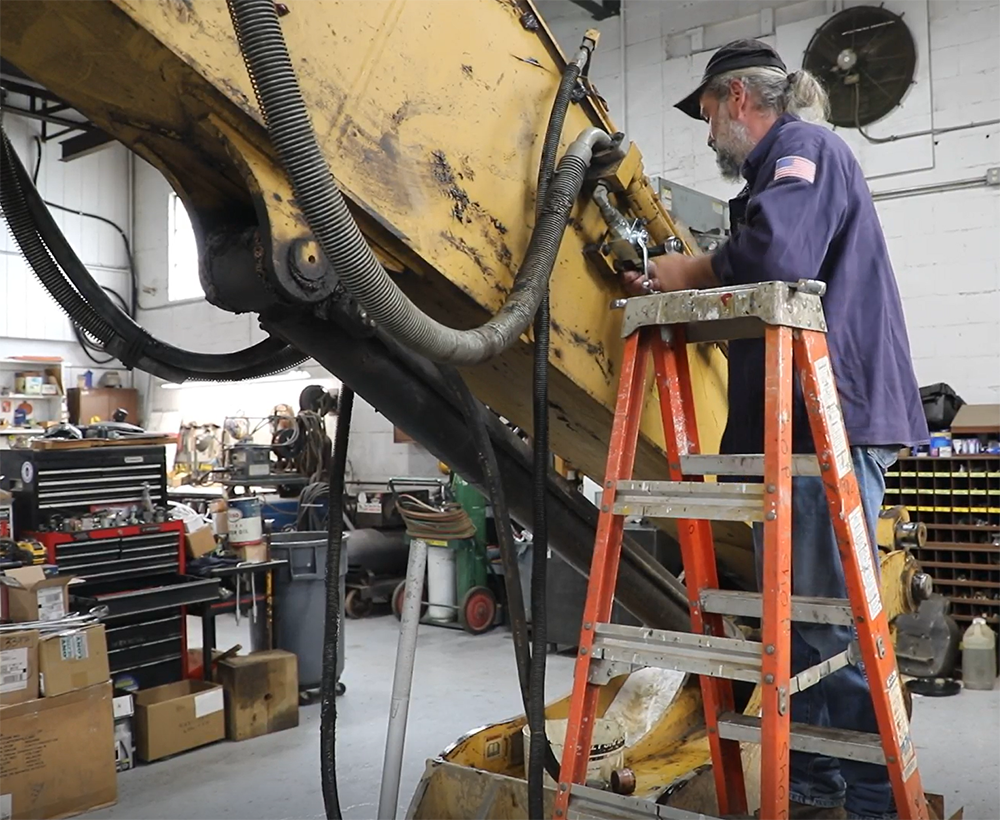
Rather than waiting for breakdowns, smart contractors implement proactive maintenance strategies to preserve their investment using construction equipment maintenance software. A well-structured equipment maintenance program should include:
- Preventive Maintenance: Scheduled inspections, oil changes, filter replacements, and component checks to prevent minor issues from becoming major failures.
- Predictive Maintenance: Sensor data to monitor wear in real time and predict service needs before failures occur.
- Routine Inspections: Daily and weekly operator checks to identify and report issues early.
- Work Order Tracking: Clear workflows for managing requests and tracking completed repairs to ensure accountability.
- Mechanic Time Tracking: Accurate labor tracking to understand how mechanic time contributes to total maintenance costs.
- Parts Inventory Management: Efficient parts tracking across locations so teams can request and complete repairs quickly and correctly.
- Cost Code Tracking: Align cost codes with ERP/accounting systems to gain a complete view of project-attributed costs.
Leveraging Technology for Smarter Maintenance Management
Modern construction firms increasingly turn to digital solutions to manage maintenance efficiently. Equipment tracking and maintenance software provides real-time visibility into equipment condition, upcoming service needs, and historical records.
Interested in learning what other maintenance challenges can be solved with technology?
Features like automated maintenance alerts, mechanic work order tracking, and telematics integration improve operations. Construction equipment maintenance software should include:
 Automated Maintenance Scheduling: Reduce human error and missed intervals by automating tasks—lowering the risk of unexpected breakdowns and project delays.
 Real-Time Equipment Health Monitoring: See wear patterns and performance to make data-driven decisions. Cloud-based access keeps teams informed on the move.
 Centralized Record-Keeping: Maintain compliant, searchable records and track reliability trends in one place.
 Comprehensive Reporting Tools: Use analytics to understand performance by asset type, jobsite, parts requests, and more.
 Mobile Access: Enable field teams to update and retrieve information quickly with real-time data sharing.
Case Study: Severino Trucking

Severino Trucking, a civil construction contractor focused on highway and site development, struggled to track and manage its fleet across multiple jobsites. By implementing Tenna’s asset tracking and maintenance management system, they:
- Recovered Lost Equipment: Located $40,000 worth of equipment that was previously unaccounted for.
- Reduced Rental Costs: Saved $25,000 annually by improving fleet utilization and reducing unnecessary rentals.
- Improved Decision-Making: Real-time data enabled better resource allocation and fleet efficiency.
Tenna helped Severino streamline maintenance, reduce downtime, and save money—directly impacting the bottom line.
Why Implementing Construction Equipment Maintenance Software Matters
Many contractors assume repairs are just a cost of doing business—but that’s not the case. An equipment maintenance software can positively impact your business by helping you:
- Lower Repair Costs: Find wear and tear early through inspections and telematics, preventing major failures and expensive repairs.
- Extend Equipment Lifespan: Follow manufacturer recommendations and automate preventive schedules to keep machines in top condition.
- Minimize Downtime: Proactive maintenance keeps machines operational and projects on schedule.
- Improve Safety & Compliance: Reduce hazards with well-maintained equipment and keep compliance up to date via an equipment management system.
- Increase Resale Value: Detailed digital records support higher resale prices.
The Long-Term Financial Benefits of Equipment Maintenance
Investing in maintenance software isn’t just about staying on schedule and avoiding breakdowns—it’s about financial sustainability and long-term profitability.
- Increase Asset Productivity: Keep projects on schedule and labor costs controlled.
- Reduce Total Cost of Ownership: Preventive maintenance lowers emergency repair spend and extends asset life.
- Enhance Resale Value: Well-maintained machinery commands higher prices.
- Boost Jobsite Efficiency: Fewer breakdowns mean less wasted time and higher profitability.
Other Considerations When Choosing a Technology Provider

For contractors focused on long-term ROI, selecting the right construction equipment maintenance software requires careful evaluation. Consider the following:
-
- Identify your specific needs and challenges.
- Assess the software’s scalability as your business grows.
- Prioritize a user-friendly interface to drive employee adoption.
- Confirm the provider offers ongoing support and training.
- Evaluate integration capabilities with your existing construction tech stack.
In a competitive industry where margins matter, smart maintenance decisions can be the key to sustained profitability. Companies that manage their equipment maintenance with technology today will lead in efficiency and success in the future.