Updated June 25, 2026
Every contractor knows equipment is expensive. But the purchase price? That’s just the beginning.
Total cost of ownership (TCO) for construction equipment is the complete lifecycle cost of owning and operating a machine, from purchase through disposal. It includes the purchase price or lease payments, financing costs, fuel, maintenance and repairs, labor, insurance, depreciation, and transportation, minus the asset’s residual or resale value at end of life.
To put it in concrete terms: Say you buy a backhoe for $100,000 and run it 1,000 hours a year for eight years. Add $15,000 in financing charges and $25,000 in insurance, taxes, and storage over its life.
Fuel, maintenance, and repairs run about $170,000 across 8,000 hours. Sell it at the end for $30,000 and your total cost of ownership comes to $280,000, or $35 per operating hour.
Here’s the reality most contractors don’t fully account for: The purchase price is typically only 20–30% of a machine’s total cost of ownership. The remaining 70–80% that comes from owning and operating the asset (fuel, maintenance, repairs) are costs that accumulate quietly over years and are far harder to see than the sticker price.
That $100,000 sticker price? It’s just over a third of what the machine actually cost your business. The rest accumulated quietly, an hour at a time.
| Cost in thousands | Percent | |
|---|---|---|
| Purchase Price | 100 | 35.71% |
| Insurance | 25 | 8.93% |
| Finance | 15 | 5.36% |
| Fuel & Maintenance | 170 | 60.71% |
| Residual | -30 | -10.71% |
| Total | 280 | 100.00% |
Understanding how each cost driver works, and how to manage it, is where contractors find real margin. Read on to learn how to more accurately calculate the TCO of your owned assets.
What Is Included in the Total Cost of Ownership for Construction Equipment?
TCO divides into two categories: ownership costs (fixed, regardless of usage) and operating costs (variable, based on how much and how hard you use the machine).
Ownership Costs (Fixed)
- Purchase price or total lease payments
- Financing charges (interest, fees, book gain/loss)
- Depreciation (heavy construction equipment typically loses 20–40% of its value in the first year)
- Insurance (typically 1–5% of machine value annually)
- Property taxes
- Storage and yard costs ($500–$1,000/month)
Operating Costs (Variable)
- Fuel and energy consumption
- Preventive maintenance and routine service
- Repairs and unplanned breakdowns
- Operator wages and labor
- Mobilization and transportation costs
- Inspections and compliance costs
Residual/Resale Value (Offset)
- Expected selling price or trade-in value at end of life
The gap between ownership costs and operating costs matters because operating costs are far more controllable through preventive maintenance, operator training, fuel management, and utilization discipline.
How to Calculate TCO for Construction Equipment: Step by Step
Use these steps to calculate the total cost of ownership for a piece of construction equipment:
- Estimate the useful life. Determine how long you expect to own the machine, in years and total operating hours.
- Gather all cost inputs. Collect purchase price, financing terms and interest rate, insurance rate, expected fuel consumption rate and price, maintenance schedules and costs, historical repair data, and any mobilization or transport costs.
- Calculate ownership costs. Add the purchase price + total financing charges + fixed annual costs (insurance, taxes, storage) × years of ownership.
- Calculate operating costs. Sum all variable costs over the expected life: fuel (hours × consumption rate × fuel price), maintenance, repairs, operator wages, and mobilization costs.
- Estimate residual value. Research resale or trade-in values for comparable machines at similar ages and hours. Well-maintained machines with documented service records command higher resale prices.
- Apply the formula. TCO = Ownership Costs + Operating Costs – Residual Value
- Express as cost per hour. Divide TCO by total operating hours to get a cost-per-hour figure useful for job bidding, internal billing rates, and rent-versus-own analysis.
The challenge is that most contractors are working from estimates at every step. Equipment management software with telematics automates cost capture and gives you verified, audited data instead of guesses, making every TCO calculation more accurate over time.
What Causes High TCO for Construction Equipment?
Before addressing how to reduce TCO, it helps to understand what drives it up. The most common causes of inflated total cost of ownership for construction equipment are:
Poor maintenance discipline.
Deferred maintenance is the fastest way to inflate TCO. Reactive repairs typically cost five times more than preventive maintenance. A single track replacement on a crawler can exceed $22,000. Unplanned downtime also disrupts jobsite schedules, creating knock-on costs in labor and delays.
Tenna customer Zefiro credits Tenna’s preventive maintenance alerts with helping them avoid exactly this kind of cost creep. “We save money in preventive maintenance,” said Mike B., General Superintendent. “We’re able to get things on time and down the road parts aren’t breaking down as fast.”
Excessive idling and fuel waste.
Idle time wastes fuel without producing output and accumulates unnecessary engine hours, accelerating wear and reducing resale value. Contractors who curb idling behaviors systematically can recover tens of thousands of dollars annually.
Tenna customer Boudreau Pipeline saves $15,000–$19,000 per month using Tenna’s idle reports.
Underutilization.
Underused assets still generate depreciation, financing, and insurance costs every month, regardless of whether they’re working. When a machine is being financed but sitting idle on a jobsite where it isn’t needed, you’re paying full ownership costs for zero output. This is especially damaging given that construction equipment can lose 20–40% of its value in the first year alone.
The financial impact of closing that visibility gap can be significant. Tenna customer Royal Electric reclaimed $50,000–$75,000 per month in revenue by using Tenna’s utilization data to ensure owned equipment was being accurately tracked, deployed, and billed.
Inventory blind spots.
Without visibility into what you already own, contractors make redundant purchases, pay unnecessary rental costs for machines they already own, or retain aging assets that cost more to operate than they earn.
Tenna customer Charley Toppino & Sons experienced this firsthand. Before Tenna, they relied on a magnetic whiteboard to track asset locations and regularly dispatched trucks to the wrong island. With Tenna, that changed immediately. “We no longer need to call everyone to figure out where the key assets are,” said John G., Shop Manager. “We can plan for the day or even the following day for asset moves without having to talk to anybody.” The result: 2–3 hours saved per day in time previously lost to asset hunting and phone calls.
Inaccurate job costing.
When equipment costs aren’t tracked and allocated to the correct jobs, the financial picture is distorted: some projects look artificially profitable while others appear to underperform. Inaccurate data leads to bad bidding decisions that compound over time.
Financing and interest costs.
In Tenna’s three-year case study, a contractor that owned a $15M fleet paid an average of $301,000 in interest. A 10% improvement through smarter financing decisions or accelerated payoff on high-interest equipment represents $30,000 in annual savings.
TL;DR: 8 Strategies to Reduce Construction Equipment TCO
- Track your asset inventory to eliminate redundant purchases.
- Monitor equipment utilization to maximize uptime, reduce hoarding, and inform buy vs. lease decisions.
- Implement preventive maintenance to avoid costly repairs.
- Use resource management tools to ensure the right equipment is at the right place at the right time.
- Track fuel consumption to identify waste and theft.
- Manage asset financials to track ownership costs, billing rates, and asset earnings.
- Integrate equipment cost data with your ERP and accounting systems for accurate job costing.
- Conduct regular inspections to prevent safety incidents and costly breakdowns.
1. Track Your Asset Inventory to Reduce Redundant Purchases
Knowing what you have saves an incredible amount of time and money. It allows you to stay on top of the assets you already own, deploy the right machine for each job, and better utilize the value out of assets you’ve already purchased.
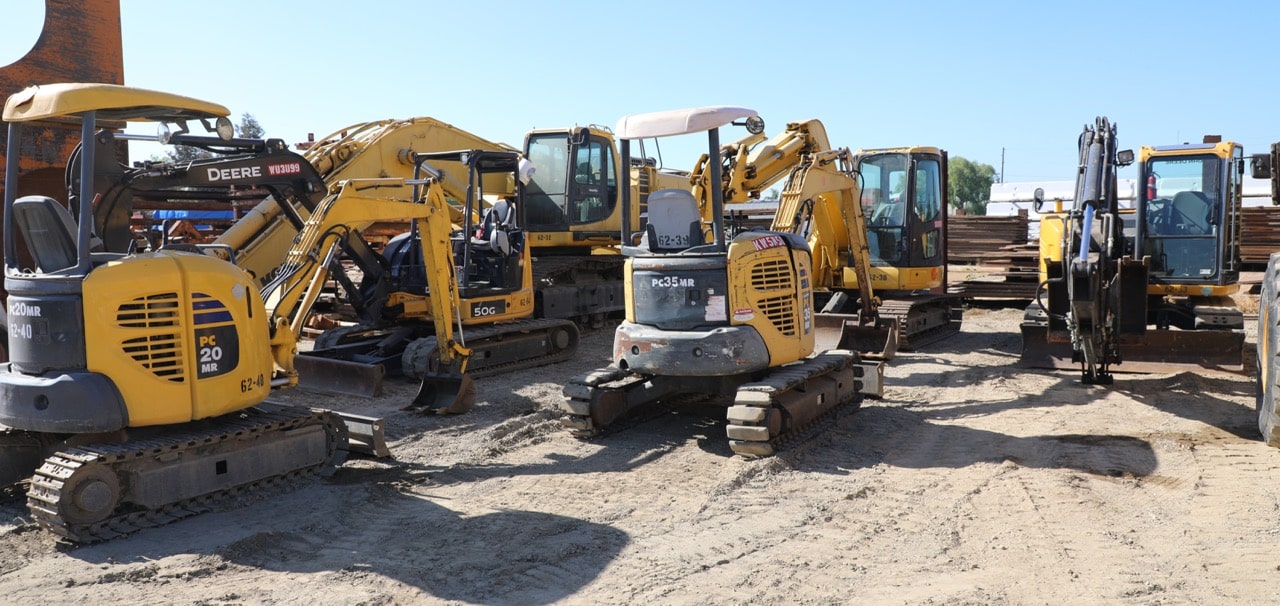
The cost of not knowing is steep. Duplicate repurchases of a tool or mid-sized asset—a single unnecessary purchase of a piece of heavy equipment bears a serious financial burden. A paver, for example, can cost $250,000 to $500,000+, equating to a finance payment of $10,000+/month. Avoiding even one unnecessary purchase ($120,000 in annual finance payments) can more than cover the annual cost of an equipment management system.
2. Monitor Equipment Utilization to Maximize Uptime and Inform Buy vs. Lease Decisions
Utilization is the single most powerful lever on total cost of ownership for construction equipment. It determines whether the fixed costs of ownership are being spread over productive hours or burning silently in the background.
When machines are underutilized but being hoarded on a jobsite, you can reduce ownership costs by relocating them to another jobsite where they are actively needed. By monitoring utilization, you can also determine whether a project team truly needs another machine—or whether the resources already on site are enough to complete the required scope.
Consider a direct example: eliminating three to six months of rental costs for a single Komatsu PC238 Mini Excavator at $6,500/month by mobilizing an owned, underutilized machine from another site saves a minimum of $20,000. That’s just one rental asset.
Utilization data also drives smarter purchase vs. lease decisions. Investment decisions should never be made in a vacuum. When the total rate of owning a machine falls between the upper and lower rental market bounds, ownership tends to be the more economical choice. When ownership cost exceeds the upper rental bound, because the machine isn’t being used enough to justify the capital outlay, leasing or renting is often smarter. Without trustworthy run-hour data, even a sophisticated cost model becomes an exercise in assumption.
Tenna provides a centralized, auditable system of record for utilization, consolidating telematics data, meter readings, and operational events into a single source of truth.
3. Implement Preventive Maintenance to Avoid Costly Repairs
Maintenance and repairs represent one of the largest and most controllable portions of total cost of ownership for construction equipment. Reactive repairs cost approximately five times more than preventive maintenance. Effective maintenance extends asset lifespan, improves reliability, increases ROI on owned assets, and helps slow depreciation.
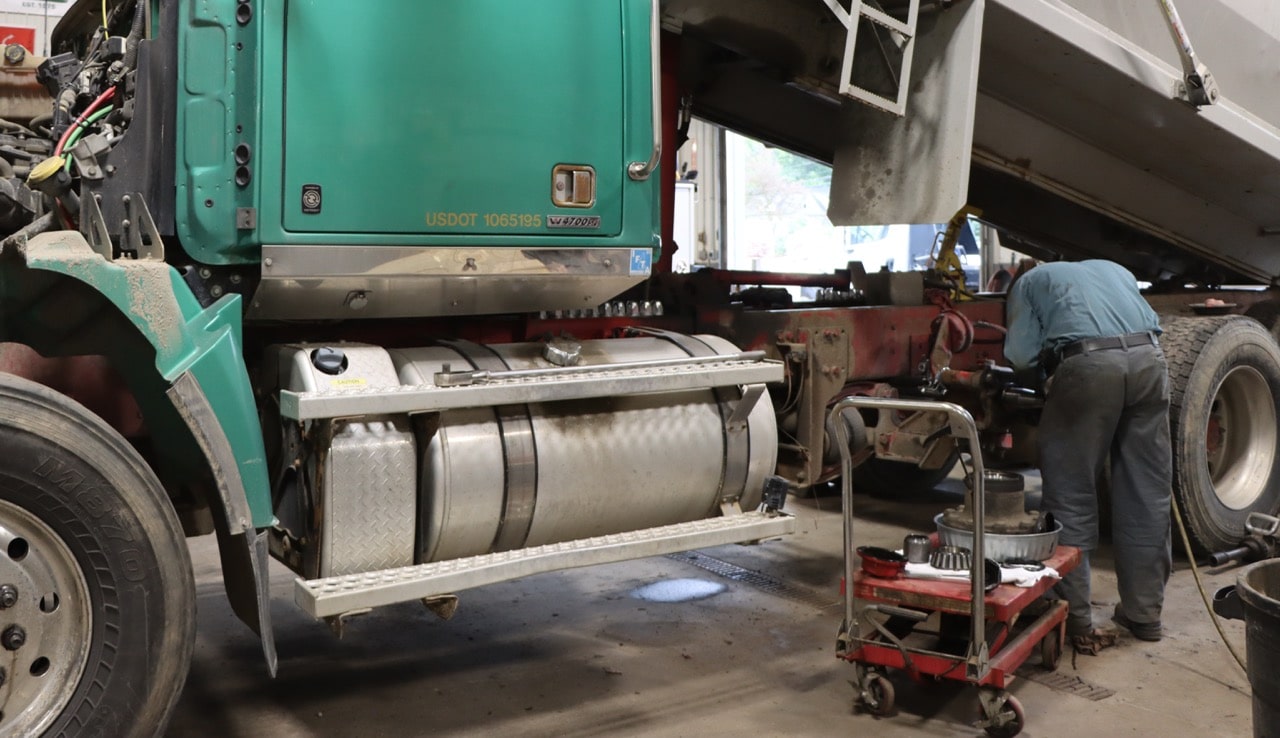
When customized for your fleet, preventive maintenance can be automated through equipment management software based on defined triggers—engine hours, mileage, or calendar intervals—so routine service is always visible and scheduled for your mechanics before problems develop.
By avoiding repairs caused by poor maintenance and neglect, you also avoid unplanned downtime, which has direct impacts on job schedules and margins beyond the repair cost itself.
4. Use Scheduling Tools to Ensure Right Equipment at the Right Time
Seeing how frequently machines are requested across your jobsites helps ensure your fleet is properly deployed, maintained on schedule, and not sitting hoarded on a project where it isn’t currently needed.
Better scheduling and coordination directly reduces unnecessary rental spend. Using the average $6,000/month cost for a $100,000 machine, mobilizing an owned unit instead of renting for a three-month project saves $18,000 on that one decision alone.
5. Track Fuel Consumption to Identify Waste and Theft
Fuel costs are significant to begin with and are frequently higher than necessary due to idling behaviors and theft. Recognizing and curbing excessive idling using telematics data can save tens of thousands annually, while also improving resale value by reducing unnecessary engine hours.
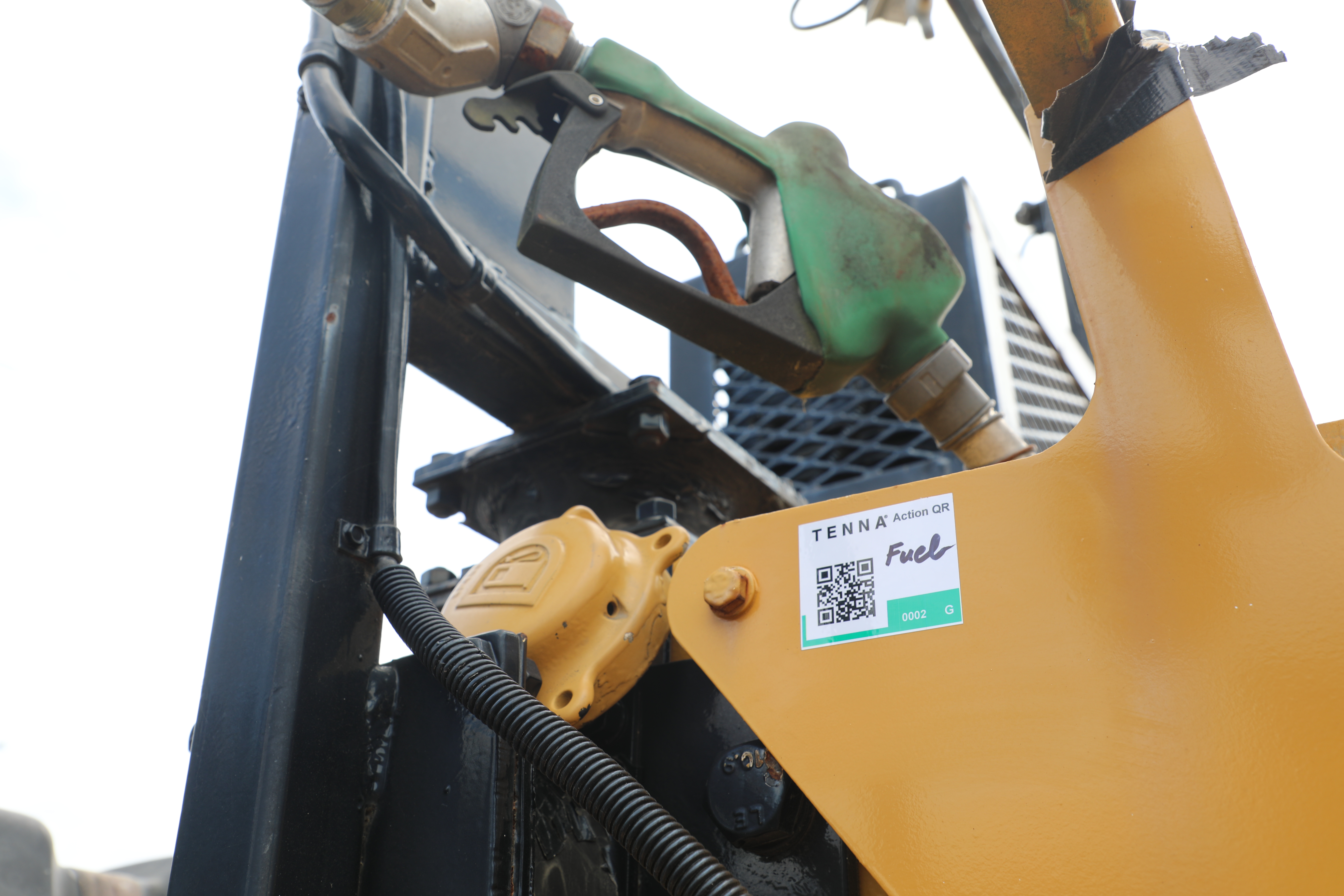
Using fuel consumption data from your equipment trackers—integrated with a fuel card system that monitors consumption rates at the pump—also helps surface instances of fuel theft, an unfortunate but common source of cost creep on construction sites.
6. Track Ownership Costs, Billing Rates, and Asset Earnings to Understand the Full Financial Picture
This is where TCO management moves from operational awareness into genuine financial intelligence and where many contractors leave significant money on the table. Tenna’s Asset Financials capabilities give you visibility across the complete financial life of every asset in your fleet, from acquisition through disposal.
- Ownership and financing costs. Tenna tracks loan amount, interest rates, and terms for all financed or leased assets, giving you the data to make informed decisions about payoff timing and refinancing.
- Operating cost tracking. Tenna captures parts and labor costs associated with operating each asset, as well as mechanic time spent maintaining each asset, making it possible to understand not just aggregate maintenance spend but what it costs to maintain each specific machine on each specific job.
- Billing rates and internal cost recovery. To accurately measure project profitability, contractors need to assign a fair, consistent cost for the portion of equipment time used by each project and generate equipment department revenue from internal or external charges. This shifts equipment from being a fixed overhead burden to a variable cost that reflects real field activity.
- Asset revenue. Knowing how much your assets are earning—both internally across your jobsites and through external rentals—helps offset ownership and operating costs. Tenna helps you determine which owned machines can generate income for the Equipment Division versus what requires paying an outside company for a rental.
- Depreciation and disposal. Knowing when to unload an asset that is costing more than it’s earning is as important as knowing when to invest. Tenna’s utilization and cost data give equipment managers an objective, data-backed basis to make disposal and replacement decisions. Documented maintenance records also help protect and maximize resale value.
TCO Takeaway: Having your cost and earnings information automated and available at the asset level lets you identify when costs are being exceeded, surface opportunities for cost cutting, and maintain an accurate view of each machine’s contribution to or drag on your bottom line.
7. Connect Equipment Cost Data with Your ERP and Accounting Systems for Accurate Job Costing
One of the most persistent challenges in construction finance is that equipment costs live in too many places at once. Ownership costs like depreciation, property tax, insurance premiums, and financing live in the accounting system. Fuel lives in fleet card data. Maintenance lives in the shop’s system. Telematics lives on a separate platform. Mobilization may be tracked operationally but not consistently reflected in job cost.
None of these sources automatically translate into accurate job costing, and the fragmentation creates administrative burden and financial blind spots.
The “great unknown” problem
In many firms, equipment costs are estimated at the start of a job and then allocated as flat rates or averaged out long after the project wraps. When equipment time is logged manually, often relying on operators to remember how many hours they spent on a specific task, the data is inherently flawed.
The consequences: hidden costs that never make it onto the ledger, false project “winners” (jobs that appear profitable because they weren’t charged for the true wear and tear of the assets they used), and inaccurate bids that compound risk over time.
Geofence-based project attribution
Tenna bridges this gap by giving physical assets a digital, financial home. Using Sites and Geofences (virtual boundaries drawn around each jobsite) the system automatically validates when an asset arrives, how long it stayed, and exactly when it contributed to that job.
Every minute of engine run-time is attributed to the correct job without relying on manual entry.
Standardized construction cost codes
When cost codes are inconsistent across projects, equipment data becomes difficult to benchmark. Standardized cost codes in Tenna ensure that utilization, fuel, and maintenance costs align directly with your job costing framework, making operations data immediately actionable for finance teams.
ERP integration
By syncing Tenna with your ERP, equipment hours, fuel usage, and maintenance events automatically flow into job costing workflows, reducing manual entry and improving accuracy. This creates a real-time view of project financial performance, allowing leaders to make decisions based on current facts rather than reconciled estimates weeks after the work is done.
Equipment mobilization and transport costs
Moving personnel, equipment, and materials to and from project sites is a significant and frequently misallocated cost. GPS and telematics systems allow managers to allocate transport costs by actual miles and hours driven, record the exact moment equipment arrives on site, and identify redundant trips.
Connecting these systems to accounting software ensures mobilization costs flow into job costing automatically. Even moving a D6 Dozer across state lines can cost $4,000–$6,000 one way, which is a cost that deserves precise job attribution.
8. Conduct Regular Equipment Inspections to Prevent Costly Breakdowns
Equipment inspections help identify issues before they escalate into expensive repairs, safety incidents, or project delays. When a problem is caught during an inspection, it can be resolved quickly and at lower cost before the condition worsens or causes a breakdown in the field.
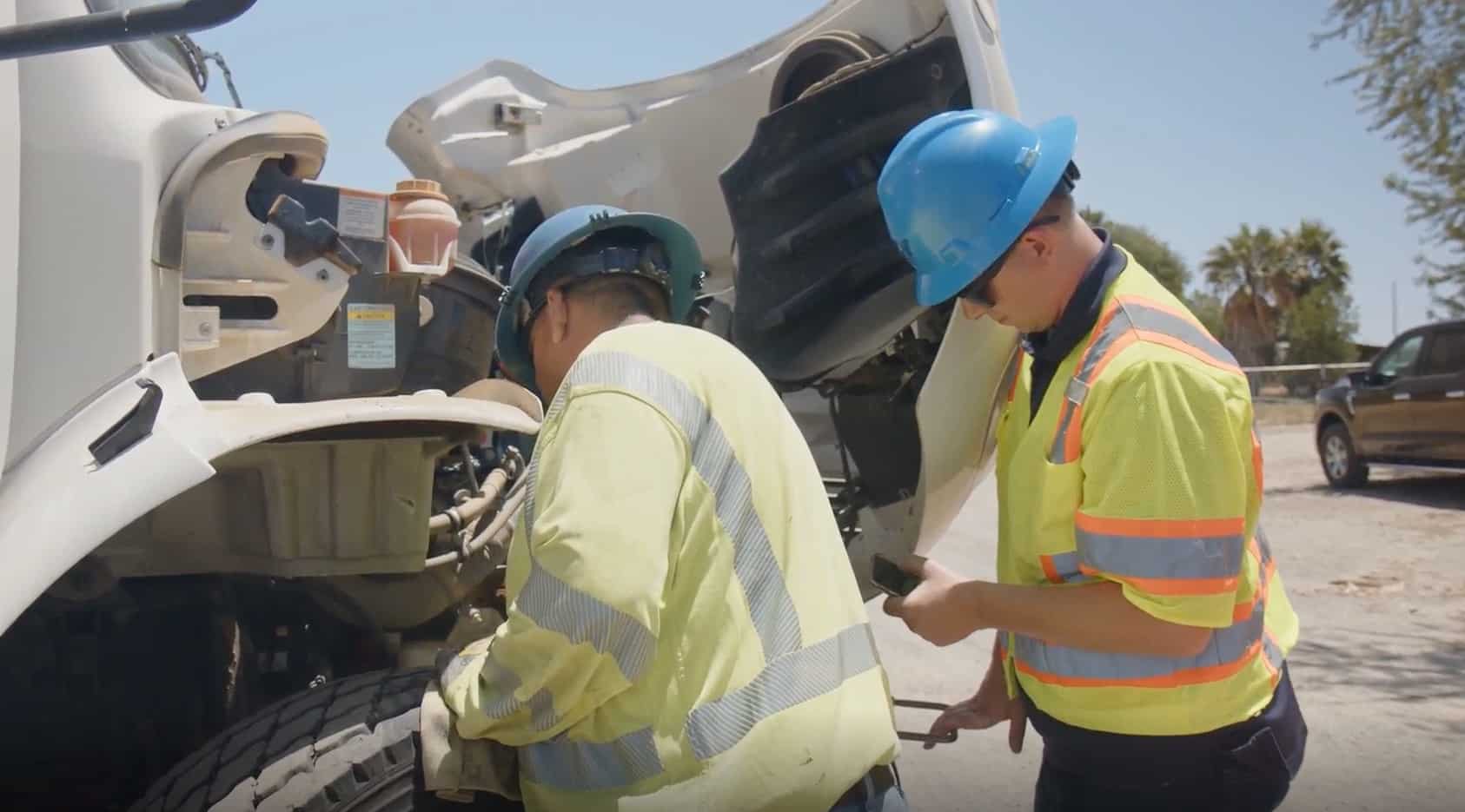
The cost of neglecting inspections extends well beyond parts and labor. The average “serious” OSHA violation costs over $13,000 per offense. Safety incidents affect your schedule, reputation, and ability to win future work. Proactive inspection programs reduce malfunction risk, lower repair costs, and can reduce insurance premiums.
When to Repair vs. Replace Construction Equipment
TCO data is the most reliable basis for repair-versus-replace decisions. The general principle: when the cost to repair a machine exceeds the value it will generate over the remainder of its useful life, disposal or replacement is the better financial decision.
Key signals that TCO has crossed a tipping point:
- Repair costs in a given period exceed the asset’s current market value
- Utilization data shows the machine is consistently underperforming benchmarks despite maintenance investment
- Downtime frequency is increasing and disrupting project schedules
- Parts availability or lead times are growing problematic for aging equipment
- The cost of operating the machine (fuel, maintenance, and labor) per productive hour is rising faster than the asset’s remaining economic value
Equipment management software gives you the cost history, utilization trend, and maintenance record data to make these decisions objectively.
How Tenna Ties It All Together
Tenna’s platform provides a detailed view of your fleet’s complete financial picture. Quickly review investment costs, utilization, maintenance costs, repair spend, rental spend, and asset earnings—all in one place—to draw clear conclusions about where your costs are running high and where the biggest savings opportunities lie.
Run standard reports or build your own. Report on fuel consumption, parts and labor, operating behaviors, billing rates, financing costs, and more. Monitor what your assets are costing versus what they’re earning, and feed that data directly into your ERP or accounting system to ensure comprehensive, accurate financial reporting across every project.
The goal isn’t just reducing costs in isolation. It’s giving your equipment managers, cost accountants, estimators, and executives a shared, real-time view of construction equipment TCO, so every financial decision is grounded in verified data rather than estimates.