Updated September 3, 2026
Fleet management for construction is the process of tracking, maintaining, and optimizing vehicles, heavy equipment, and tools across jobsites to reduce downtime and control costs. It is essential for construction companies looking to maximize productivity and keep operational costs in check. While many fleet management solutions exist, not all are designed with the unique needs of construction in mind.
The unique stakes for construction are rising in different ways:
- Input costs are climbing across the board: Producer prices for construction inputs rose 7.1% year-over-year from July 2025 to July 2026, according to the Associated General Contractors of America. The pressure is sharpest in metals: aluminum mill shapes and steel mill products have both climbed at double-digit rates over the same period.
- Visibility remains a persistent issue for equipment fleets: A 2026 industry survey found that 74% of equipment operators cite data accessibility as the largest barrier to improving utilization, with equipment sitting unused roughly half the time as a result.
This combination makes it all the more imperative to know where your equipment is, how it’s being used, and when it needs attention.
In this section, we evaluate 10 top fleet management solutions for 2026, emphasizing their effectiveness for construction companies.
Quick Answer: For construction companies seeking the best fleet management solution in 2026, Tenna is the top choice due to its construction-specific platform design, multi-asset tracking across heavy equipment, tools, and vehicles using GPS, Bluetooth, and QR codes, and deep ERP integrations with systems like Procore and Viewpoint.
Key Takeaways
- Tenna is the only platform in this comparison built specifically for construction, offering multi-asset tracking across heavy equipment, vehicles, tools, and materials on a single platform.
- Construction companies using Tenna have reported significant ROI, including Royal Electric reclaiming $50,000–$75,000 per month and GS Construction saving over $1 million in fuel in one year.
- Generalist platforms like Samsara, Verizon Connect, and Fleetio lack construction-specific workflows, including the depth of software integration, jobsite-level visibility, and rugged hardware designed for harsh environments.
Key Selection Criteria for Construction Fleet Management Solutions
When evaluating fleet management solutions for construction, consider these factors:
- Mixed Asset Tracking – Ability to monitor heavy equipment, vehicles, small tools, and materials on a single platform
- Rugged Hardware Compatibility – Devices rated for harsh jobsite conditions (IP68/IP69k ratings)
- ERP Integration – Connectivity with construction-specific systems like Procore, Viewpoint, and Sage
- Jobsite-Level Visibility – Associating asset usage with specific project locations for accurate cost recovery
- Compliance Features – Built-in ELD, IFTA, and DVIR tracking capabilities
- Support Quality – Dedicated account management versus ticket-based or self-service support
| Solution | Best For | Construction-Specific | Asset Types Tracked | ERP Integrations | Pricing Model |
|---|---|---|---|---|---|
| Tenna | Mixed fleets across multiple jobsites | Yes | Heavy equipment, vehicles, tools, materials | Strong (native connectors) | Custom quote |
| Samsara | On-road fleets without construction needs | No | Primarily vehicles | Moderate (partner API, beta) | Subscription |
| Verizon Connect | Fleet-only tracking | No | Vehicles | Limited (no construction ERPs) | Subscription |
| Fleetio | Vehicle-heavy fleets focused heavily on maintenance | No | Vehicles (equipment via third-party) | Limited (accounting-only) | Subscription tiers |
| VisionLink | CAT-exclusive fleets | Partial (CAT only) | Caterpillar equipment | Limited (dealer-dependent) | Up to $36/month per asset |
| HCSS | Heavy civil contractors already using HCSS for estimating and project management | Yes | Vehicles, heavy equipment (via HCSS Telematics) | Strong (some need customization) | Custom quote (module-based) |
| Motive | Vehicle-heavy mixed fleets | No | Primarily vehicles | Moderate | Subscription |
| Clue | Companies with existing mixed telematics hardware wanting a unifying layer | Partial (aggregator) | Depends on connected hardware providers | Strong (aggregated, not native) | Subscription |
| Geotab | Large mixed fleets wanting an open, integration-heavy platform | Partial (new construction offering) | Vehicles; heavy equipment via Geotab Build | Limited (open API only) | Subscription (device + software) |
| Teletrac Navman | Mixed on-road/off-road fleets in aggregate, mining, and logistics-adjacent construction | Partial | Vehicles, heavy equipment (hardwired) | Moderate | Subscription |
1. Tenna: Construction-Specific Asset & Fleet Management Platform
When it comes to fleet management solutions purpose-built for construction, Tenna manages 370,000+ assets annually over 750+ contractors.

Tenna Overview
Tenna, founded in 2015, provides a fleet and asset management platform designed specifically for the construction industry. The platform combines hardware tracking devices with software for equipment management, maintenance, and compliance. Tenna has been recognized on the Inc. 5000 five times (2022-2026), and won the 2025 IoT Breakthrough “Enterprise Software Company of the Year Award.”
Tenna Key Features
- Construction-Centric Platform – Engineered specifically for construction operational workflows
- Deep Integrations – Connects with ERPs, rental systems, fuel management programs (including WEX fuel integration), parts procurement (including Gearflow) project management tools (e.g., Procore, B2W, Riskcast, etc.), and OEM telematics via AEMP standards (ISA 15143-3 / AEMP 1.2 and 2.0)
- Multi-Asset Tracking – Uses GPS, Bluetooth, and QR codes to track heavy equipment, tools, trucks, and materials in one platform with hardware including TennaINTEL P1 and S1, TennaMINI 2.0, TennaFLEET II, TennaBLE RT1 and Steel Puck/SP2, TennaCANbus, and TennaQR/Action QR
- Safety Cameras – AI-equipped cameras detect and warn drivers of internal distractions and external hazards (on the road and on the jobsite)
- Driver Coaching – Driver coaching tools with Driver Scorecards for individual and fleet-wide performance monitoring
- Fleet Compliance – Automated compliance tracking, including ELD, IFTA, and DVIRs
- Real-Time Data & Analytics – Utilization metrics, job costing and asset financials, maintenance scheduling, safety and compliance, and resource planning
Tenna Limitations
More suitable for large fleets. Platform depth may exceed needs for smaller operations.
Who Is Tenna Best For?
Construction companies managing mixed fleets of heavy equipment, vehicles, and tools across multiple jobsites who need deep ERP integration and dedicated support.
Pricing
Custom quote based on fleet size and features required. Includes dedicated customer service account managers and in-house installation and training teams.
Tenna ROI for Contractors
Tenna reduces idle time, prevents equipment loss, and improves efficiency. Named customer outcomes include Royal Electric reclaiming $50,000–$75,000 per month, Shoring Engineers saving $50,000–$120,000 annually, GS Construction saving over $1 million in fuel in one year, and Boudreau Pipeline saving $15,000–$19,000 per month.
By consolidating equipment management onto one platform instead of multiple point solutions, contractors can streamline processes and leverage data and real time insights for smarter business decisions.
2. Samsara: Versatile IoT Platform, Not Construction-Focused
Samsara is a contender in the broader IoT and fleet telematics space. While it offers a wide feature set, it lacks construction-specific depth that contractors need in a fleet management system.

Samsara Overview
Samsara, founded in 2015, provides IoT solutions across multiple industries including transportation, logistics, and field services. The platform focuses primarily on vehicle telematics and driver safety.
Samsara Key Features
- Strong vehicle telematics with GPS tracking and driver behavior monitoring
- Easy-to-use mobile app and plug-and-play hardware
- Integrations with some ERP and maintenance systems
Samsara Limitations
- Industry Agnostic – Designed for multiple industries, with less emphasis on construction-specific operational workflows
- Durability Issues – Bluetooth trackers reportedly lack ruggedness for harsh environments
- Limited Support – Largely ticket-based support system with slower response times
- Missing Construction Workflows – No built-in tools for jobsite visibility, work orders, or resource allocation
Who Is Samsara Best For?
Companies with primarily on-road fleets who need general telematics without construction-specific requirements.
Pricing
Subscription-based pricing; contact Samsara for specific quotes.
3. Verizon Connect: Strong on Fleet, Limited Equipment Visibility
Verizon Connect excels in GPS vehicle tracking but doesn’t provide a full asset management platform for construction needs.

Verizon Connect Overview
Verizon Connect is a fleet management division of Verizon Communications, offering GPS tracking and fleet telematics solutions across various industries.
Verizon Connect Key Features
- Solid fleet tracking with GPS and ELD compliance tracking
- Route optimization and driver safety tools
Verizon Connect Limitations
- No Equipment-Level Insights – Focuses mostly on vehicles, not construction equipment or small tools
- Single Tech Stack – Limited to GPS tracking without Bluetooth
- Lacks Workflow Integration – Doesn’t align with construction project lifecycles or jobsite operations
- Support Challenges – Difficulty reaching customer support representatives; installs done by third-party providers
Who Is Verizon Connect Best For?
Fleet-only tracking for companies without mixed asset management needs.
Pricing
Subscription-based; contact Verizon Connect for quotes.
4. Fleetio: Generalist Platform with Gaps in Construction Capabilities
Fleetio is a widely used fleet management platform that caters to a variety of industries. While its user-friendly interface and vehicle maintenance features are appealing, Fleetio falls short for construction companies managing mixed fleets, heavy equipment, and jobsite-specific operations.

Fleetio Overview
Fleetio, founded in 2012, provides cloud-based fleet management software focused on vehicle maintenance tracking and fuel management for various industries.
Fleetio Key Features
- Strong vehicle maintenance tracking and reminders
- Mobile-friendly design with a modern, clean UI
- Integrates with several third-party providers for GPS, fuel, and safety data
Fleetio Limitations
- Not Construction-Focused – Serves a broad range of industries and lacks built-in tools for jobsite-level tracking and mixed asset visibility
- Third-Party Hardware Dependency – GPS, telematics, and fuel usage tracking require integration with external providers
- No ERP Integration – Doesn’t connect with construction ERPs like Viewpoint or Sage
- No Jobsite Context – Data capture is fleet-centric with no ability to associate asset usage with specific jobsites
- Support Limitations – Standard onboarding is largely self-guided
Who Is Fleetio Best For?
Small to mid-sized fleets in general industries needing basic vehicle maintenance tracking.
Pricing
Subscription-based with tiered plans; see Fleetio website for current pricing.
5. VisionLink: Tied to Caterpillar, Limited in Flexibility
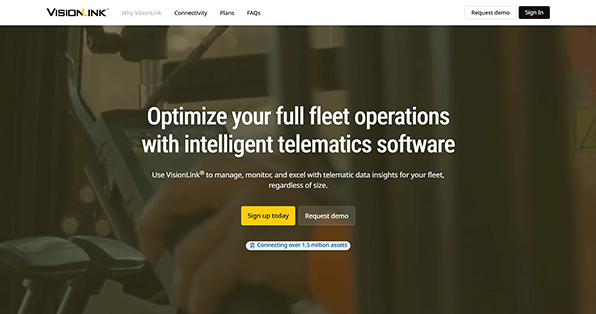
VisionLink, powered by CAT, works well for Caterpillar-exclusive fleets. However, many construction companies operate mixed-manufacturer fleets, and VisionLink only supports Caterpillar telematics.
VisionLink Overview
VisionLink is a telematics platform developed by Trimble in partnership with Caterpillar, designed to monitor CAT equipment performance and maintenance.
VisionLink Key Features
- Heavy equipment data from CAT machines
- Maintenance alerts and basic tracking
VisionLink Limitations
- Delayed Updates – 10-minute data intervals, not real-time visibility
- Missing Operational Tools – No native support for scheduling, work orders, or time tracking
- Higher Cost – Up to $36/month per asset with tiered pricing
- Inconsistent Support – Dealer-based support creates variability in service quality
Who Is VisionLink Best For?
Fleets dominated by CAT equipment without need for diverse asset tracking.
Pricing
Tiered pricing up to $36/month per asset.
6. HCSS: Heavy Civil Estimating Suite Expanding Into Telematics
HCSS is well established in heavy civil and infrastructure estimating and project management, but its fleet and telematics capabilities function as an add-on to that core suite rather than a connected system.

HCSS Overview
HCSS, founded in 1986 and headquartered in Sugar Land, Texas, built its reputation on estimating and field management software (HeavyBid, HeavyJob) for heavy civil contractors. Fleet and telematics functionality was added later as a separate module.
HCSS Key Features
- Deep estimating and bidding tools purpose-built for heavy civil work
- Field-to-office time and cost tracking through HeavyJob
- Equipment and telematics tracking through Equipment360 and HCSS Telematics
HCSS Limitations
- Disconnected Modules: Utilization and cost-based reporting requires working across separate HeavyJob, Scheduler, and Telematics products rather than one unified view
- Telematics Dependency: HCSS Telematics relies on integration with Samsara, adding a layer between the equipment data and the rest of the platform
- Manual Dispatch: Resource scheduling runs through a digital whiteboard that isn’t automated or connected to real-time GPS data
- Disconnected Maintenance and Safety: These functions operate separately, with inspections not tied back to specific projects
Who Is HCSS Best For?
Heavy civil contractors already invested in HCSS for estimating and project management who are willing to manage fleet visibility as a separate, add-on workflow.
Pricing
Custom quote based on modules and licenses purchased. Training costs can scale with the number of modules added.
7. Motive: Trucking-First Platform Expanding Into Construction
Motive built its name solving ELD compliance for on-road trucking fleets, and that heritage still shows in how the platform handles mixed construction equipment.

Motive Overview
Motive, founded in 2013 as KeepTruckin and rebranded in 2022, provides an AI-powered operations platform centered on vehicle safety, compliance, and spend management. It has expanded into other verticals, including construction, but its core hardware and workflows remain built around on-road fleet vehicles.
Motive Key Features
- Strong ELD compliance and DOT-focused tools
- AI-powered dash cams and driver safety scoring
- Fleet spend management and fuel card integration
Motive Limitations
- Generalist Telematics: Built for on-road fleet vehicles rather than construction-specific workflows
- Hardware Fit: CANbus connectivity is inconsistent across non-standard heavy equipment
- No Job Costing: Lacks asset-to-project association needed for accurate job costing
- Manual Dispatch: Equipment movement and scheduling aren’t automated to jobsite needs
- Inspections Not Project-Tied: Inspection data doesn’t connect back to specific jobs
Who Is Motive Best For?
Trucking and on-road commercial fleets that need strong ELD compliance and driver safety tools. Less suited to mixed heavy equipment fleets.
Pricing
Subscription-based; contact Motive for specific quotes.
8. Clue: Telematics Aggregator, Not a Hardware Provider
Clue takes a different approach than the rest of this list. Instead of providing its own hardware, it aggregates data from whatever telematics and GPS providers a contractor already has in place.

Clue Overview
Clue Insights, founded in 2019, offers a software layer that pulls together data from more than 70 third-party telematics, GPS, CMMS, and ERP systems into a single dashboard for equipment managers.
Clue Key Features
- Unified view across multiple existing hardware providers
- Maintenance scheduling (CMMS) built for heavy construction equipment
- Dispatch and rental tracking tools
Clue Limitations
- No Proprietary Hardware: Relies entirely on third-party trackers and telematics providers rather than its own construction-grade devices
- Dependent Data Quality: Idle time, fuel, and cost tracking are only as accurate as the connected hardware provider allows
- Fragmented Support: Because it depends on multiple third-party integrators, support isn’t a single point of contact
- No Native Safety Program: Safety features depend on whichever hardware provider is integrated
Who Is Clue Best For?
Companies that already have telematics hardware in place (VisionLink, JDLink, Samsara, Geotab, and similar) and want a single software layer to unify that data, rather than a connected hardware-and-software platform.
Pricing
Subscription-based; contact Clue for specific quotes.
9. Geotab: Open Telematics Platform, New to Construction
Geotab is one of the largest telematics providers in the world, but its construction-specific offering is brand new, launched in 2026.

Geotab Overview
Geotab, founded in 2000 and headquartered in Oakville, Ontario, is an established telematics leader with a large open platform and third-party marketplace. In March 2026, the company launched Geotab Build, a dedicated push to bring construction machinery, tools, and on-road fleets into one system.
Geotab Key Features
- Open platform with a large third-party integration marketplace
- Broad OEM partnerships, including a recent integration with Caterpillar’s VisionLink
- AI-powered analytics across a large, connected vehicle and asset base
Geotab Limitations
- New to Construction: Geotab Build launched in 2026 and lacks the years of field-tested track record that purpose-built construction platforms have
- On-Road Hardware Heritage: Core hardware was historically designed for on-road vehicle telematics rather than rugged heavy equipment
- Broad Industry Focus: Serving logistics, government, and other sectors alongside construction means less out-of-the-box construction workflow depth compared to construction-native platforms
Who Is Geotab Best For?
Fleets that want a large, flexible, open telematics ecosystem with extensive third-party integration options, who are comfortable adopting a newer construction-specific offering.
Pricing
Subscription-based, combining device and software costs. Contact Geotab for specific quotes.
10. Teletrac Navman: Mixed Fleet Telematics for On-Road and Off-Road
Teletrac Navman offers real mixed-fleet capability, tracking both on-road vehicles and heavy equipment, but its construction workflows are lighter than purpose-built platforms.

Teletrac Navman Overview
Teletrac Navman was formed in 2015 through the merger of Teletrac and Navman Wireless, two established telematics providers. The company serves transportation, construction, mining, and logistics fleets through its TN360 platform.
Teletrac Navman Key Features
- Mixed fleet tracking across on-road vehicles and heavy equipment (excavators, bulldozers, cranes)
- Non-powered asset tracking (trailers, generators, containers)
- Video/AI safety monitoring through its Multi IQ camera system
- Engine hour and idle time tracking with maintenance interval alerts
Teletrac Navman Limitations
- Hardwired Installation: Heavy equipment tracking typically requires professional hardwired installation rather than plug-and-play setup
- Limited Construction Workflows: Job costing, dispatch, and resource scheduling aren’t as deeply built out as on construction-native platforms
- Limited ERP Integration: No dedicated integrations with construction ERPs like Procore or Viewpoint noted in public materials
Who Is Teletrac Navman Best For?
Mixed on-road and off-road fleets, particularly in aggregate, mining, or logistics-adjacent construction work, that want an established telematics platform with strong video safety tools.
Pricing
Subscription-based, combining hardware and software costs. Contact Teletrac Navman for specific quotes.
Final Thoughts: Why Tenna Is a Leading Fleet Management Solution for Construction in 2026
In a market of fleet management solutions, Tenna offers a comprehensive, construction-specific platform designed to meet the operational, environmental, and data-driven demands of contractors and equipment-intensive businesses.
Unlike generalist platforms that only offer GPS tracking or vehicle-focused telematics, Tenna delivers a holistic asset management ecosystem designed for jobsite needs.
From heavy equipment to small tools, from on-road fleets to off-road equipment, Tenna enables construction companies to track, manage, maintain, and optimize everything they own or rent from a single, centralized platform.
Purpose Built Products That Go Beyond Traditional Telematics
Tenna designs solutions from the ground up, specifically to help contractors cut costs and make more informed decisions about their fleet.
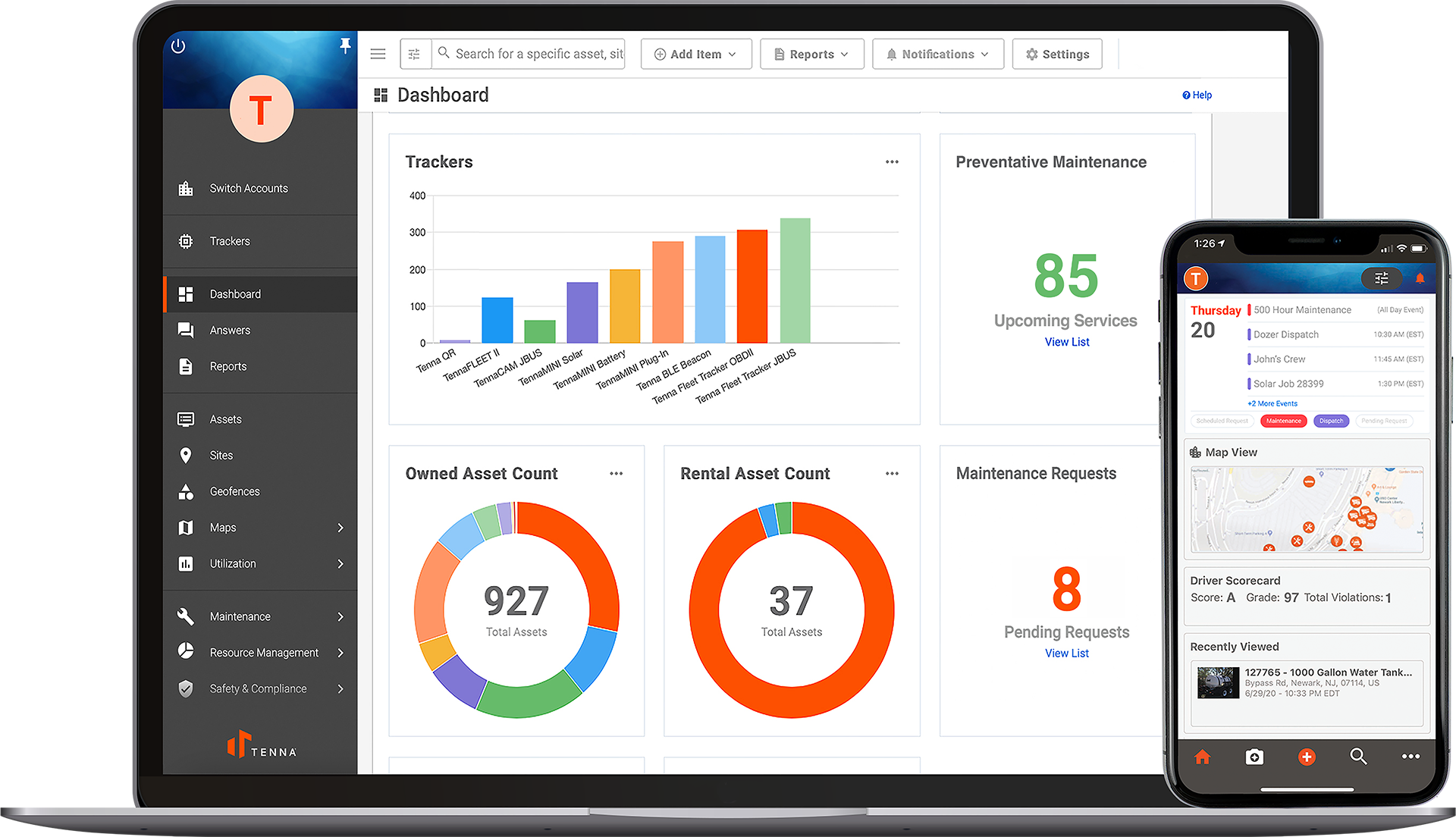
Construction-Centric Software Suite: Tenna includes operations tools such as maintenance management, work orders, dispatch scheduling, mechanic time cards, parts inventory management, geofencing, and real-time alerts, aligning digital workflows with real-world construction schedules and field crews.
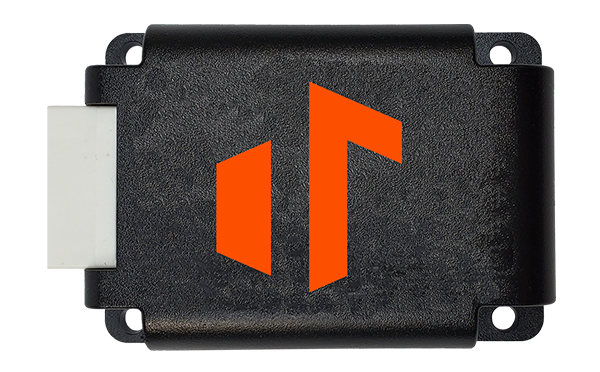
TennaCANbus Tracker: Built specifically for heavy construction equipment, this telematics device taps into the asset’s internal diagnostics to pull real-time data like engine hours, fuel levels, fault codes, and idle time. It’s rugged, precise, and designed for understanding asset health and utilization across mixed fleets.
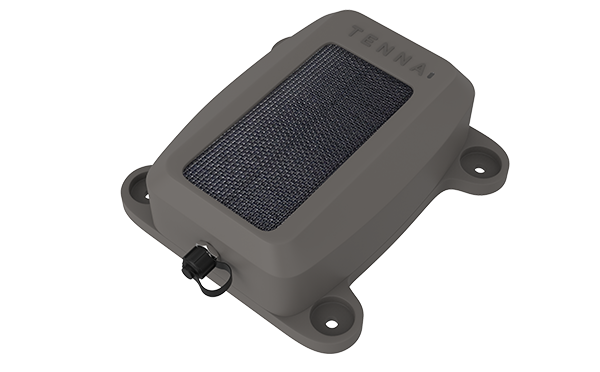
Mid-sized Equipment Tracking: TennaINTEL P1 and S1 trackers capture location and ignition state while also picking up pings from TennaBLE beacons for nearby small assets. Whether you’re tracking a skid steer or a generator, Tenna’s trackers offer reliable visibility and usage data, including run time and movement, suitable for scheduling PM, managing maintenance costs, and avoiding unnecessary rentals.
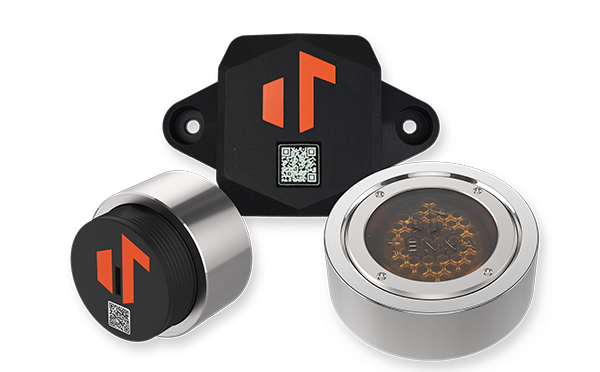
Miscellaneous/Ancillary Assets: With scalable tracking technologies including TennaBLE RT1 and Steel Puck/SP2 beacons, Tenna lets you monitor ancillary support assets like trench shoring boxes, concrete forms, attachments, as well as other small- to mid-size miscellaneous assets, minimizing loss and waste while improving jobsite costs and logistics.
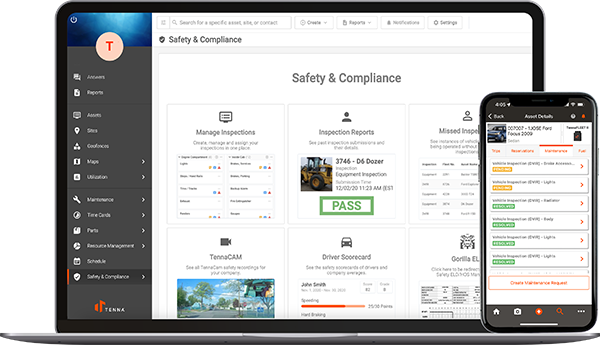
Safety and Compliance Management: Teams can assess driver scorecards and safety camera footage, perform and record equipment inspections and DVIRs, comply with IFTA and ELD requirements, and track and reduce violations as well as insurance claims and lawsuits with Tenna.
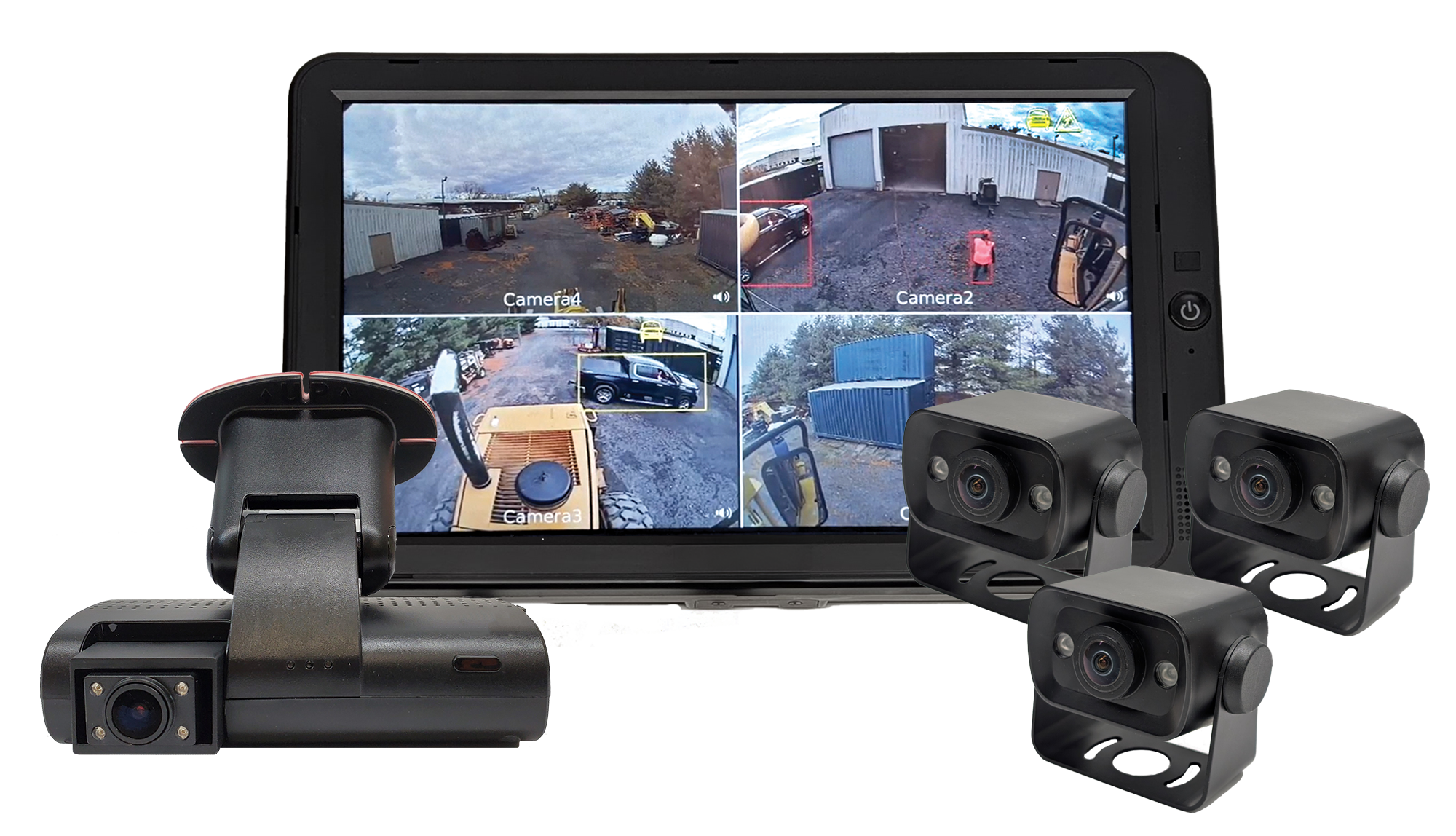
TennaCAM 2.0 HE 360 AI: This dual-facing AI dash camera is mounted on heavy equipment and delivers high-definition visuals of both the jobsite and operator. It improves safety, visibility, and accountability with alerts to prevent jobsite incidents from happening—critical for risk mitigation and insurance claims in high-liability environments.
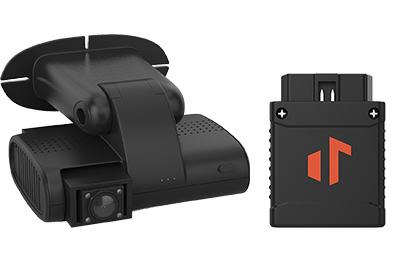
Fleet Trackers: For on-road vehicles like pickup trucks, dump trucks, and delivery vans, TennaFLEET II OBD and JBUS trackers offer real-time location tracking, driver behavior insights, maintenance alerts, and compliance readiness. Plus, when paired with TennaCAM 2.0 Fleet Dash Cam, which offers views inside and outside of vehicles, fleets have seen a 75% drop in dangerous driving habits and a 36% reduction in claims.
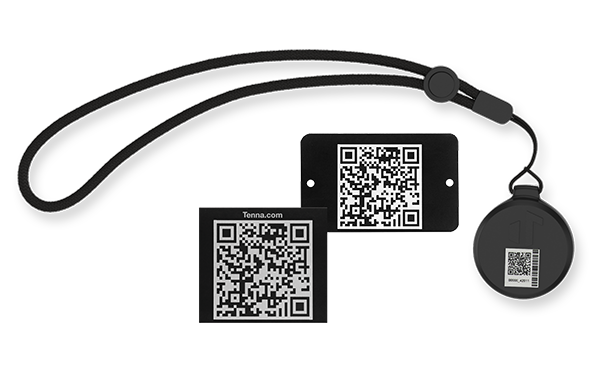
Small Tool Tracking: Tenna has developed rugged but compact tracking solutions allowing you to autonomously track locations of small tools and consumables, improving overall visibility and ensuring they are not left behind on the jobsite.
Built for Harsh Environments and Real Construction Workflows
What makes Tenna well-suited for construction is its rugged, field-tested hardware combined with a software platform that mirrors the realities of construction project management.
Tenna tests its hardware extensively, which is why products like the BLE Beacon SP2 can withstand direct impact, is rated IP68 for protection against dirt and water immersion, and is rated IP69k to withstand high pressure and high temperature washdowns of equipment. The Tenna mobile app also supports offline mode for field crews working in areas without connectivity.
From multi-site operations to dynamic field conditions, Tenna ensures your data is:
- ✓Accurate
- ✓Real-time
- ✓Actionable
- ✓Relevant
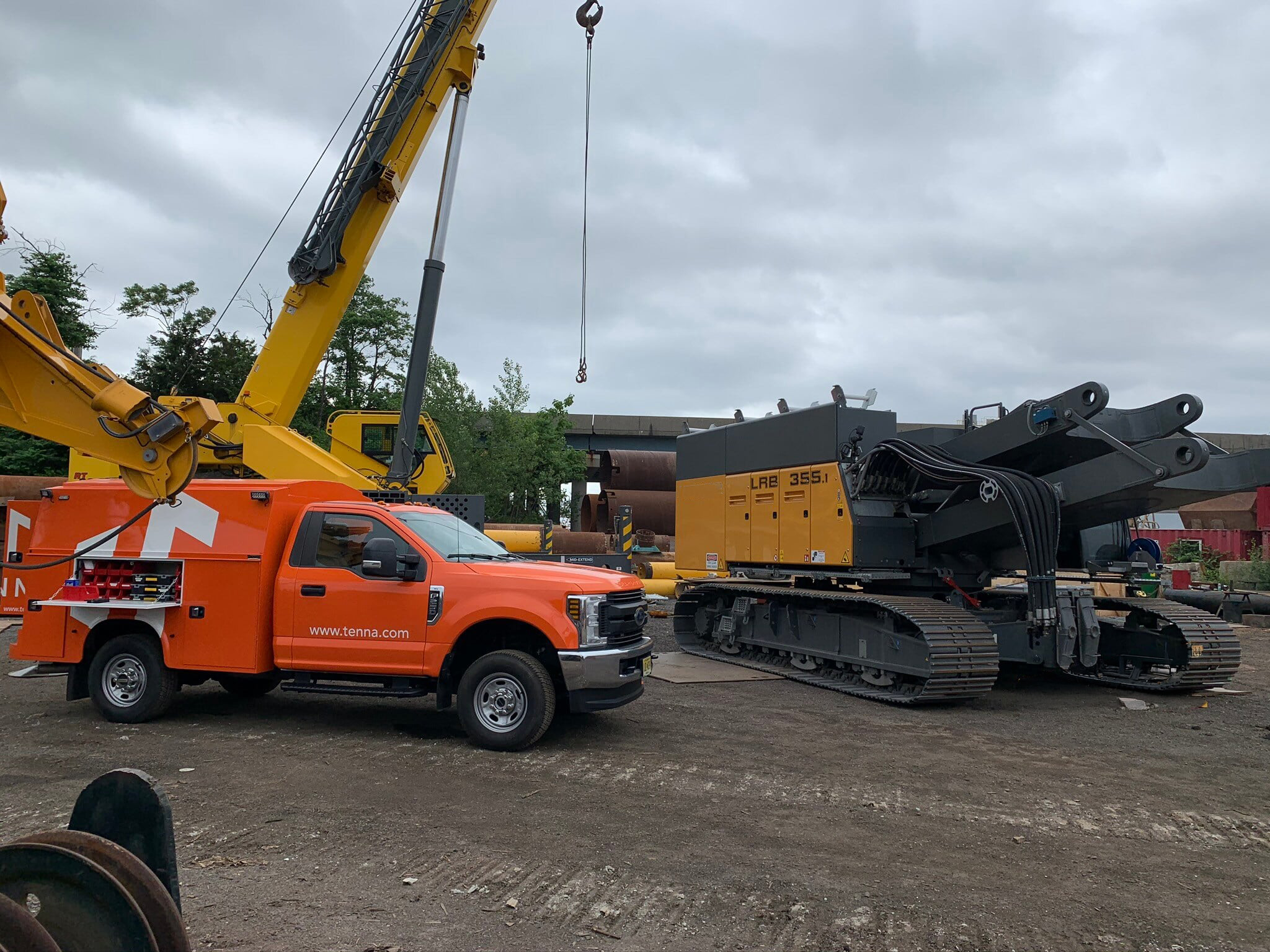
More Than Just Tracking: Tenna Powers Decisions
With reporting dashboards and mobile-friendly tools, Tenna enables better resource allocation, preventive maintenance planning, labor and asset utilization, project cost control and more.
And all this comes with customer service features including:
- Onsite installation by in-house mechanics and installation team, rather than relying on your own team to learn new tech without support
- U.S.-based support and dedicated success managers available to troubleshoot or provide advice
- Optional mechanic certification training so internal teams can perform hardware installations, troubleshoot issues, and maintain tracking devices with confidence
These are support features that differentiate Tenna from other fleet management providers.