Ask any equipment manager what their biggest operational headache is, and the answer is usually the same: a machine that went down when they needed it most. Unplanned breakdowns idle crews, push project timelines, and force emergency rentals at premium rates. The antidote is a disciplined equipment preventive maintenance program—scheduled, trackable, and connected across the whole organization.
The problem for most contractors is executing preventive maintenance consistently when work orders pile up, mechanics are stretched thin, and information lives on whiteboards, Excel sheets, and people’s phones.
That’s exactly what construction companies have used Tenna to solve. Below are real-world stories from contractors across the country who replaced reactive break-fix cycles with proactive maintenance programs on Tenna and the measurable results that followed.
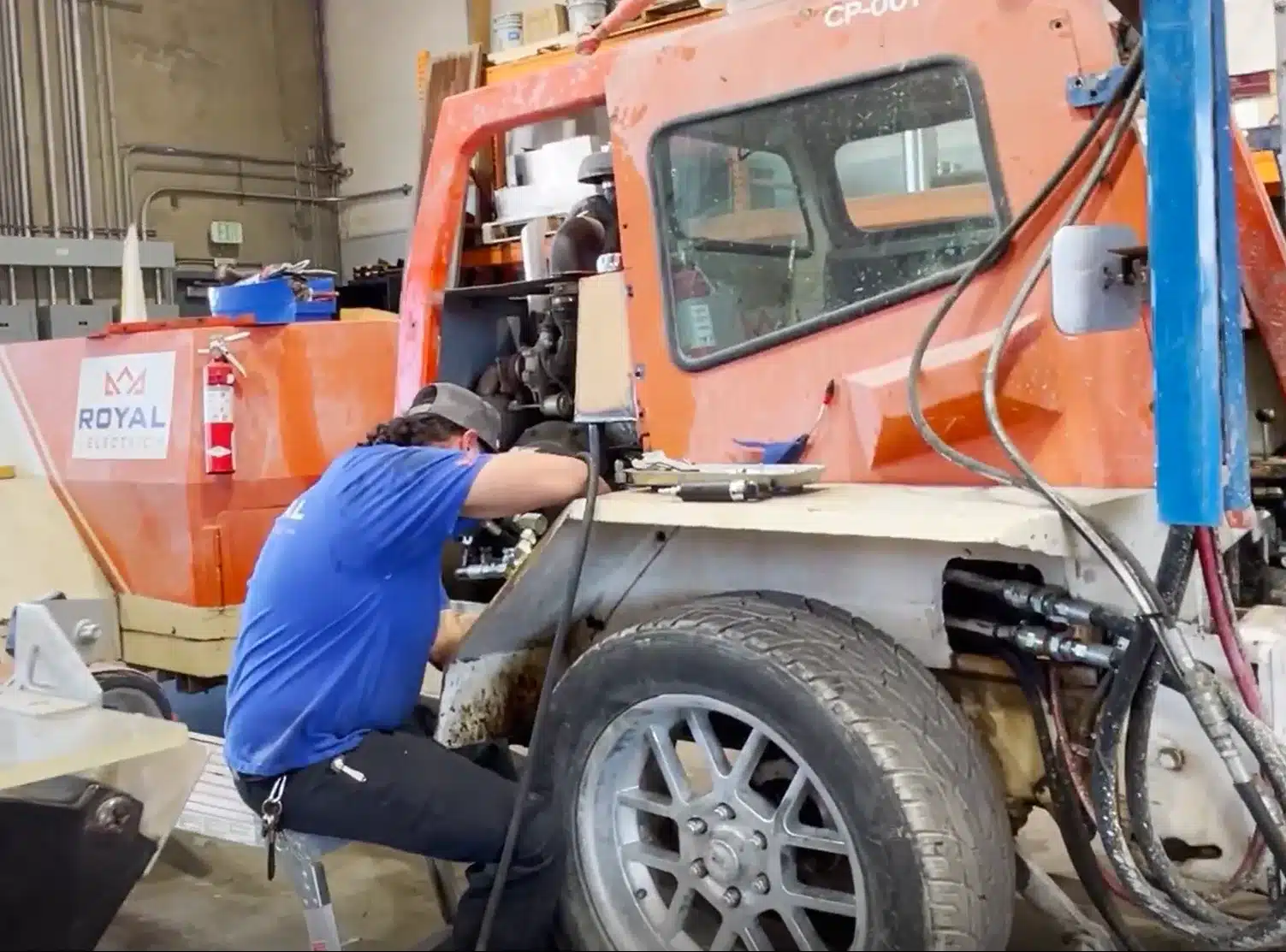
Royal Electric: From Overdue Inspections to 100% On-Time Preventive Maintenance
Who they are: A $300M multi-state electrical contractor with hundreds of assets and dozens of active jobsites
The problem: As Royal Electric expanded across the U.S., preventive maintenance and 90-day BIT inspections were slipping behind schedule. Field crews and the shop lacked a consistent system to connect them, so they missed service intervals and often fell behind on compliance.
What Royal implemented: Tenna’s equipment preventive maintenance scheduling and digital inspection workflows across their entire mixed fleet
The results:
- Preventive maintenance and compliance inspections went from overdue to 100% on time.
- Automated schedules and alerts eliminated the manual follow-up that had let service slip.
- Breakdowns and unplanned downtime across the fleet were reduced.
“Tenna implementation has been a huge success for us. I would tell any CEO of a construction company that Tenna is something that will immediately help them.” — Dina Kimble, President and CEO, Royal Electric
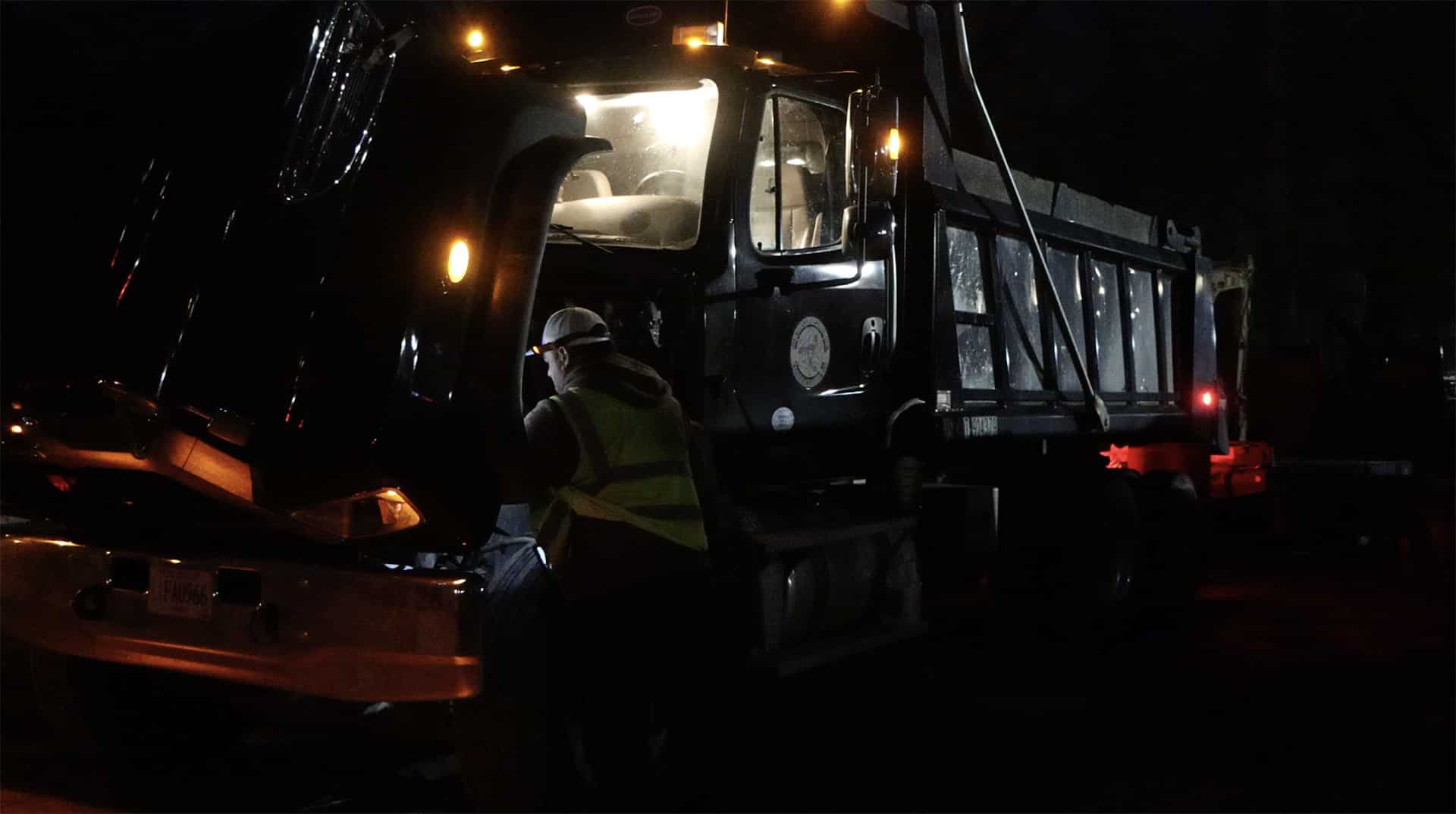
GS Construction: Replacing Paper Maintenance Logs with a Scalable, Real-Time System
Who they are: An Atlanta-based pipeline and municipal contractor with over 200 assets and 30+ years of utility construction experience
The problem: GS Construction was growing rapidly, but maintenance management hadn’t kept pace. Mechanics tracked service records on pen and paper with no way to share information across departments or crews. Problems in the field lingered until equipment went down and stayed down.
What GS Construction implemented: Tenna’s automated maintenance request and work order system, and digital inspections connecting field crews directly to the shop
The results:
- The company moved from reactive break-fix to proactive maintenance: field crews submit issues instantly, work orders are generated automatically, and problems get addressed before they cause extended downtime.
- Mechanic function scaled from one to three mechanics, because the platform made each one more self-sufficient and organized, able to manage their own work orders without a coordinator.
- Equipment uptime improved directly: when a machine has a problem, it now gets swapped or serviced quickly so production continues rather than stopping for the day.
“With Tenna, we’re not prevented from making revenue for the day because a piece of equipment is down. Everything’s running, and if something’s got a problem, it can get maintained or swapped out for another piece of equipment in a timely manner, so that production continues.” — Alessandro Salvo, CEO, GS Construction
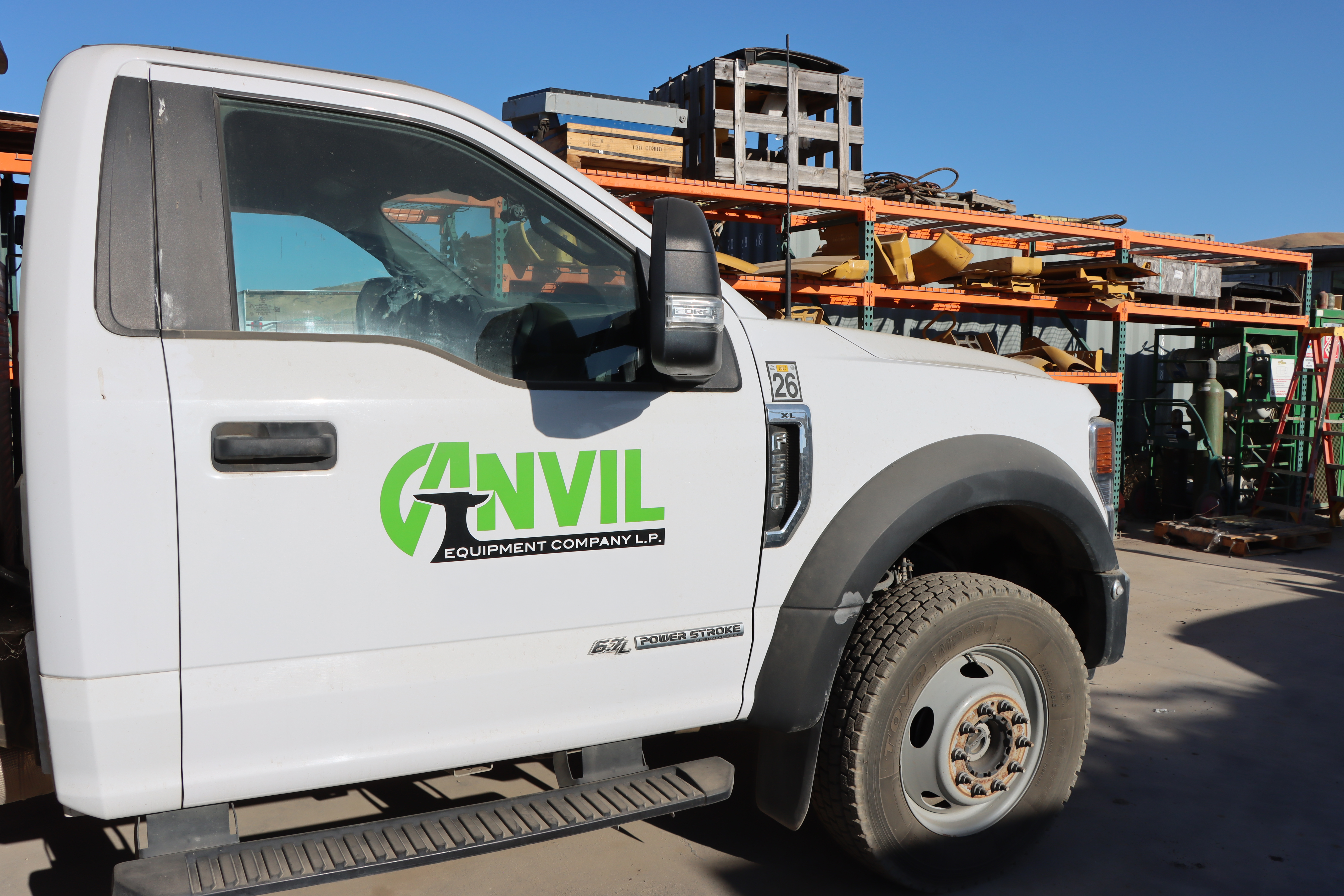
Anvil Builders: Inspections That Feed Directly into Maintenance and a Pre-Built Work Order Queue for Every Mechanic
Who they are: A heavy civil contractor specializing in underground utilities, water treatment plants, disaster cleanup, and tree removal, operating a fleet of over 2,900 assets
The problem: Maintenance at Anvil was entirely reactive because nothing connected field inspection findings to the shop. Paper inspections were inconsistent. Compliance gaps were common. Mechanics could not see upcoming work until it arrived.
What Anvil Builders implemented: Tenna’s digital inspections, maintenance management, and fleet tracking, combined into one platform so that inspection findings flowed automatically into the shop’s work order queue
The results:
- Mechanics now begin each day with a pre-built work order queue tied directly to inspection findings without any manual handoff and no information lost between field and shop.
- All work order history for every machine is visible in one place, so mechanics have full context before they start a repair.
- Custom inspections combine DVIRs, client requirements, and internal checks into a single standardized workflow, completable offline and auto-uploaded when connectivity returns.
- Small issues surfaced by daily inspections get addressed before they become major failures.
“[With Tenna], now all the mechanics know pretty much where they’re going for the next day as all the work orders are in… All the mechanics can see all the work orders have been done on that one machine and in one place. I would say that’s probably one of the biggest wins for us.” — Hayden Vreeburg, Equipment Manager, Anvil Builders
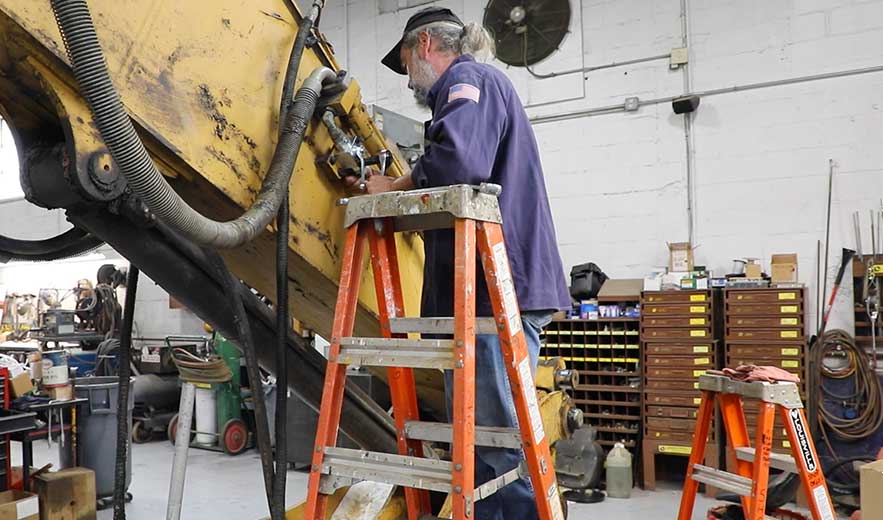
Viking Construction: Upping the Preventive Maintenance Game, From Pen and Paper to Proactive Scheduling
Who they are: A Bridgeport, CT-based commercial and institutional contractor with over 100 pieces of equipment across complex, multi-million dollar projects
The problem: Viking ran entirely on whiteboards, memory, and tribal knowledge. Maintenance scheduling was informal, relying on long-term employees to know what needed service and when. New employees had no standard procedures to follow. There was no way to track machine hours across the fleet.
What Viking Construction implemented: Tenna’s equipment preventive maintenance scheduling, tracking PMs by usage hours and machine thresholds, plus DVIR digital inspections with automatic work order creation
The results:
- Dramatically improved ability to monitor upcoming preventive maintenance activities based on machine hours and usage, something the team had no capability to do before Tenna.
- DVIRs automatically create work orders when issues are flagged, catching problems before they escalate into larger repairs.
- Equipment history now drives proactive fleet replacement decisions rather than waiting for machines to break down at the worst possible moment.
- Maintenance visibility gave the Director of Site Operations real-time clarity on which machines were coming out of service and when, enabling better short and long-term planning.
“I’d say that Tenna has really helped us up our game as far as preventative maintenance is concerned, including our ability to really monitor upcoming preventative maintenance activities, based on either usage or hours on the machine, in a way that we weren’t capable of doing before.” — Myles Fayle, Director of Site Operations, Viking Construction
“The biggest savings for us is being more proactive instead of reactive.” — Anthony Gaglio, Jr., VP, Viking Construction
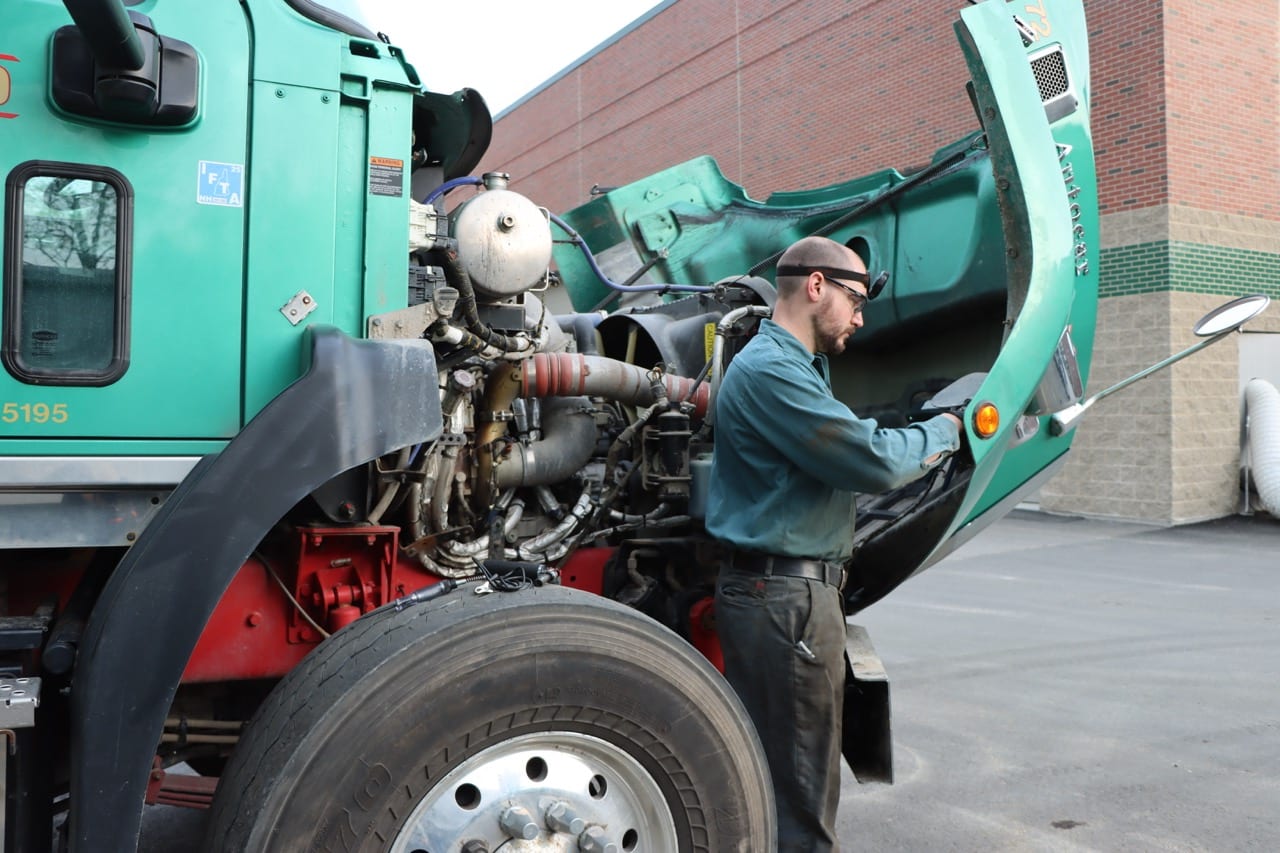
Severino Trucking: Proactive Preventive Maintenance and $25,000 in Annual Rental Savings
Who they are: A New Hampshire civil contractor with 150+ employees focused on site and highway construction, managing more than 100 pieces of heavy and specialty equipment
The problem: Severino’s shop had no reliable way to schedule preventive maintenance across a distributed fleet. Without real-time engine hours, mechanics couldn’t make accurate service schedules. Field service also relied on guesswork about machine locations and technician travel distance.
What Severino implemented: Tenna’s GPS telematics, BLE beacons, and OEM telematics integration, giving mechanics daily engine hour data tied to real-time equipment locations
The results:
- The company shifted entirely from reactive to proactive preventive maintenance. Daily hour collection gives mechanics accurate, current insight into machine health.
- Mechanics can now build realistic PM schedules based on actual usage rather than estimated intervals.
- Accurate location data combined with proactive scheduling allowed the team to plan field service more efficiently and reduce travel time.
- Reduced unnecessary equipment rentals by keeping owned equipment maintained and available, saving $25,000 per year.
“We can now focus on being proactive with PMs and not reactive. Collecting hours daily gives our mechanics better insight into the health of our machines and allows them to create more realistic schedules.” — Pat L., Project Manager, Severino Trucking
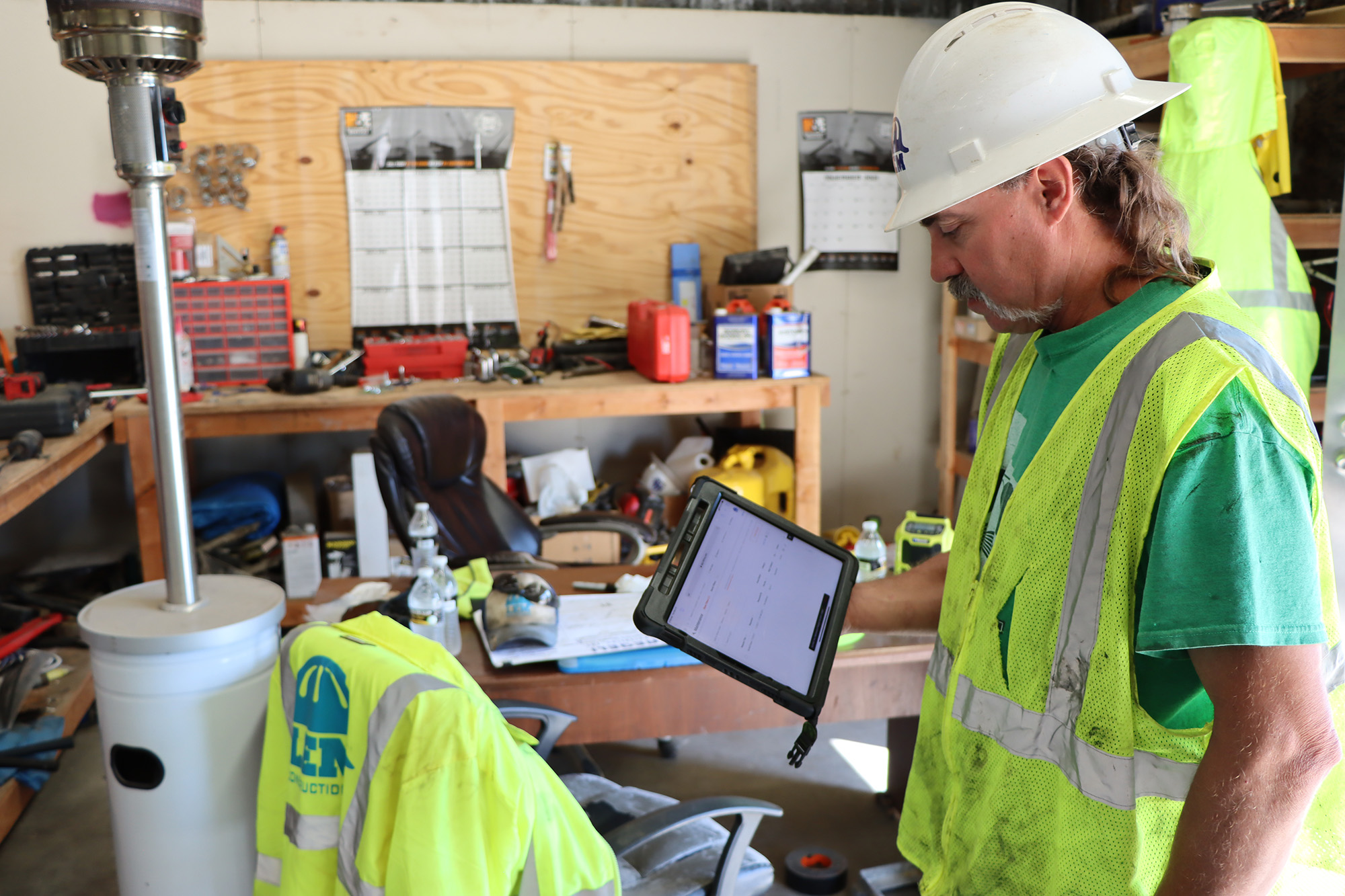
LEM Construction: Automated Preventive Maintenance Reminders and Accurate Financials, Integrated with Sage
Who they are: A Houston, Texas general contractor in business for over 50 years, operating a mixed heavy equipment fleet including excavators, cranes, dozers, compactors, and more
The problem: LEM’s maintenance process was entirely manual and hard to scale. There was no system to alert the shop when service was due. There was no way to prioritize the work queue. There was no link between maintenance costs and the accounting system.
What LEM implemented: Tenna’s equipment preventive maintenance scheduling with automated reminders and a full Sage ERP integration that feeds maintenance cost data directly into financial reporting
The results:
- Maintenance scheduling became automated. The equipment manager can now see which assets have upcoming PMs, which are already overdue, and prioritize the shop’s daily and weekly workflow accordingly.
- Integrated with Sage to give financial teams up-to-date maintenance cost data for smarter buy-versus-rent and fleet replacement decisions.
- Removed the manual burden of tracking service intervals, freeing the equipment manager and mechanics to focus on the work rather than the administration of the work.
“[Tenna’s Maintenance] helps me know when the assets’ preventative maintenance is coming up, which assets are already there, and how to prioritize getting stuff done throughout the day and the week.” — Mike H., Equipment Manager, LEM Construction
“I can’t imagine going back to the old way. Tenna has been the best thing for us.” — LEM Construction Equipment Manager
What These Real Contractor Stories Have in Common
Across every one of these contractors, the pattern is the same. Before Tenna, equipment preventive maintenance was informal. It relied on mechanics’ memory, paper logs, and reactive field calls. After implementing Tenna’s equipment maintenance software, three things happened consistently:
Maintenance became schedulable. Hour-based and date-based PM triggers send automated alerts that mechanics and managers can plan around. They avoid finding overdue service only after a breakdown.
Problems surfaced earlier. Digital inspections and DVIR workflows created a direct line from operator to shop. Field teams logged issues and auto-generated work orders, so they addressed problems in hours instead of days.
The shop got organized. When mechanics have a pre-built work queue, full repair history per machine, and automated reminders, they can work independently and efficiently, which is why multiple contractors in this post were able to scale their mechanic teams without adding administrative overhead.
See How Tenna’s Preventive Maintenance Software Can Work for Your Fleet
The contractors featured in this post came in with different fleet sizes, different trades, and different pain points, but they all solved the same underlying problem: moving from a reactive, memory-dependent maintenance culture to a proactive, data-driven one.
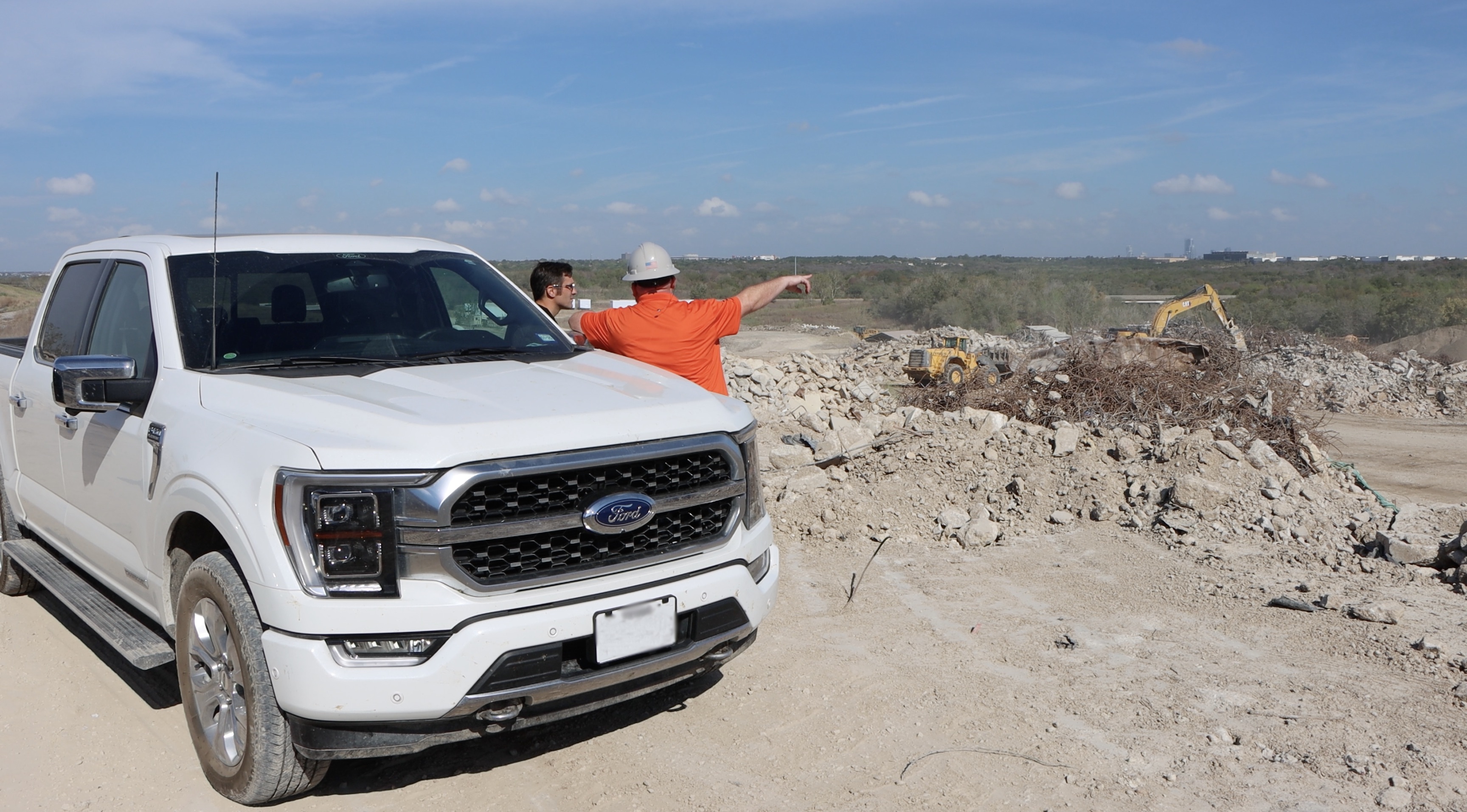
Procurement Strategy Should Match Your Operational Strategy
Captive insurance pressure isn’t going away. If anything, mandates around driver monitoring, video telematics, and fleet safety technology will become more prescriptive over time. That pressure is real, and responding to it is not optional.
But there’s a meaningful difference between reactive fleet procurement and strategic fleet procurement.
Reactive procurement solves the immediate compliance requirement and often creates a new set of operational problems in the process. Strategic fleet procurement treats the compliance requirement as a catalyst to invest in broader operational capability: unified asset visibility, centralized workflows, integrated data, and a technology foundation that scales with the business.
Smart fleet procurement in construction means thinking beyond trucks, and investing in platforms that support the entire operation, not just the assets that show up on your insurance schedule.
The contractors who win over the next decade won’t be the ones who bought the most features. They’ll be the ones who built the most cohesive operational systems and made technology procurement decisions that served the whole business, not just the function that was feeling the most pressure at the time.