Updated March 11, 2026
Construction telematics solutions help construction businesses track and monitor their equipment fleet with features like GPS/cellular tracking, onboard sensor data, and real-time analytics. Telematics software leverages a combination of different technologies to improve fleet visibility, efficiency and uptime.
But telematics systems may mean different things to different end users and industries. If you are a contractor looking to implement telematics or switch to another provider, it’s important to understand how each platform aligns with construction workflows and mixed fleet management.
As you evaluate telematics providers, look for a solution that:
- Is built specifically for construction companies and workflows — not just for a generic fleet management solution.
- Tracks and manages your entire mixed fleet on one platform, from on-road vehicles and trucks to heavy machinery, attachments, tools, parts, and consumables.
- Integrates with the software your teams rely on, including enterprise resource planning (ERP) systems, original equipment manufacturer (OEM) systems, and other construction project management tools.
Below, we’ve compiled some of the best construction telematics software for 2026, including their features, advantages, limitations, and ideal use cases.
What Is Construction Telematics Software?
Construction telematics software uses GPS tracking, sensors, and data analytics to monitor equipment location, usage, fuel consumption, and maintenance needs in real time.
These platforms help contractors manage fleets more efficiently by:
- Tracking asset location across jobsites
- Monitoring equipment utilization and idle time
- Automating maintenance scheduling
- Capturing machine diagnostics and fault codes
- Improving safety and compliance
- Integrating equipment data into operational and financial systems
Compared to general fleet telematics tools, construction telematics platforms often include heavy equipment maintenance and mixed-fleet visibility. Read more about what is a construction telematics system.
1. Tenna: Construction-First Mixed Fleet Telematics, Safety, and Maintenance
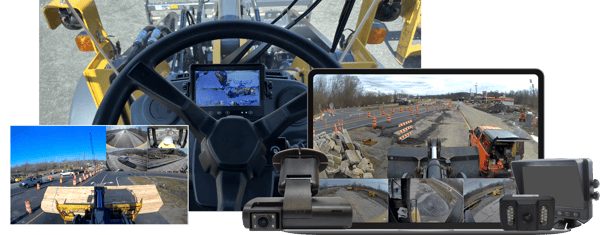
Best for heavy-equipment-centric mixed fleets because it combines OEM/CAN machine data with automated hour-based maintenance and full visibility across equipment, vehicles, tools, and materials.
Core Capabilities
Tenna provides construction equipment management software that allows contractors to track asset locations, monitor equipment usage, and manage fleet operations through a centralized platform.
Using GPS equipment tracking devices and telematics technology, contractors gain visibility into:
- Equipment location
- Engine performance
- Utilization patterns
- Maintenance needs
- Jobsite logistics
Tenna captures onboard diagnostic and CAN bus data from telematics devices, delivering operational metrics such as engine hours, fuel consumption, acceleration patterns, and diagnostic trouble codes.
These insights support better decisions for dispatch planning, preventive maintenance, inspections, and resource allocation.
Integrations
Tenna integrates with many systems used across construction operations:
- ERP integrations
Sage, Viewpoint, Foundation and others - OEM integrations
CAT, John Deere, Volvo, Komatsu and more - Project management integrations
Procore, B2W, RiskCast and other construction software
Compliance Support
Tenna’s Safety & Compliance tools include:
- Electronic Logging Device (ELD) functionality
- IFTA mileage tracking
- Digital inspection scorecards
- Safety analytics and compliance reporting
These tools help contractors maintain regulatory compliance while improving operational safety.
Maintenance Management
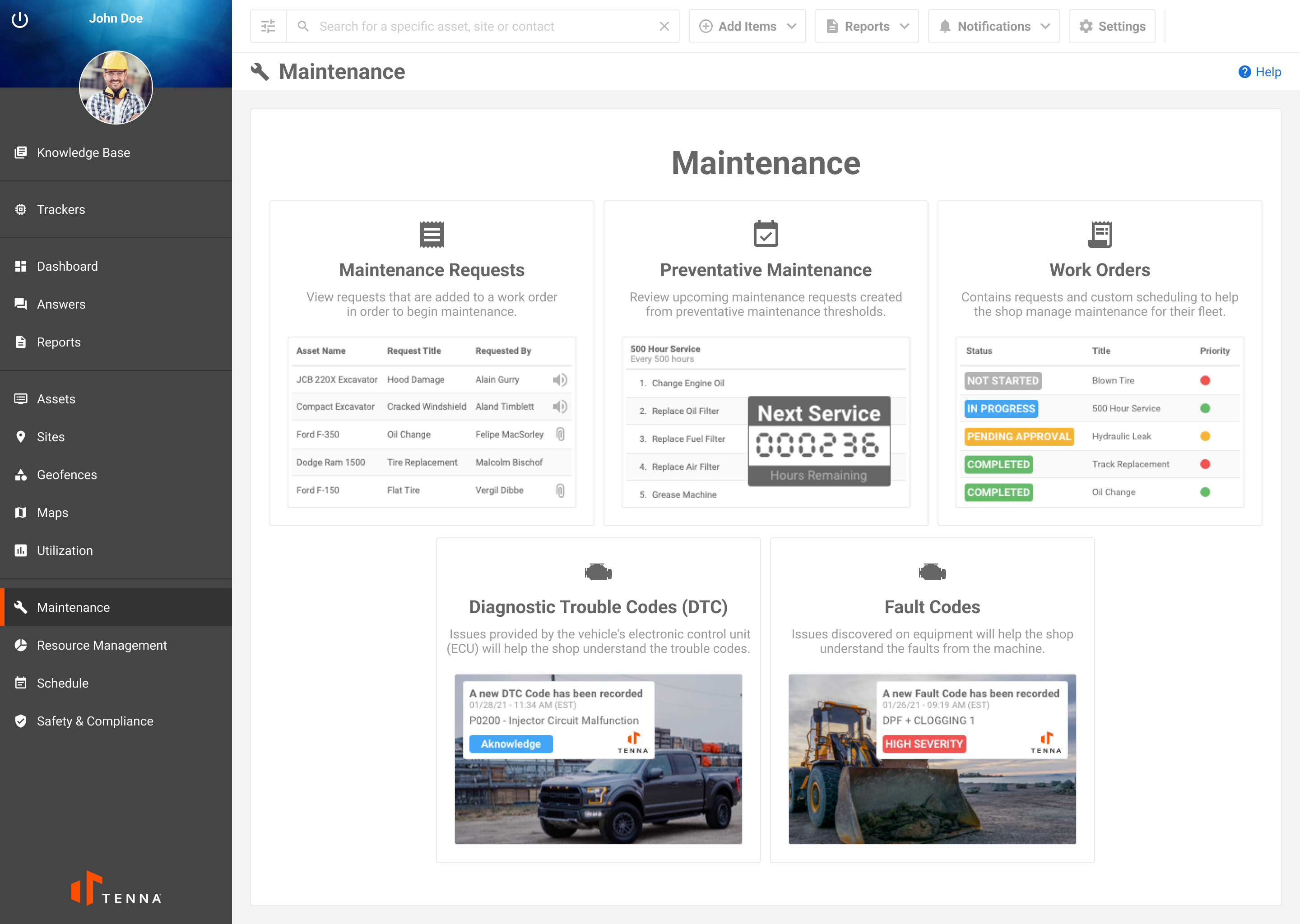
Tenna automates preventive maintenance scheduling based on:
- Engine hours
- Mileage
- Calendar intervals
When vehicles or equipment generate diagnostic trouble codes or fault alerts, maintenance teams receive immediate notifications.
Additional maintenance features include:
- Work order management
- Field maintenance requests via mobile app
- Parts inventory management
- Mechanic time tracking
Video and Safety Tools
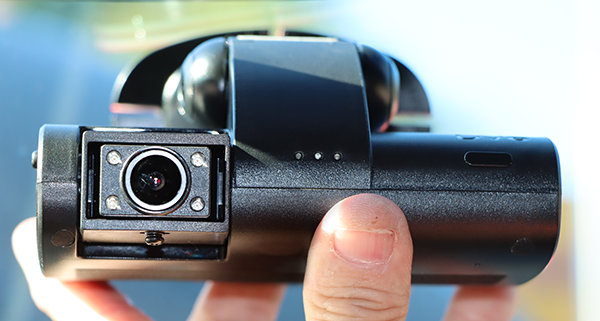
Tenna offers AI-powered video telematics with:
- Forward-facing and inward-facing AI fleet dash cameras
- Real-time driver safety alerts
- Automatic incident video capture
- Connected driver scorecards
- Heavy equipment AI camera systems that improve operator visibility and reduce blind spots
- Operations scorecards to ensure inspections and operator accountability
Notable Limitations
Tenna is purpose-built for construction operations, so organizations outside construction may find the platform more specialized and robust than necessary.
Ideal Use Cases
- Contractors managing mixed fleets
- Construction companies requiring machine-hour maintenance automation
- Equipment managers seeking complete fleet visibility
2. HCSS Telematics: Construction GPS Tracking With ERP and Estimating Integrations
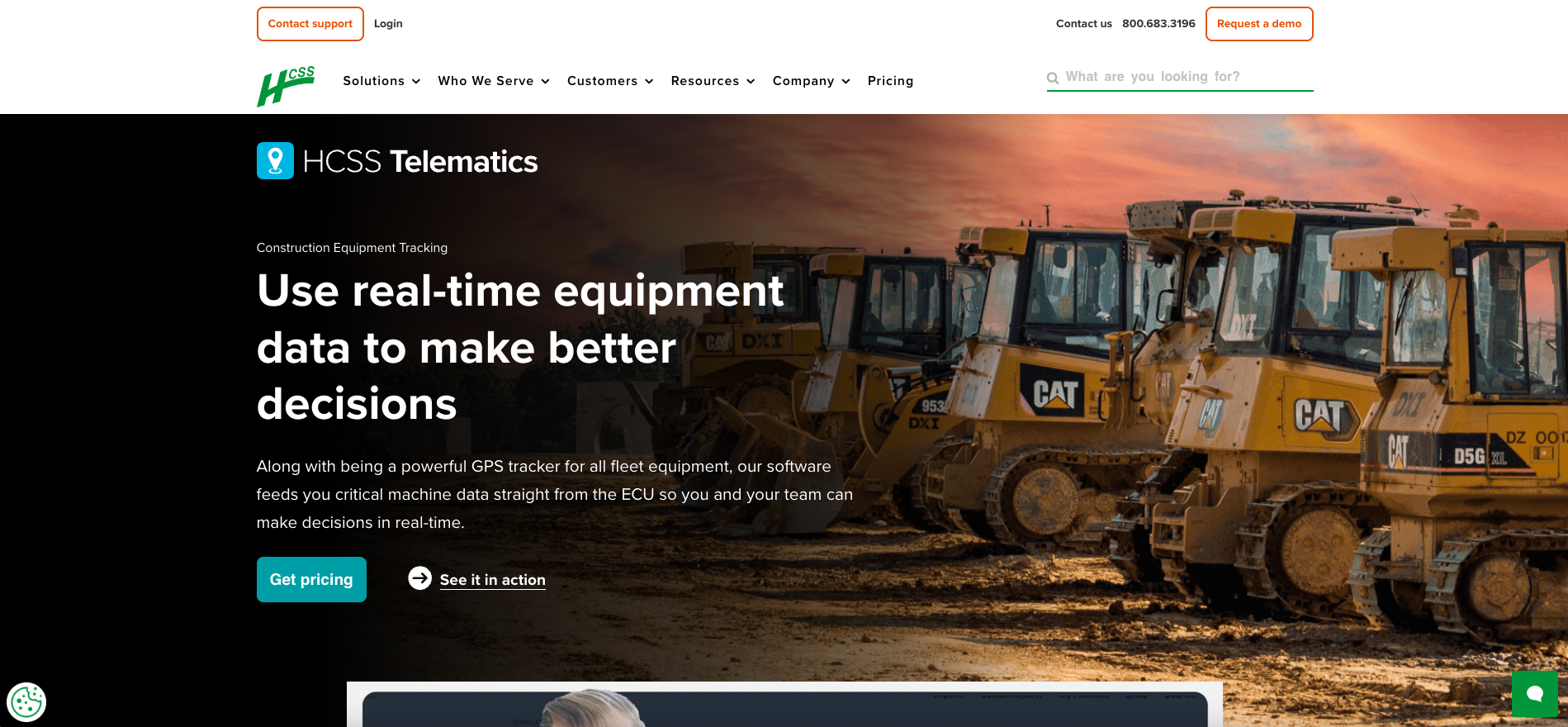
Best for contractors already using HCSS construction software because of its tight integration with estimating, dispatch, and operational workflows.
Core Capabilities
HCSS Telematics captures machine data directly from equipment ECUs using plug-and-play telematics hardware. The system provides:
- GPS equipment tracking
- Engine diagnostics
- Utilization monitoring
- Fuel consumption tracking
- Maintenance alerts
Integrations
HCSS integrates with:
- ERP platforms
Sage, JD Edwards, Viewpoint - Construction platforms
Procore, HCSS Dispatcher - OEM systems
CAT, John Deere, Volvo, Komatsu
Compliance Support
HCSS supports compliance monitoring with:
- ELD tracking
- Driver safety monitoring
- Operational reporting
Maintenance Management
- Maintenance alerts from diagnostic data
- Preventive service scheduling
Video and Safety Tools
Limited built-in video telematics functionality.
Notable Limitations
- Some features require multiple subscriptions.
- Mobile app reliability issues reported by some users.
- Per-user pricing can become expensive.
Ideal Use Cases
- Contractors using HCSS software ecosystem
- Companies prioritizing estimating and dispatch integration
3. Samsara: Fleet Telematics With Strong Camera Ecosystem
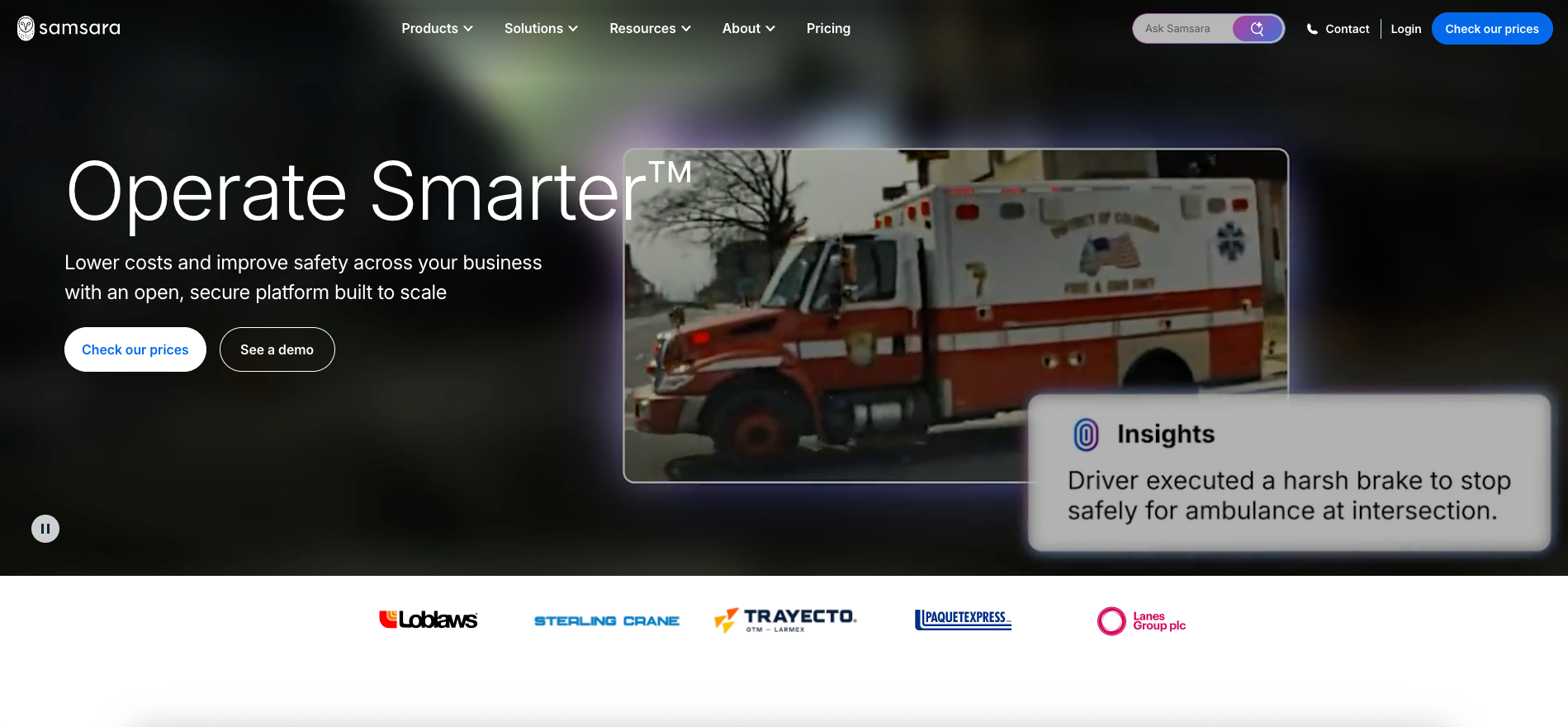
Best for large vehicle fleets prioritizing driver safety because of its AI dashcam platform and enterprise fleet analytics.
Core Capabilities
Samsara combines GPS tracking, telematics hardware, and cloud analytics to monitor vehicles and equipment.
Features include:
- Real-time GPS tracking
- Geofencing alerts
- Fuel monitoring
- Vehicle diagnostics
- Live location sharing and ETA prediction
Integrations
Integrates with:
- OEM equipment systems
- Fleet and logistics software
- Construction tools such as Procore and B2W
Compliance Support
- ELD compliance
- Driver hours tracking
- Regulatory reporting
Maintenance Management
Mileage-based maintenance alerts and vehicle diagnostic monitoring.
Video and Safety Tools
- AI-enabled dash cameras
- Driver safety event detection
- Video coaching and incident review tools
Notable Limitations
- Focuses heavily on on-road vehicle fleets
- Less robust for heavy equipment operations
Ideal Use Cases
- Vehicle-centric fleets
- Logistics-heavy contractors
- Companies prioritizing driver safety
4. Lytx: Video Telematics Platform Focused on Driver Safety
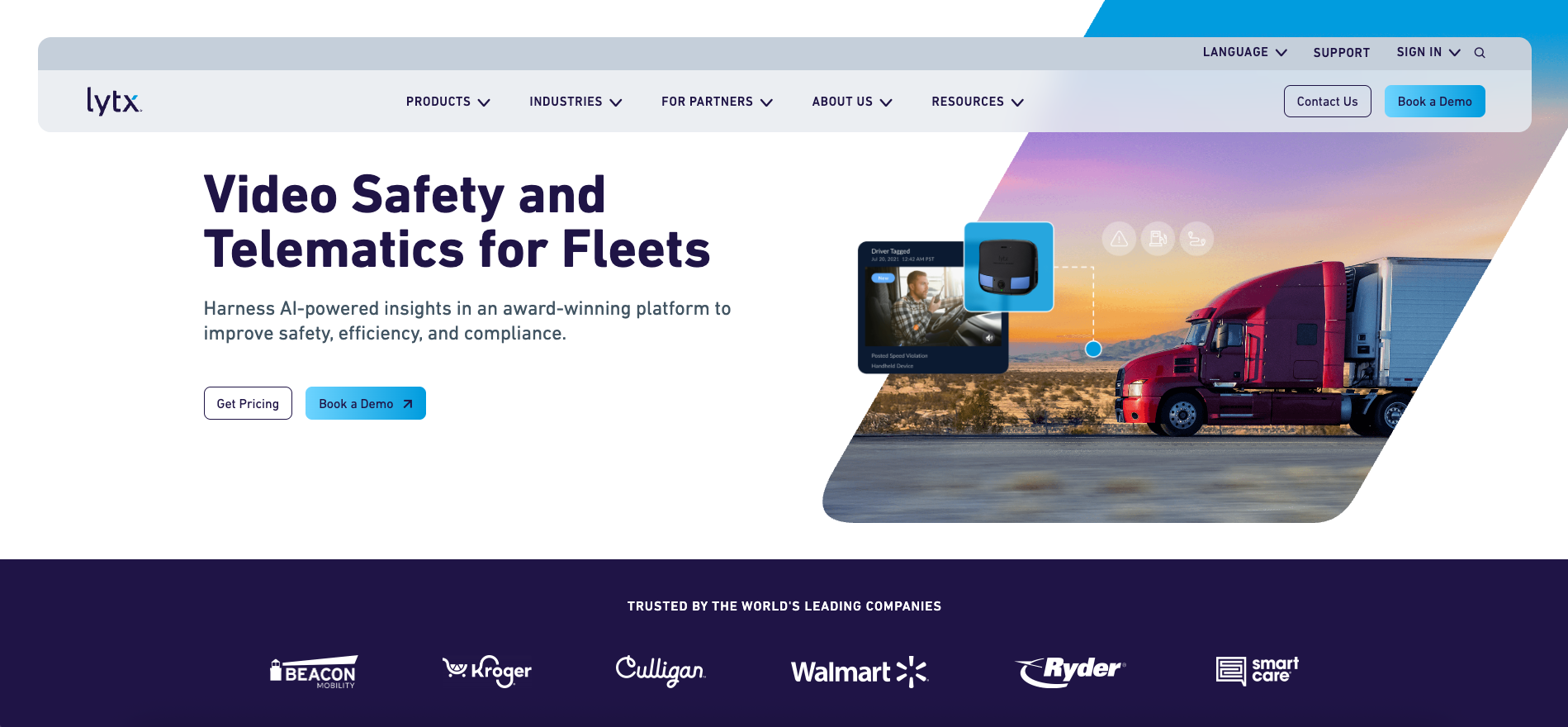
Best for fleets prioritizing video-based safety programs because of its AI video telematics platform and driver coaching tools.
Core Capabilities
Lytx combines GPS tracking with AI video analytics and driver monitoring.
Integrations
Limited integrations with construction ERP and OEM systems.
Compliance Support
- Driver behavior monitoring
- Safety reporting tools
Maintenance Management
Basic maintenance reminders only.
Video and Safety Tools
- AI video telematics
- Real-time safety alerts
- Driver coaching analytics
- Searchable video archives
Notable Limitations
- Limited equipment telematics capabilities
- Lacks construction-specific integrations
Ideal Use Cases
- Safety-focused fleets
- Companies implementing driver coaching programs
5. Motive: Fleet Telematics With AI Safety Cameras and Logistics Tools
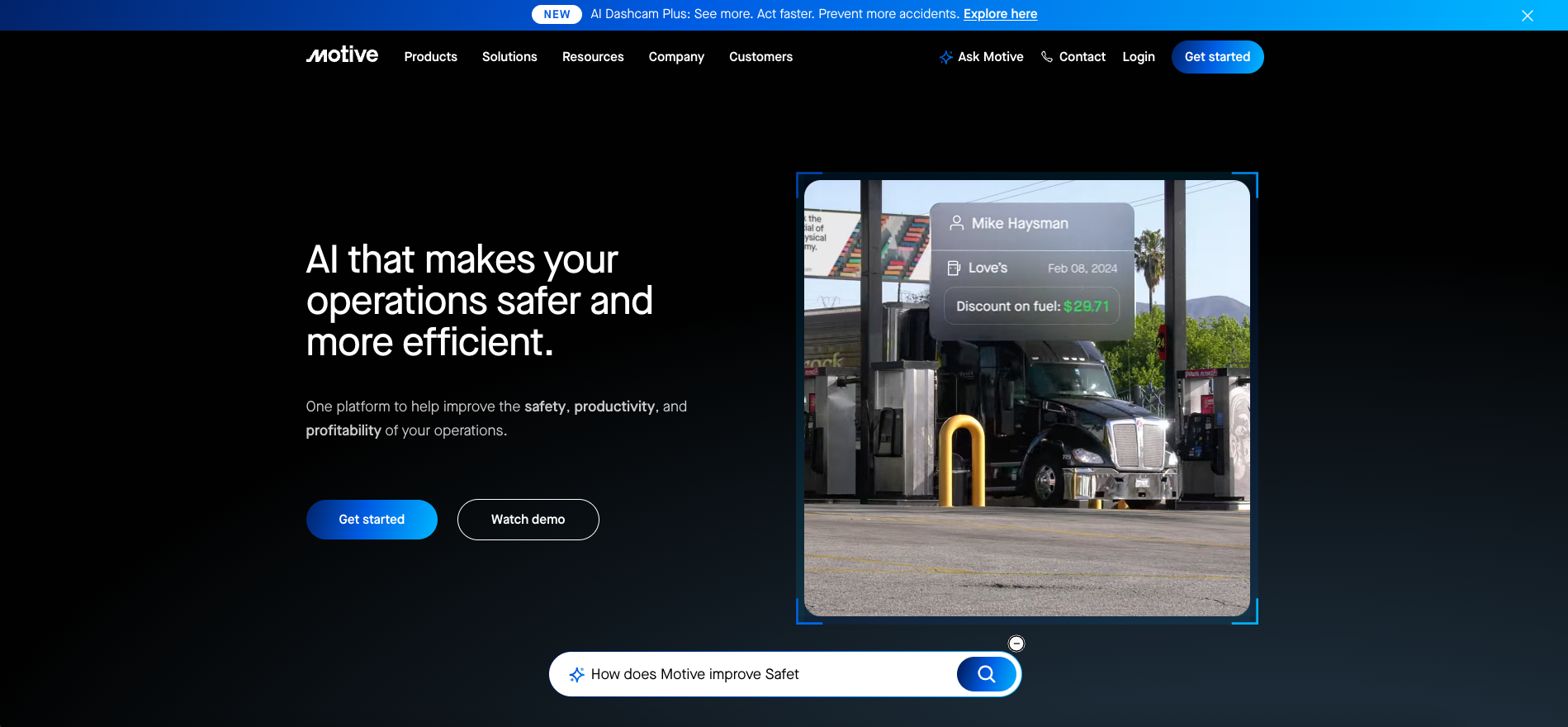
Best for transportation-heavy fleets needing telematics and driver monitoring in a single system.
Core Capabilities
Motive offers GPS fleet tracking combined with driver monitoring and vehicle diagnostics.
Integrations
OEM integrations exist but limited construction software integrations.
Compliance Support
- ELD compliance
- IFTA tracking
- DVIR reporting
Maintenance Management
Preventive maintenance alerts based on mileage and engine diagnostics.
Video and Safety Tools
AI dashcams linking telematics data with driver safety events.
Notable Limitations
- Limited construction ERP integrations
- Minimal non-powered asset tracking
Ideal Use Cases
- Logistics-heavy contractors
- Transportation fleets
6. Teletrac Navman: Fleet Compliance and GPS Tracking Platform
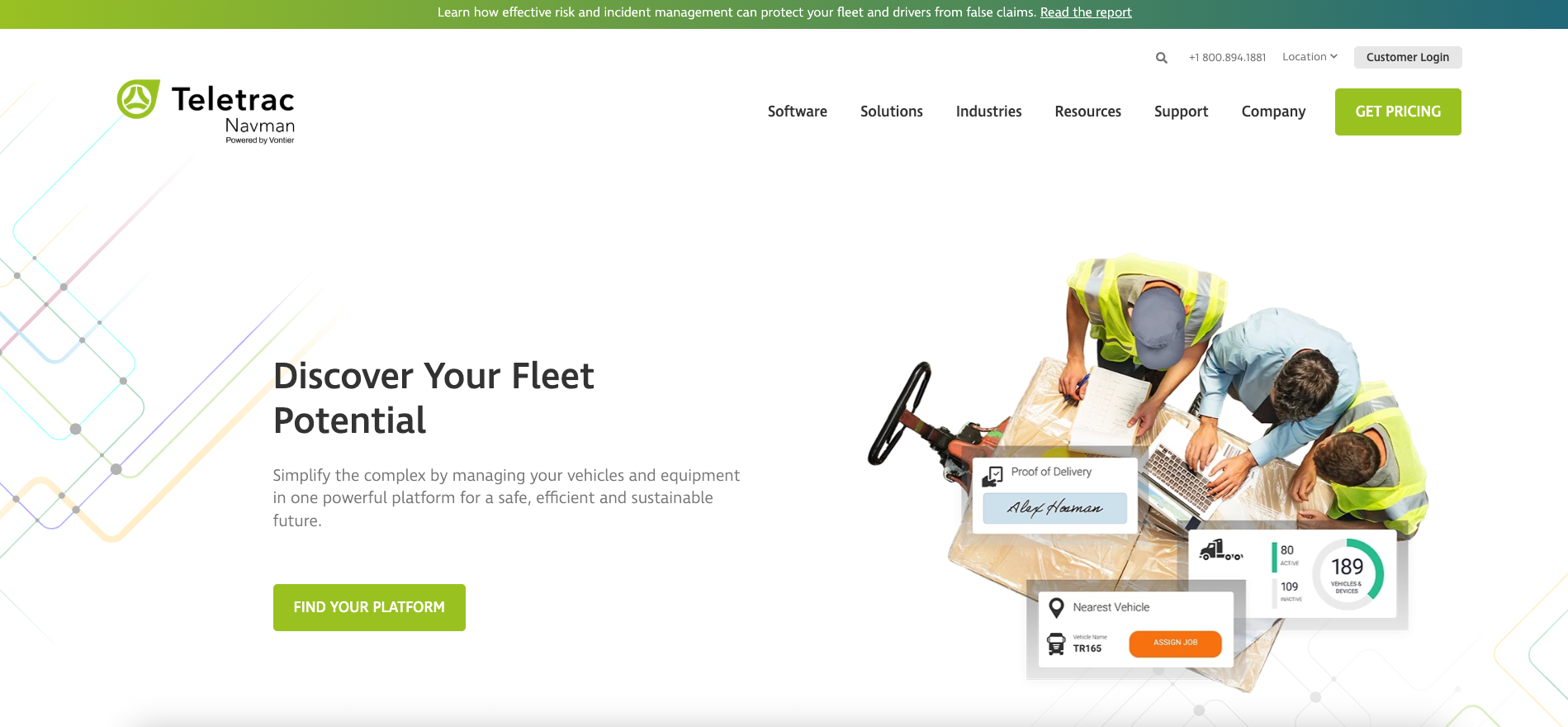
Best for fleets needing strong compliance tools and telematics analytics across multiple industries.
Core Capabilities
- GPS fleet tracking
- Equipment utilization analytics
- CAN bus data monitoring
Integrations
- Oracle ERP
- Procore
- B2W
Compliance Support
- ELD
- HOS tracking
- DOT inspection reporting
Maintenance Management
Maintenance alerts and diagnostic monitoring.
Video and Safety Tools
Dual-camera AI dashcam systems.
Notable Limitations
- Hardware reliability concerns reported by some users
- Not designed specifically for construction
Ideal Use Cases
- Compliance-heavy fleets
- Multi-industry fleet operations
7. Trackunit: Equipment Telematics Platform With OEM Integrations
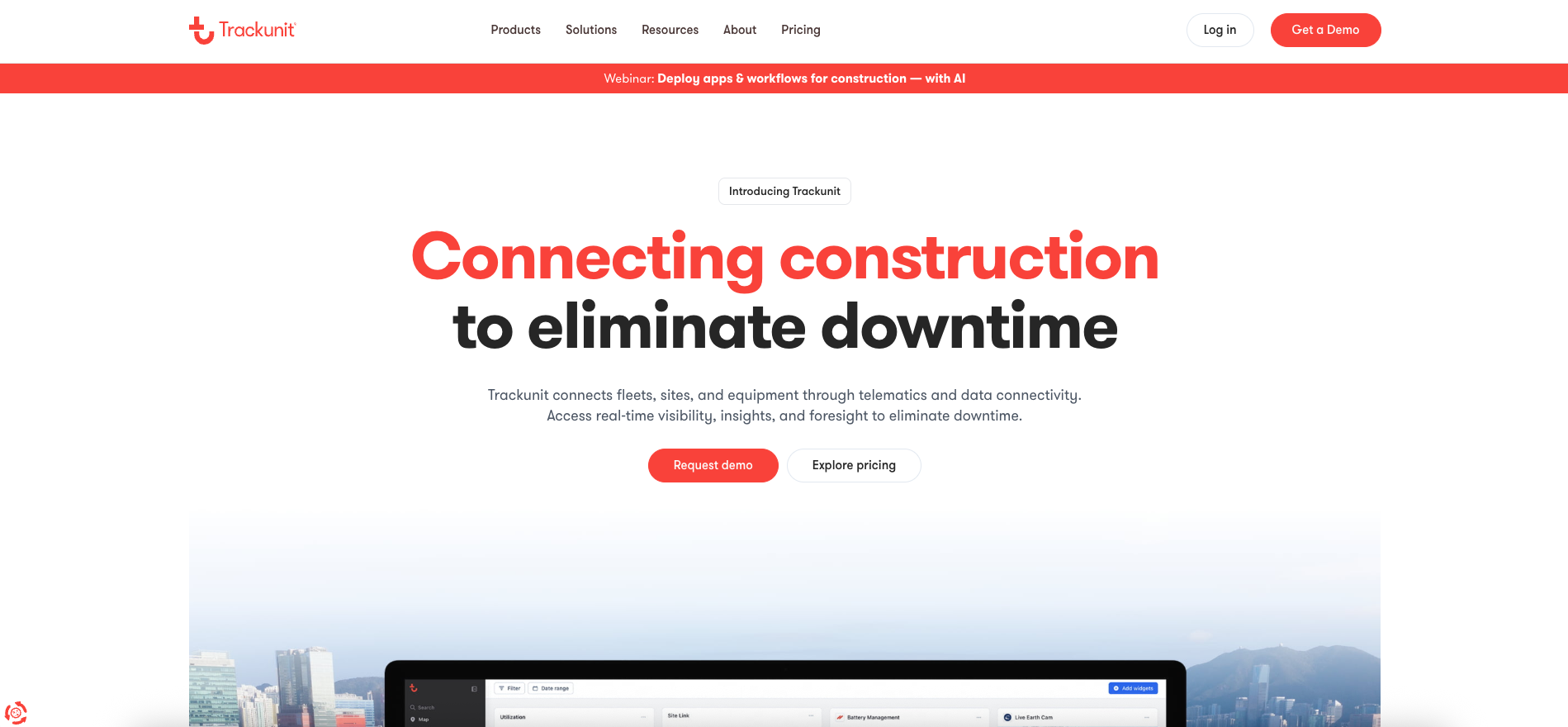
Best for contractors prioritizing equipment telematics and OEM machine data across mixed fleets.
Core Capabilities
Trackunit connects construction equipment through IoT devices capturing:
- Location
- Usage
- Equipment health
- Machine diagnostics
Integrations
- OEM integrations include:
CAT, Volvo, JCB and others - Construction software integrations include:
Viewpoint and B2W
Compliance Support
Limited compliance features compared to fleet-first telematics providers.
Maintenance Management
Predictive maintenance analytics using machine data and service plans.
Video and Safety Tools
No native video telematics platform.
Notable Limitations
- Lacks built-in video telematics
- Limited ELD and compliance tools
Ideal Use Cases
- Equipment-heavy fleets
- Contractors prioritizing OEM machine data
Best Construction Telematics Software Pick (2026)
Best Pick: Tenna
Tenna brings together everything contractors need to manage mixed construction fleets in one platform. Track heavy equipment, on-road vehicles, parts, tools, attachments, consumables and more from a single dashboard designed specifically for construction workflows.
Instead of managing separate systems for tracking, utilization, maintenance, dispatching, safety and compliance, Tenna combines:
- Real-time equipment location tracking
- Equipment health monitoring
- AI-powered safety cameras
- Automated maintenance scheduling
- Telematics-driven dispatching
The result is improved fleet visibility, reduced downtime, and better equipment utilization across every jobsite.
Construction Telematics Software FAQs
What is construction telematics software?
Construction telematics software uses GPS tracking, sensors, and data analytics to monitor equipment and vehicle activity in real time. These systems track asset locations, monitor utilization, capture fuel usage data, and automate maintenance scheduling to help construction companies manage fleets more efficiently.
What features should I look for in construction telematics software?
Key features to look for include:
- GPS tracking for equipment and vehicles
- Geofencing to monitor jobsite movement
- Equipment utilization and idle monitoring
- Automated preventive maintenance alerts
- Mobile app access for field teams
- Compliance tools such as ELD, IFTA, and DVIR
- Integrations with ERP systems and OEM equipment platforms
These capabilities help contractors improve fleet visibility, safety, and operational efficiency.
How does telematics help with equipment maintenance?
Telematics enables automated preventive maintenance scheduling based on engine hours, mileage, or calendar intervals using real equipment data.
When machines generate fault codes or diagnostic trouble codes, the system alerts maintenance teams immediately so they can address issues before they become major repairs. This helps reduce downtime, extend equipment lifespan, and lower maintenance costs.
Can telematics track both vehicles and heavy equipment?
Yes. Comprehensive construction telematics platforms can track entire mixed fleets on a single platform, including:
- On-road vehicles and trucks
- Heavy construction equipment
- Attachments
- Tools and smaller assets
- Parts and consumable materials
Mixed-fleet visibility allows contractors to manage all fleet assets across jobsites from one system.
What is video telematics and how does it improve safety?
Video telematics uses AI-enabled dash cameras with forward-facing and inward-facing views to monitor driver behavior.
These systems can detect unsafe driving behaviors in real time, trigger in-cab alerts, and automatically capture video footage during incidents. Video evidence can support driver coaching, insurance claims, and legal protection while helping fleets reduce accident risk.
How does telematics help with compliance?
Telematics platforms support regulatory compliance by providing:
- ELD functionality that records driving time and alerts drivers when breaks are required
- IFTA reporting that automatically tracks mileage across jurisdictions
- Digital Driver Vehicle Inspection Reports (DVIR) for DOT compliance
These tools simplify compliance reporting while reducing paperwork for fleet managers and drivers.
Does construction telematics software integrate with other systems?
Yes. Leading construction telematics platforms integrate with many business systems, including:
- ERP systems: Sage, Viewpoint, Foundation
- OEM equipment platforms: Caterpillar, John Deere, Volvo, Komatsu
- Construction management tools: Procore, B2W
To name a few.
These integrations allow equipment data to flow across financial, project management, and operations workflows.
How does telematics reduce equipment costs?
Telematics reduces equipment costs by helping contractors:
- Optimize fuel consumption and reduce idle time
- Prevent expensive breakdowns with early fault alerts
- Improve equipment allocation across jobsites
- Reduce unnecessary rentals
- Increase asset utilization
By turning equipment data into actionable insights, telematics platforms help contractors improve fleet ROI and overall operational efficiency.