Updated December 8, 2025
Running a construction business means juggling many risks, from equipment breakdowns and theft to job-site accidents and liability claims. All of these risk factors influence your insurance premiums. But by using a comprehensive equipment management system, contractors can show insurers that they are proactively controlling risk — often leading to lower rates and more favorable policy terms.
Below, we break down how equipment management directly impacts construction business insurance costs and how firms can use technology to strengthen their safety and risk profile.
Why Construction Businesses Face High Insurance Premiums
Insurers evaluate construction risk based on several factors:
- Accident frequency and severity. Jobsite or operations related workers comp incidents, equipment collisions, and vehicle crashes are expensive for insurers. Any pattern of claims leads to higher premiums.
- Equipment breakdowns and maintenance issues. When assets fail unexpectedly, they increase both project risk and liability exposure.
- Theft and unauthorized equipment use. Construction equipment theft continues to rise nationwide. Assets without telematics or location data are a significant insurance red flag.
- Lack of compliance documentation. Missing inspection logs, incomplete operator certifications, or poor maintenance records increase risk for insurers.
- Limited visibility across fleet operations. Contractors struggle to prove they’re operating safely due to lack of documentation and telemetry data.
This is where modern equipment management platforms easily change the game.
How Equipment Management Helps Reduce Insurance Risk
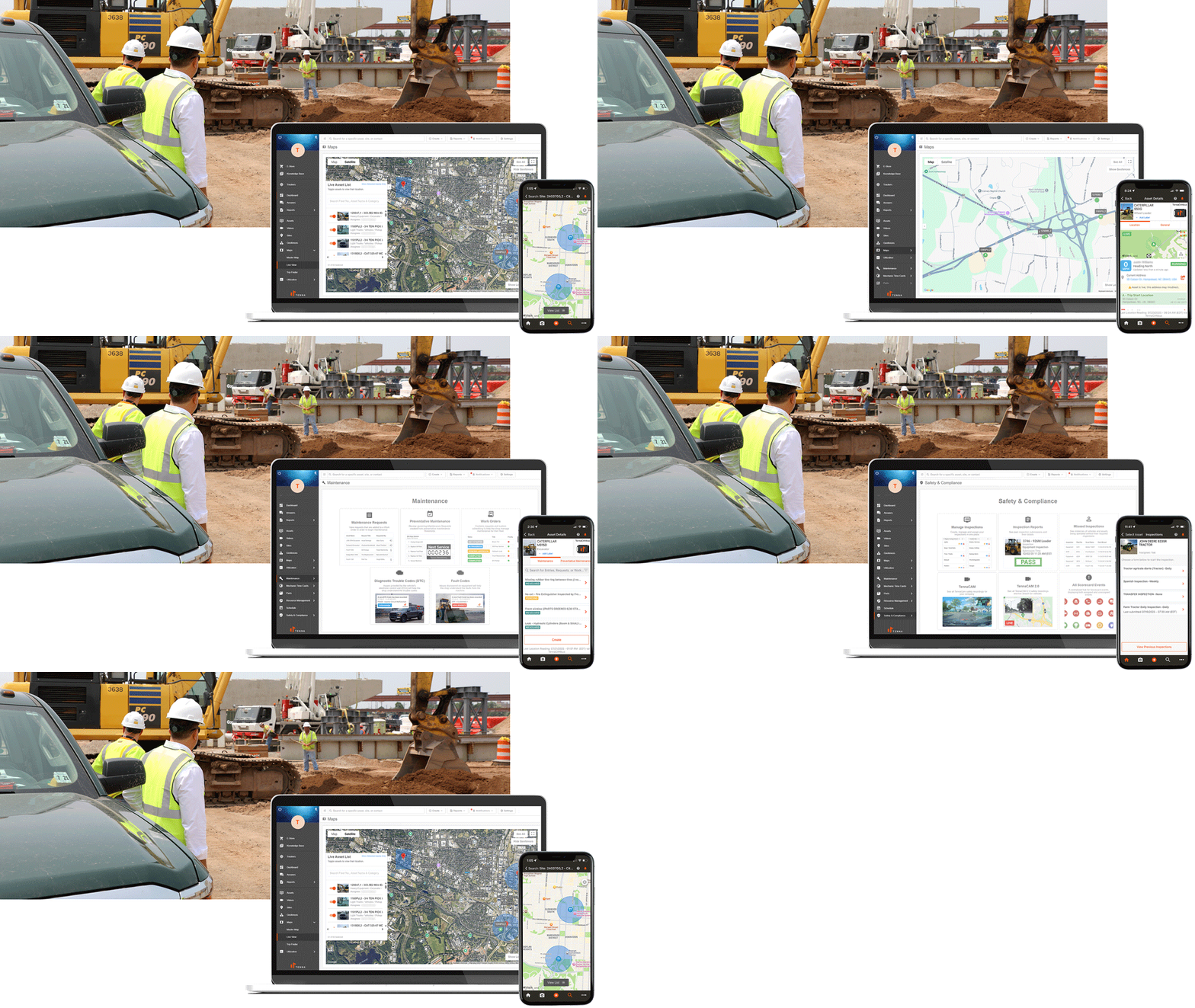
The best equipment management technology that spans asset tracking, maintenance, inspections, and fleet safety does more than just streamline operations. It signals to insurers that your business is serious about risk mitigation. Here’s how:
Lower Risk of Equipment Breakdowns
Using preventive maintenance scheduling and timely repairs reduces the likelihood of catastrophic equipment failures. Insurers often view well-maintained fleets more favorably, because breakdowns can lead to faulty equipment, preventable accidents, increased liability, and in some cases, additional claims.
Consistent maintenance and tracking records create a documented history of care — a powerful tool when negotiating rates.
Improved Safety On-site, On-road, and Everywhere in Between
A structured inspection program flags hazards before they turn into accidents. Whether it’s pre-use equipment inspections or regular compliance checks, these practices show a commitment to safety. With safety documentation, you reduce the odds of worker injuries and liability claims — both factors that insurers weigh heavily.
Additionally, AI dash cams offer video footage and live coverage of risky behaviors on road and on site, so you can correct behaviors before they happen.
Enhanced Asset Protection and Theft Prevention
Modern systems often include tracking technologies (BLE trackers, GPS units, geofences) to monitor asset locations, even for small tools or consumables. This discourages theft and unauthorized use.
Reduced risk of loss or theft decreases insurers’ exposure, which can lead to lower premiums, or at least stronger coverage terms.
Reduced Downtime and Fewer Business Claims
Equipment breakdowns or theft can stall projects, which can lead to costly delays or even breach-of-contract issues downstream. By minimizing downtime through good maintenance, asset tracking, and video telematics, contractors avoid those interruptions.
Insurers may view companies with documented reliability and continuity as lower risk, which can help with both premiums and coverage negotiation.
Increased Visibility Across Your Entire Operations
One of the biggest advantages of modern equipment management — and one of the factors insurers care about most — is increased visibility across all fleet operations. When contractors can see what’s happening in real time, they can manage risk proactively rather than reactively.
This visibility is driven by the combination of telematics, geolocation data, and especially AI-powered dash cams and heavy equipment cameras.
The Construction Technology that Matters for Insurance
Today’s equipment-management platforms go far beyond simple asset tracking. By integrating AI dash cams, driver scorecards, compliance monitoring, and structured inspections, contractors gain powerful tools to manage risk and driver and operator safety more proactively. These capabilities have direct relevance when it comes to construction business insurance.
The Value of AI Dash Cams for Construction Fleets & Equipment
- Clear, indisputable evidence for accidents or incidents. AI-enabled dash cams record events on road and work sites, so when accidents happen, you have video evidence. That clarity helps insurers determine cause or fault quickly and appropriately, reducing disputes, fraudulent claims, and lengthy litigation.
- Improved driver and operator behavior via coaching and feedback. Systems that feed AI data into driver or operator scorecards help fleet and safety managers spot risky habits (e.g., hard braking, speeding, distraction, seatbelt violations, etc.), then coach or retrain individuals. Over time, these programs improve performance and significantly reduce incidents.
- Real-time alerts and preventive risk reduction. Some AI dash cam systems deliver in-cab alerts for unsafe behavior and send notifications to safety managers or supervisors. That aspect helps stop dangerous behavior before it leads to injury or damage.
- Lower claims and improved insurer perceptions. Contractors with video-telematics and disciplined safety programs often see fewer claims and can present a safer risk profile to insurers — sometimes unlocking premium discounts.
- Theft protection and job site security. On heavy equipment and parked vehicles, cameras deter theft, vandalism, or unauthorized use. That protection reduces loss exposure, which is critical in construction operations.
Because of these risk-reducing benefits, many insurers now treat fleets with video-telematics as lower risk, making dash cam investment more than just a safety measure, but a strategic insurance decision.
One of Tenna’s customers, RP Constructors, has leveraged dash cameras to reduce costs in several ways. In one incident, which injured an RP employee, dash cam footage helped reconstruct what happened, clarifying fault and expediting claims. In another case, video evidence increased an insurance adjustment by $12,000.
The Role of Driver & Operator Scorecards, Fleet Compliance & Equipment Inspections
- Driver/Operator Scorecards: These aggregate telematics and dash-cam data into actionable metrics. High scores demonstrate disciplined operation, responsible use of vehicles and heavy equipment, and strong fleet safety program — a key argument when negotiating insurance terms.
- Fleet Compliance & Regulatory Readiness: Keeping maintenance logs, inspections, compliance audits, and operator certifications all in one system demonstrates to insurers that you not only maintain fleet compliance but also proactively manage legal, regulatory, and safety obligations — reducing the chances of regulatory-related liability.
- Structured Equipment Inspections: Regular inspections — not just after breakdowns — help catch issues early: worn parts, leaks, safety hazards, etc. That reduces the risk of catastrophic failure or onsite accidents, translating into fewer claims and lower liability exposure.
- Documentation & Traceability: A robust system logs who, when, and what for inspections, operator assignments, maintenance, and repairs. That record-keeping shows insurers a disciplined, transparent approach to risk, which goes a long way in premium negotiations.
In short: When insurers see a construction business using AI dash cams, safety scorecards, compliance audits, inspections, and fleet-wide maintenance, all documented and tracked, that business becomes more attractive and less risky to insure.
Bringing It All Together: What Contractors Should Do to Lower Construction Business Insurance
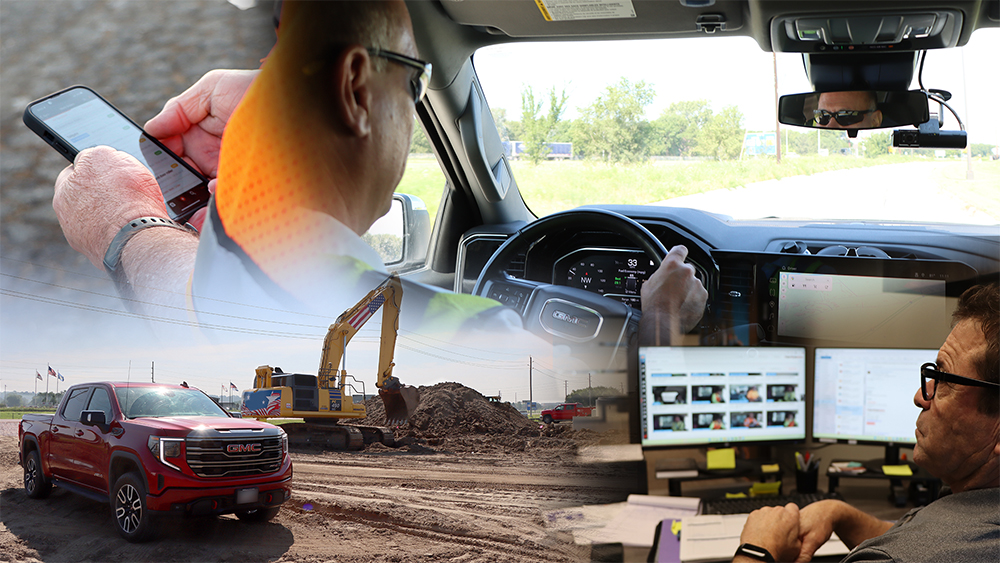
If you run a construction business and want to optimize your insurance costs while managing risk, here’s a practical plan:
- Adopt a comprehensive equipment management platform that covers asset tracking, maintenance, inspections, safety, compliance, and video telematics. For example: Tenna’s full-stack solution with AI Dash Cam, Heavy Equipment Camera System, Driver/Operations Scorecards, Fleet Compliance, and Custom Inspections.
- Use AI dash cams on both on-road vehicles and heavy equipment: capture video of job site operations, transport, loading/unloading — and ensure driver/operator behavior is visible.
- Implement a driver/operator coaching program using data from scorecards — reinforce good habits, correct risky behavior, and document improvements.
- Establish regular inspection schedules for all equipment — pre-use checklists, DVIRs, maintenance logs, and compliance audits to deter breakdowns and accidents before they happen.
- When talking with your insurance broker or carrier, use your documented data to demonstrate that your operation is low-risk and disciplined. That transparency can earn more favorable premiums, more comprehensive coverage, or both.
Focusing on construction business insurance means addressing the concerns insurers have: accidents, liability, asset loss, equipment failure, compliance, and the unpredictable nature of construction work. By adopting best practices in equipment management backed by the best technology, your business transforms from an unknown risk to a data-driven, safety-conscious operation.
That shift doesn’t just improve safety and operations. It affects your bottom line dramatically, reducing downtime, accidents, claims, and insurance premiums.