Updated August 26, 2026
While there are dozens of GPS trackers for construction equipment on the market, few are purpose-built for construction workflows. Most are adapted from trucking or logistics platforms, forcing contractors to patch together multiple tools instead of managing their mixed fleet from a single system.
Equipment theft alone costs the construction industry an estimated $1 billion annually, and only 21% of stolen equipment is ever recovered. The right GPS tracking system can be the difference between a fast recovery and a total loss, on top of everything else it should be doing for your fleet.
Ideally, you want to know more than just where a specific piece of equipment is physically located. You need a solution that also:

- Protects your assets from theft: GPS tracking with geofencing capabilities lets you set virtual boundaries and receive instant alerts for unauthorized movement, giving you peace of mind.
- Simplifies maintenance scheduling: A GPS tracking solution should provide automated alerts based on engine hours, mileage, or calendar dates — making it easier for shop staff to manage preventive maintenance and prolong asset lifespans.
- Assesses utilization: Advanced GPS systems pull telematics data, helping you evaluate trends over time by measuring how often your equipment is or isn’t working. This matters more than it might seem: an estimated 10-30% of construction equipment fuel consumption comes from nonproductive idling, and telematics can cut that idle time by 10-15% on average, according to the Association of Equipment Manufacturers. This allows you to make informed decisions about owning, renting, or selling assets.
- Increases safety and compliance: Modern GPS trackers with video telematics combine location tracking with driver behavior monitoring and compliance tools. This helps protect your drivers, reduce risk to your business, and potentially lower insurance premiums through documented safe driving practices.
- Offers mobile accessibility: Construction doesn’t happen behind a desk. The best GPS tracking solutions offer mobile apps that give you the freedom to access asset information anytime via a mobile device, improving communication and operational turnaround times.
- Is supported on one platform: Modern and robust GPS tracking capabilities are important for managing your fleet, but it’s equally important to be able to track your mixed fleet on a single system housing all assets and functionality related to fleet utilization, performance, maintenance, safety, compliance, dispatching and integrations with key business systems all under one roof.
If you’re on the hunt for a GPS tracker that checks all of these boxes, you’re in the right place. Keep scrolling for the full breakdown of the top systems on the market, how we evaluated them, and what actually matters for your fleet.
Disclosure
This article is published by Tenna, a provider of construction fleet management software. Tenna is included in this comparison and is ranked “Best Overall.” We’ve evaluated all solutions objectively based on the criteria below, but readers should be aware of this relationship when reviewing the recommendations.
Key Takeaways
- The best GPS trackers for construction combine location tracking with utilization data, preventive maintenance alerts, and theft recovery, not just a location pin on a map.
- Equipment theft costs the construction industry an estimated $1 billion annually, and only 21% of stolen equipment is ever recovered, making theft prevention one of the highest-value features a tracker can offer.
- Hardwired and battery-powered trackers serve different purposes: hardwired devices pull engine diagnostics from powered equipment, while battery or solar trackers cover non-powered assets like trailers, attachments, and tools.
How We Evaluated GPS Trackers for Construction
To rank these solutions fairly, we applied construction-specific criteria. Here’s how we weighted each factor.
Evaluation Criteria
Durability
Hardware must withstand vibration, dust, weather exposure, and heavy jobsite conditions.
Why this matters: If a tracker fails on site, you lose visibility right when you need it most. Plus, you’ll be left replacing damaged hardware across the fleet, which is an added expense.
Device types supported
Solutions were evaluated based on their ability to track:
- heavy equipment
- fleet vehicles
- trailers
- attachments
- tools
Why this matters: Contractors manage mixed fleets. A solution that tracks only vehicles or only powered equipment forces you into expensive workarounds.
Tracking frequency
Faster ping rates allow contractors to monitor equipment movement in near real-time.
Why this matters: Seconds vs. minutes is critical for theft recovery and identifying unauthorized movements on jobsites.
Battery life
Battery-powered trackers should last multiple years.
Why this matters: Longer battery life minimizes maintenance and replacement costs across dozens of assets.
Construction-specific features
Priority features include:
- equipment utilization tracking
- engine-hour monitoring
- preventive maintenance scheduling
- geofencing
- theft alerts
Why this matters: These features address cost drivers specific to construction, like underutilized equipment, missed maintenance, and theft. These are things that generic fleet tracking tools aren’t built to catch.
Integrations
Platforms that integrate with ERP systems, accounting tools, and construction management software scored higher.
Why this matters: Integrations cut down on manual data entry and give you one consistent set of numbers across accounting, project management, and equipment tracking. Instead of reconciling separate systems by hand, everything stays in sync automatically.
1. Tenna — Best Overall for Mixed Heavy Equipment and Vehicles
Overview
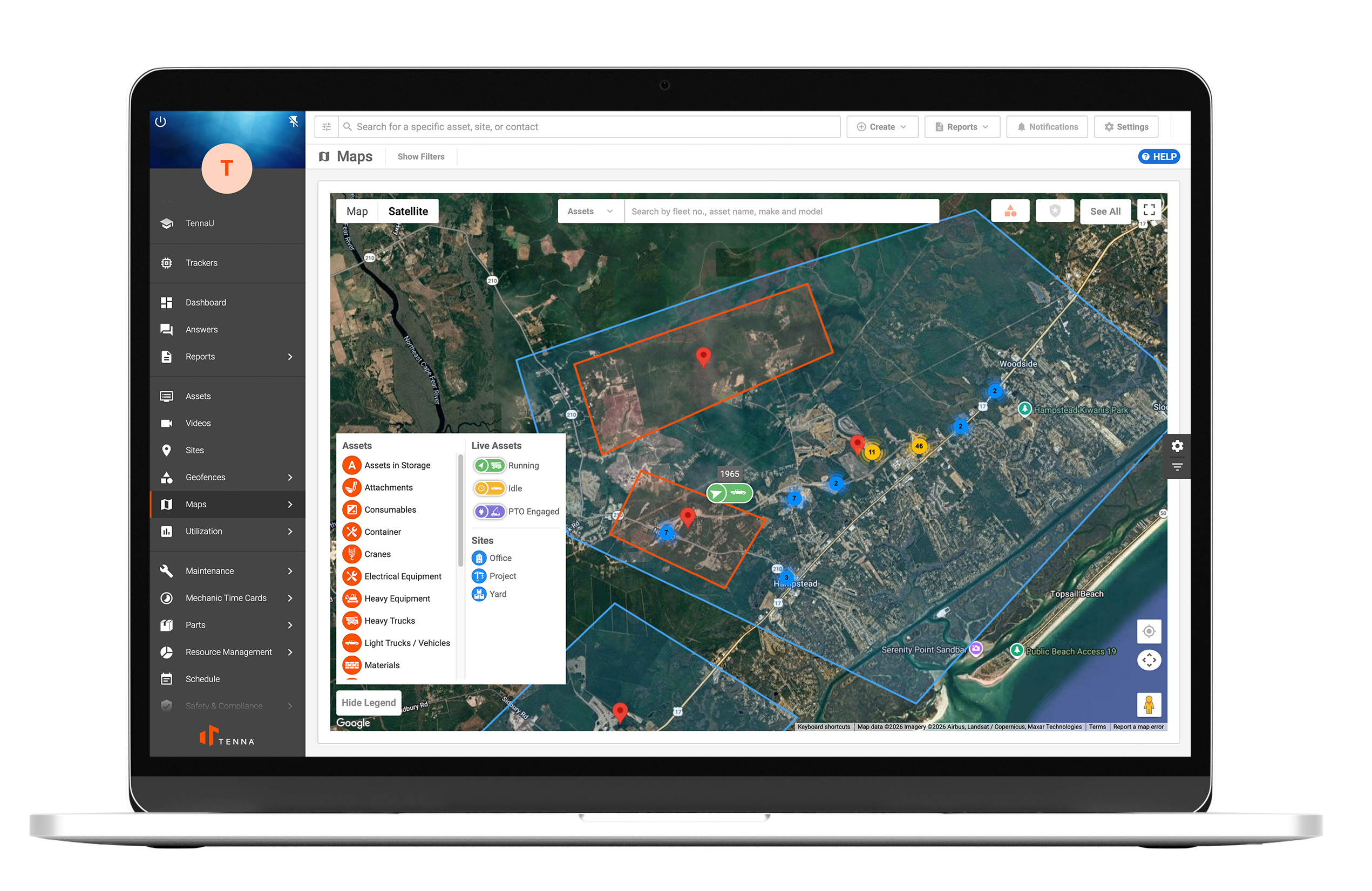
Tenna is a construction-specific equipment tracking platform designed to help contractors manage mixed fleets of heavy equipment, vehicles, trailers, and tools. The system combines GPS tracking hardware with fleet management software to provide visibility into asset location, utilization, maintenance, and safety. Tenna is built specifically for construction workflows and helps contractors manage equipment across multiple jobsites from a single platform.
Wide Variety of GPS Trackers
Our GPS asset tracker lineup includes a range of hardwired devices and solar-powered trackers:
- TennaCANbus for detailed engine diagnostics (track and monitor idle time, fuel consumption, asset information, engine information, battery level, and more)
- TennaCAM 2.0 Heavy Equipment, which pairs with CANBus and creates a dual-facing camera system that offers a comprehensive 360° view around your heavy machinery
- TennaFLEET II (OBD II and JBUS) to manage your fleet vehicles and trucks by reading diagnostic info from the vehicle Engine Control Unit (ECU)
- TennaCAM 2.0 Fleet, a next-generation fleet dash cam that pairs with the Fleet tracker and keeps drivers and vehicles safe while also being efficient
- TennaINTEL for GPS tracking and management of high-value, heavy yellow iron assets — and captures surrounding BLE beacons from ancillary assets, attachments and tools
- TennaMINI for GPS tracking and management of high-value, heavy yellow iron assets — and has the option of a rechargeable solar battery for an indefinite lifespan

Core GPS Tracker System Features
| Feature | Availability |
|---|---|
| Real-time location tracking | Yes |
| Geofence alerts | Yes |
| Equipment utilization metrics | Yes |
| Preventive maintenance scheduling | Yes |
| Theft detection and recovery | Yes |
| Equipment lifecycle management | Yes |
| Customizable reporting | Yes |
| ERP integrations | Yes |
| Mileage tracking | Yes |
| Safety & compliance | Yes |
| Inspection completion | Yes |
| Dispatching | Yes |
| ✅ Pros | ❌ Cons |
|---|---|
|
|
What Real Customers Are Saying About Tenna
“You can go look for a machine right from your cell phone. I would say Tenna has definitely sped up our workflows due to accessibility. This is huge, because everybody has this [a cell phone] on them all the time… I can go right to my phone, and I can find anything.” — Hayden V., Equipment Manager at Anvil Builders
“The Tenna tracker being installed was the number one reason why we were able to recover our $500,000 dollar van that had gotten stolen off of a jobsite. Without the live tracker, we would have probably never found it.” – Jerry F., Fleet & Equipment Director at Nor-Cal Pipeline
2. Motive
Overview
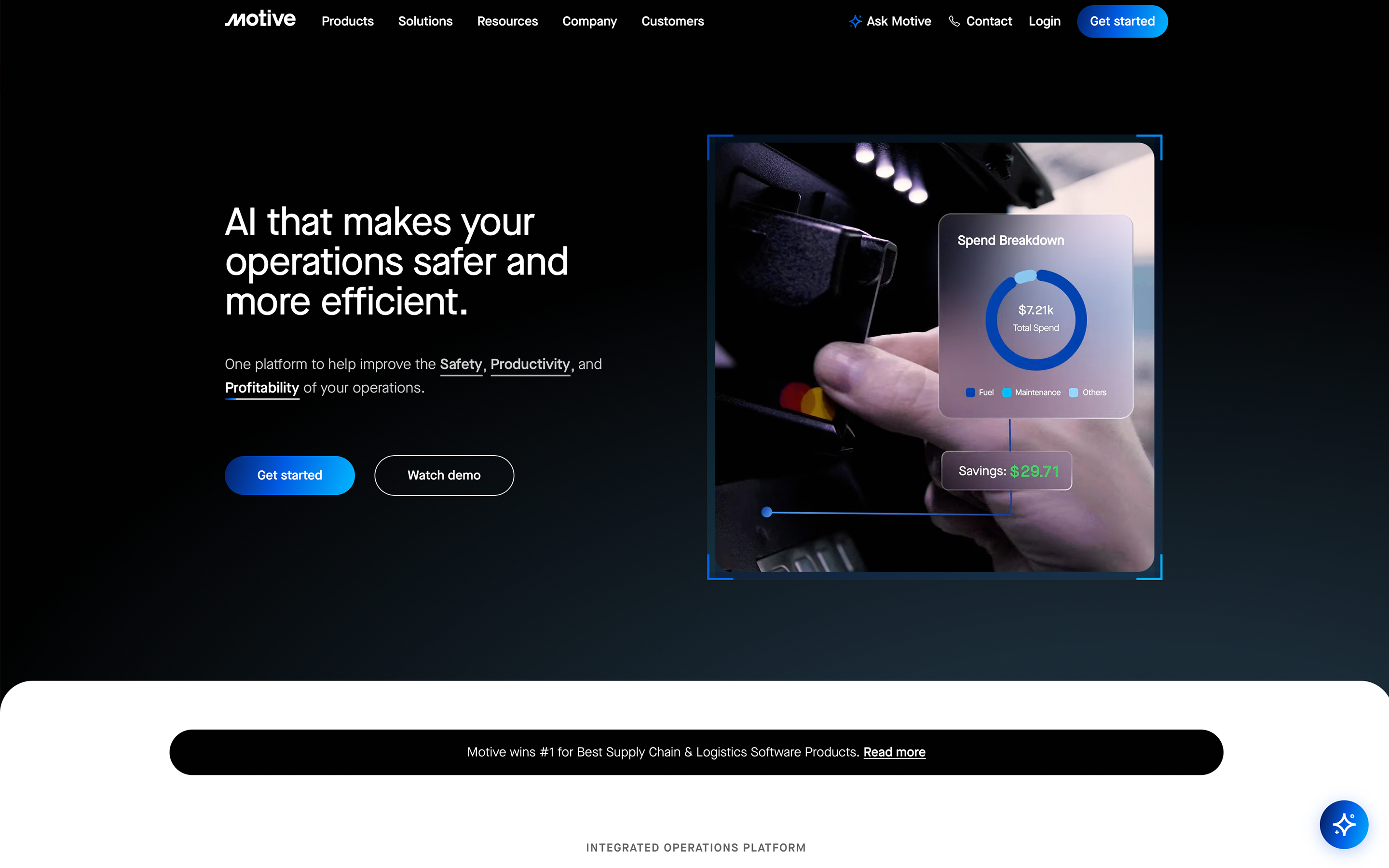
Motive provides GPS fleet tracking and telematics tools designed to improve driver safety, compliance, and fleet visibility. The platform combines location tracking with driver monitoring, safety cameras, and regulatory compliance features such as ELD reporting. Construction companies can use Motive to monitor equipment and vehicles while managing driver behavior and compliance requirements.
Core GPS Tracker System Features
| Feature | Availability |
|---|---|
| Real-time location tracking | Yes |
| Geofence alerts | Yes |
| Equipment utilization metrics | Yes |
| Preventive maintenance scheduling | Yes |
| Theft detection and recovery | Yes |
| Equipment lifecycle management | Limited |
| ERP integrations | Limited |
| Safety & compliance | Yes |
| ✅ Pros | ❌ Cons |
|---|---|
|
|
Pricing
Pricing not publicly available.

3. Samsara
Overview
Samsara offers GPS tracking and telematics solutions that combine hardware and cloud software to help companies monitor fleets and equipment. The platform provides real-time location tracking, safety monitoring, and utilization analytics for vehicles and assets. Contractors often use Samsara to manage mixed fleets while improving driver safety and operational visibility.
Core GPS Tracker System Features
| Feature | Availability |
|---|---|
| Real-time location tracking | Yes |
| Geofence alerts | Yes |
| Equipment utilization metrics | Yes |
| Preventive maintenance scheduling | Yes |
| Theft detection and recovery | Yes |
| Equipment lifecycle management | No |
| ✅ Pros | ❌ Cons |
|---|---|
|
|
Pricing
Pricing not publicly available

4. ZenduIT
Overview
ZenduIT offers GPS tracking solutions designed to monitor construction equipment, vehicles, trailers, and smaller assets across jobsites. The platform provides real-time location tracking, geofencing alerts, and utilization insights through a centralized dashboard. ZenduIT supports both indoor and outdoor asset tracking, helping contractors manage equipment across warehouses, yards, and field locations.
Core GPS Tracker System Features
| Feature | Availability |
|---|---|
| Real-time location tracking | Yes |
| Geofence alerts | Yes |
| Equipment utilization metrics | Yes |
| Preventive maintenance scheduling | Yes |
| Theft detection and recovery | Yes |
| Equipment lifecycle management | Limited |
| Customizable reporting | Yes |
| Integration with construction management & ERP software | Yes |
| Mileage tracking | Yes |
| Safety & compliance | Yes |
| Inspection completion | Yes |
| Dispatching | Limited |
| ✅ Pros | ❌ Cons |
|---|---|
|
|
Pricing
Pricing is not publicly available and typically requires contacting ZenduIT for a customized quote.
5. Verizon Connect
Overview
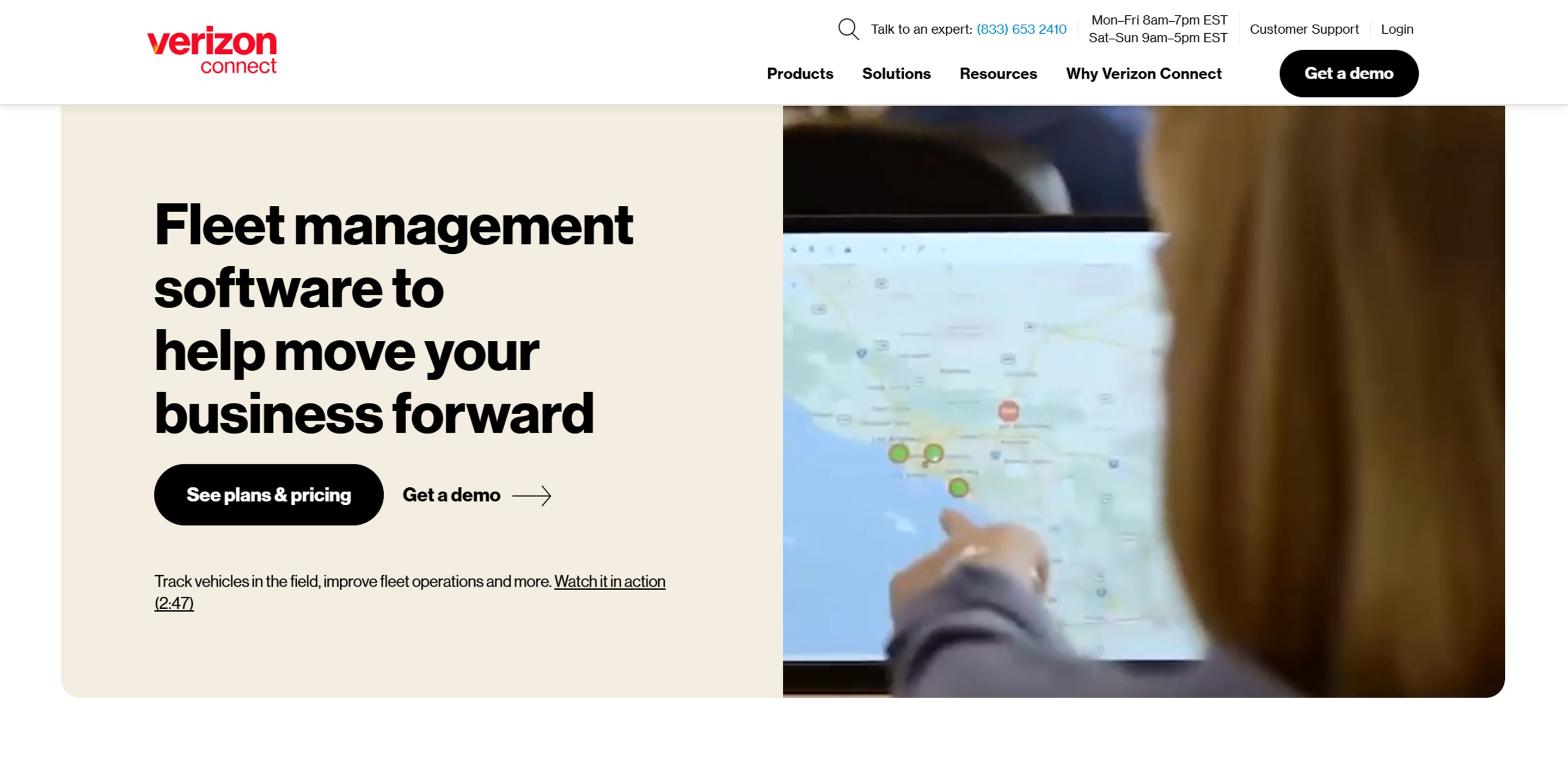
Verizon Connect provides GPS fleet tracking and telematics solutions for companies managing large fleets of vehicles and equipment. The platform combines location tracking, safety monitoring, and dispatch tools to help businesses improve fleet visibility and efficiency. Construction companies often use Verizon Connect to monitor asset usage, reduce downtime, and manage fleets across multiple jobsites.
Core GPS Tracker System Features
| Feature | Availability |
|---|---|
| Real-time location tracking | Yes |
| Geofence alerts | Yes |
| Equipment utilization metrics | Yes |
| Preventive maintenance scheduling | Yes |
| Theft detection and recovery | Limited |
| Equipment lifecycle management | Yes |
| Customizable reporting | Yes |
| Integration with construction management & ERP | Limited |
| Mileage tracking | Yes |
| Safety & compliance | Yes |
| Inspection completion | Yes |
| Dispatching | Yes |
| ✅ Pros | ❌ Cons |
|---|---|
|
|
Pricing
Verizon Connect pricing varies depending on fleet size, hardware type, and subscription features. Pricing is typically quoted per asset per month.
6. Teletrac Navman
Overview
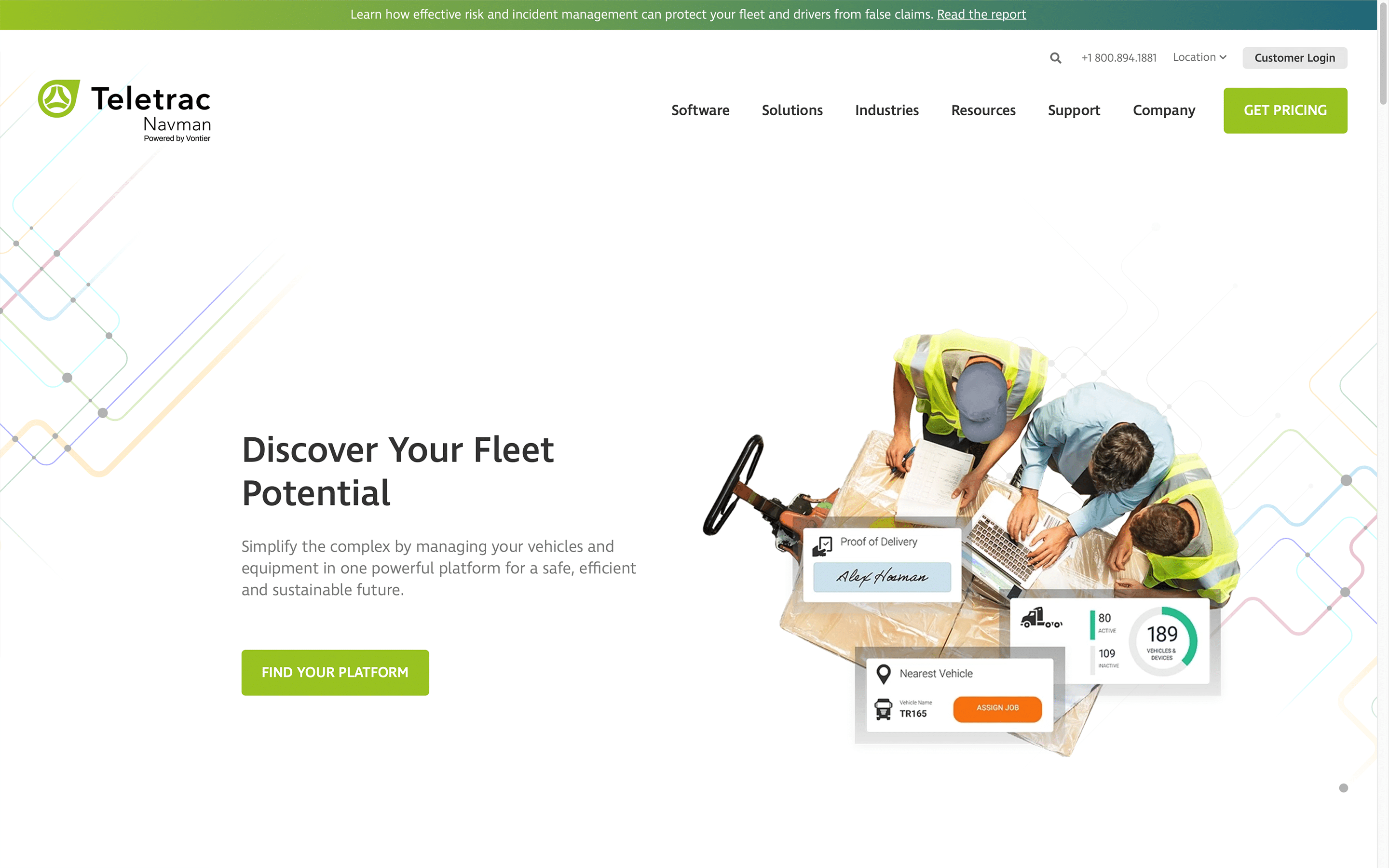
Teletrac Navman offers GPS tracking and telematics solutions designed to help businesses monitor fleet performance and asset utilization. The platform combines location tracking with analytics and reporting tools that provide insights into equipment productivity and maintenance needs. Construction companies use Teletrac Navman to improve fleet efficiency and reduce equipment downtime.
Core GPS Tracker System Features
| Feature | Availability |
|---|---|
| Real-time location tracking | Yes |
| Geofence alerts | Yes |
| Equipment utilization metrics | Yes |
| Preventive maintenance scheduling | Yes |
| Theft detection and recovery | Yes |
| Equipment lifecycle management | Limited |
| Customizable reporting | Yes |
| Integration with construction management & ERP integrations | Yes |
| Mileage tracking | Yes |
| Safety & compliance | Yes |
| Inspection completion | Yes |
| Dispatching | Yes |
| ✅ Pros | ❌ Cons |
|---|---|
|
|
Pricing
Pricing is not publicly listed and is typically provided through custom quotes based on fleet size and deployment needs.
7. HCSS
Overview
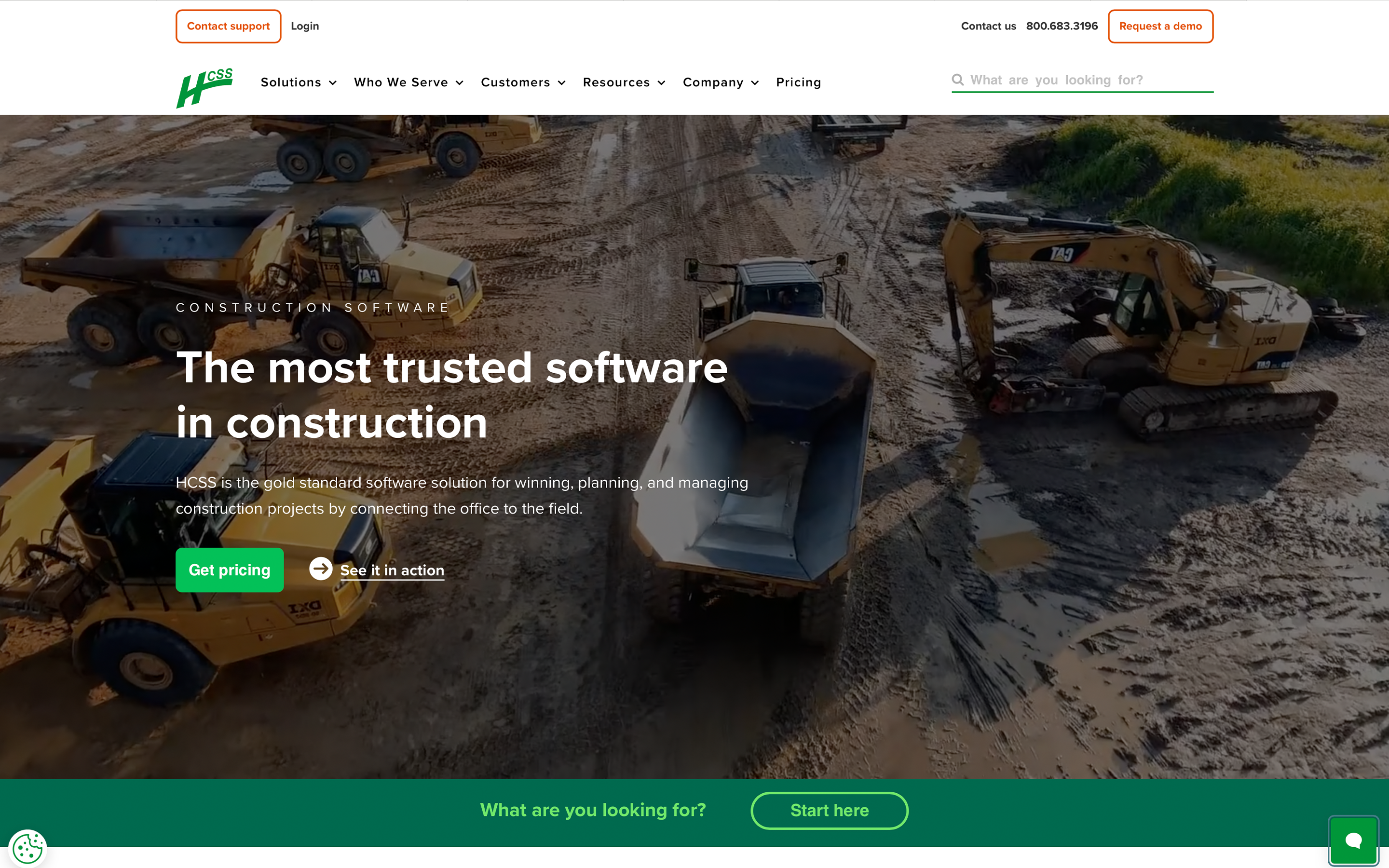
HCSS Telematics provides GPS tracking designed specifically for construction fleets. The platform helps contractors monitor equipment location, engine hours, idle time, and utilization. Because it integrates closely with other HCSS construction software tools, it is often used by contractors already using the HCSS ecosystem.
Core GPS Tracker System Features
| Feature | Availability |
|---|---|
| Real-time location tracking | Yes |
| Geofence alerts | Yes |
| Equipment utilization metrics | Yes |
| Preventive maintenance scheduling | Yes |
| Theft detection and recovery | Limited |
| Equipment lifecycle management | Yes |
| Customizable reporting | Yes |
| Integration with construction management & ERP software | Yes |
| Mileage tracking | Yes |
| Safety & compliance | Yes |
| Inspection completion | Yes |
| Dispatching | Limited |
| ✅ Pros | ❌ Cons |
|---|---|
|
|
Pricing
Pricing is not publicly available and depends on fleet size and software configuration.
8. Platform Science
Overview
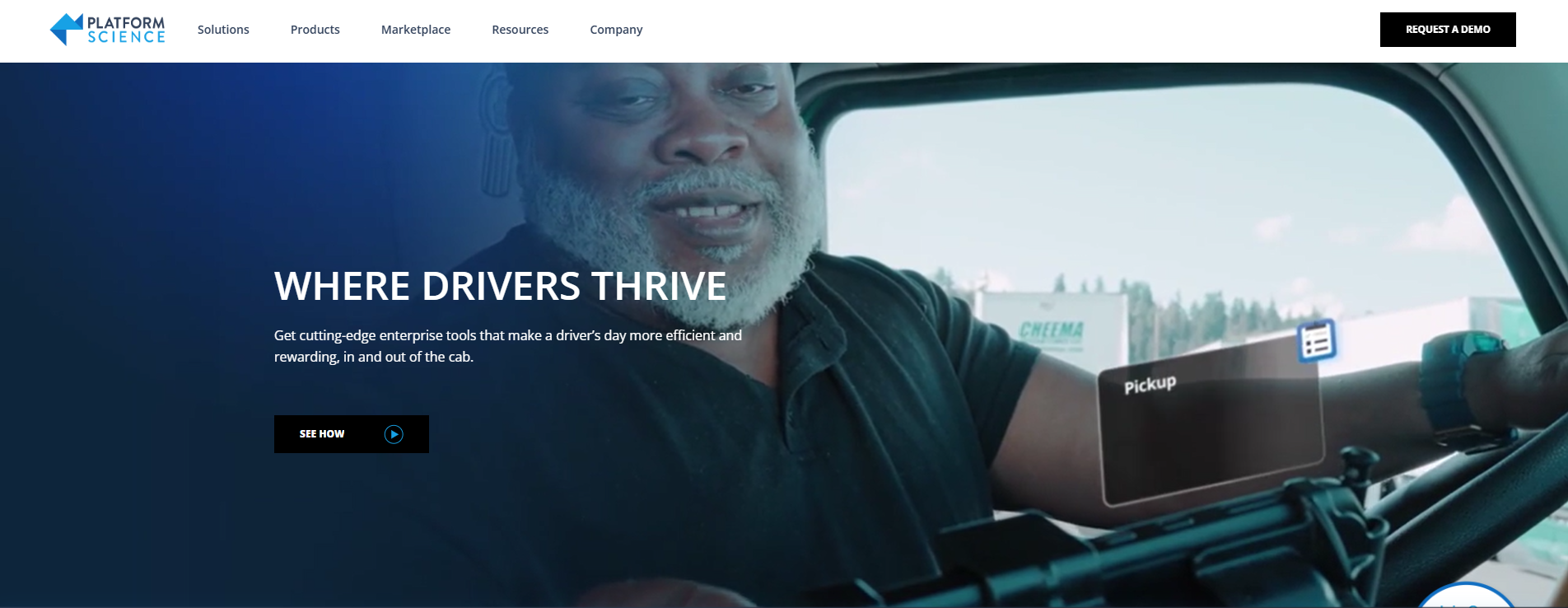
Platform Science offers telematics and fleet management solutions designed primarily for transportation and logistics fleets. The platform provides GPS tracking, driver safety monitoring, and fleet visibility tools that can also support construction companies operating mixed fleets. Contractors can use Platform Science to track equipment locations, monitor vehicle activity, and improve fleet efficiency.
Core GPS Tracker System Features
| Feature | Availability |
|---|---|
| Real-time location tracking | Yes |
| Geofence alerts | Yes |
| Equipment utilization metrics | Yes |
| Preventive maintenance scheduling | Limited |
| Theft detection and recovery | Limited |
| Equipment lifecycle management | Limited |
| Customizable reporting | Yes |
| Integration with construction management & ERP software | Yes |
| Mileage tracking | Yes |
| Safety & compliance | Yes |
| Inspection completion | Yes |
| Dispatching | Yes |
| ✅ Pros | ❌ Cons |
|---|---|
|
|
Pricing
Pricing is typically provided through custom quotes based on fleet size, hardware selection, and software modules.
9. Fleetio
Overview
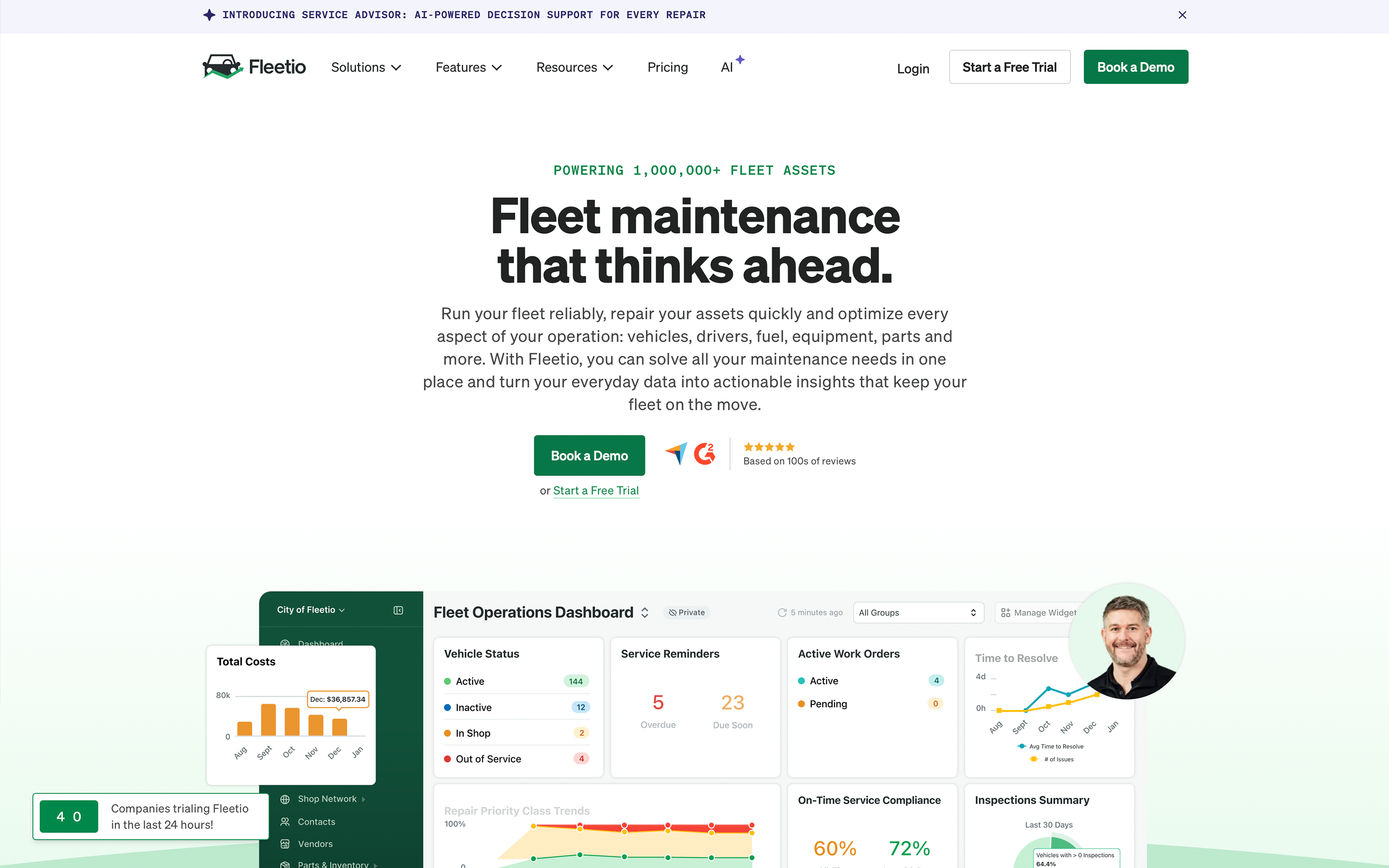
Fleetio is primarily a fleet maintenance platform with GPS tracking integrations. Fleetio provides a fleet management solution with GPS tracking capabilities adapted for construction equipment. The system emphasizes maintenance management and total cost of ownership tracking while providing detailed fleet analytics for more efficient equipment utilization.
Core GPS Tracker System Features
| Feature | Availability |
|---|---|
| Real-time location tracking | Limited |
| Geofence alerts | Limited |
| Equipment utilization metrics | Yes |
| Preventive maintenance scheduling | Yes |
| Theft detection and recovery | Limited |
| Equipment lifecycle management | Yes |
| ✅ Pros | ❌ Cons |
|---|---|
|
|
Pricing
Starts at ~$5 per vehicle per month.

10. Trackunit
Overview
Trackunit is a telematics platform built specifically for the construction industry. It pulls engine and diagnostic data directly from equipment manufacturers, providing visibility into fault codes, machine health, and fuel use for brands like Caterpillar, John Deere, and Komatsu, in addition to standard location tracking. The platform is used by OEMs, rental companies, and contractors managing mixed heavy equipment fleets.
Core GPS Tracker System Features
| Feature | Availability |
|---|---|
| Real-time location tracking | Yes |
| Geofence alerts | Yes |
| Equipment utilization metrics | Yes |
| Preventive maintenance scheduling | Yes |
| Theft detection and recovery | Yes |
| Equipment lifecycle management | Limited |
| Customizable reporting | Yes |
| Integration with construction management & ERP software | Limited |
| Mileage tracking | Yes |
| Safety & compliance | Yes |
| Inspection completion | Yes |
| Dispatching | No |
| ✅ Pros | ❌ Cons |
|---|---|
|
|
Pricing
Not publicly available; Trackunit provides tailored pricing plans for OEMs, contractors, and rental companies through a direct quote.

11. GPS Insight
Overview
GPS Insight is a fleet and asset tracking platform used across construction, utilities, government, and field service industries. It combines GPS tracking for both powered heavy equipment (like excavators) and non-powered assets (like trailers and generators), along with an AI-powered dash cam and ELD compliance tools, into one system. GPS Insight also integrates with several construction-specific software platforms, including Jonas construction software.
Core GPS Tracker System Features
| Feature | Availability |
|---|---|
| Real-time location tracking | Yes |
| Geofence alerts | Yes |
| Equipment utilization metrics | Yes |
| Preventive maintenance scheduling | Yes |
| Theft detection and recovery | Yes |
| Equipment lifecycle management | Limited |
| Customizable reporting | Yes |
| Integration with construction management & ERP software | Yes |
| Mileage tracking | Yes |
| Safety & compliance | Yes |
| Inspection completion | Yes |
| Dispatching | Yes |
| ✅ Pros | ❌ Cons |
|---|---|
|
|
Pricing
Not publicly available on GPS Insight’s website; third-party estimates suggest a range of roughly $15 to $50 per vehicle per month depending on features. Contractors can request a custom quote directly from GPS Insight.
Ready to Get Started?
Tenna is built specifically “from construction for construction,” offering the most comprehensive tracking solution for the full spectrum of construction assets in a single integrated platform.
Unlike some of the other options we covered, which offer limited construction-specific features, Tenna provides complete visibility through real-time telematic data with specialized trackers and integrated dashcams for heavy equipment, fleet vehicles, and all other miscellaneous assets in a construction fleet both with and without engines.