Updated on May 1, 2026
Construction dispatch management software helps contractors coordinate the scheduling, tracking, and deployment of crews, equipment, materials, and vehicles across jobsites in real time.
As construction operations grow more complex, many contractors are replacing manual processes—like spreadsheets, phone calls, and whiteboards—with digital, telematics-driven dispatch systems that improve visibility and coordination across teams.
If you’re evaluating dispatch software, look for a platform that:
- Is mobile-friendly and easy for field teams to use
- Provides real-time visibility into schedules and resource availability
- Integrates with your ERP, accounting, project management, and maintenance systems
- Supports both labor and equipment dispatch, if applicable to your operation
This guide compares leading construction dispatch management software solutions in 2026, including their strengths, limitations, and best-fit use cases.
How to Choose Construction Dispatch Software
Not all dispatch tools are built for construction. When comparing options, focus on:
- Industry Fit: Heavy civil, specialty trades, and service contractors all have different dispatch needs.
- Asset vs. Labor Focus: Some tools prioritize workforce scheduling, while others focus on equipment, fleet, or mixed assets.
- Integration Capabilities: Look for compatibility with your ERP, accounting, and project management systems.
- Mobile & Field Usability: Your crews need tools that work in the field, including offline functionality when connectivity is limited.
- Scalability: Choose a platform that can grow with your fleet, workforce, and project complexity.
- Total Cost of Ownership: Consider software, hardware, onboarding, and long-term support—not just subscription cost.
1. Tenna
Best for: Heavy civil contractors managing mixed asset fleets
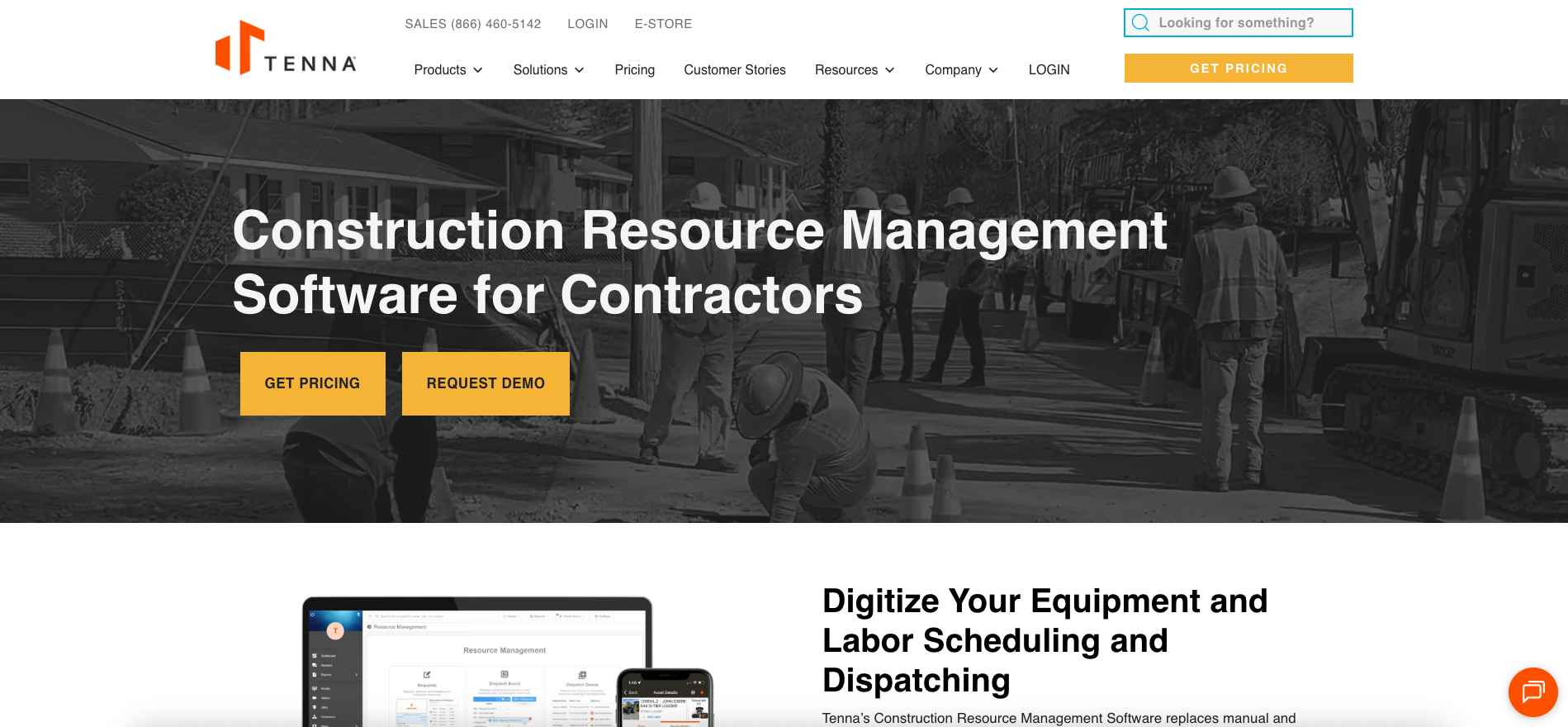
Tenna is a construction technology platform designed specifically for contractors managing equipment, vehicles, and crews across multiple jobsites. It combines resource management and dispatching with equipment tracking, telematics, maintenance, and field visibility in one system.
Why Tenna Stands Out
Unlike point solutions focused only on dispatch, Tenna connects the full workflow—from resource requests to scheduling, dispatching, and tracking—within a single platform.
Key Capabilities
- Dispatch crews, equipment, and assets from the Dispatch Command Center
- View real-time equipment locations and availability due to telematics connection
- Manage requests and plan resource allocation across jobs
- Track utilization, maintenance status, and asset health
- Send SMS and in-platform notifications for dispatch updates
This unified approach helps contractors improve planning, reduce downtime, and make better use of existing assets before renting or purchasing additional equipment.
2. Workyard
Best for: Small to mid-sized contractors focused on labor tracking
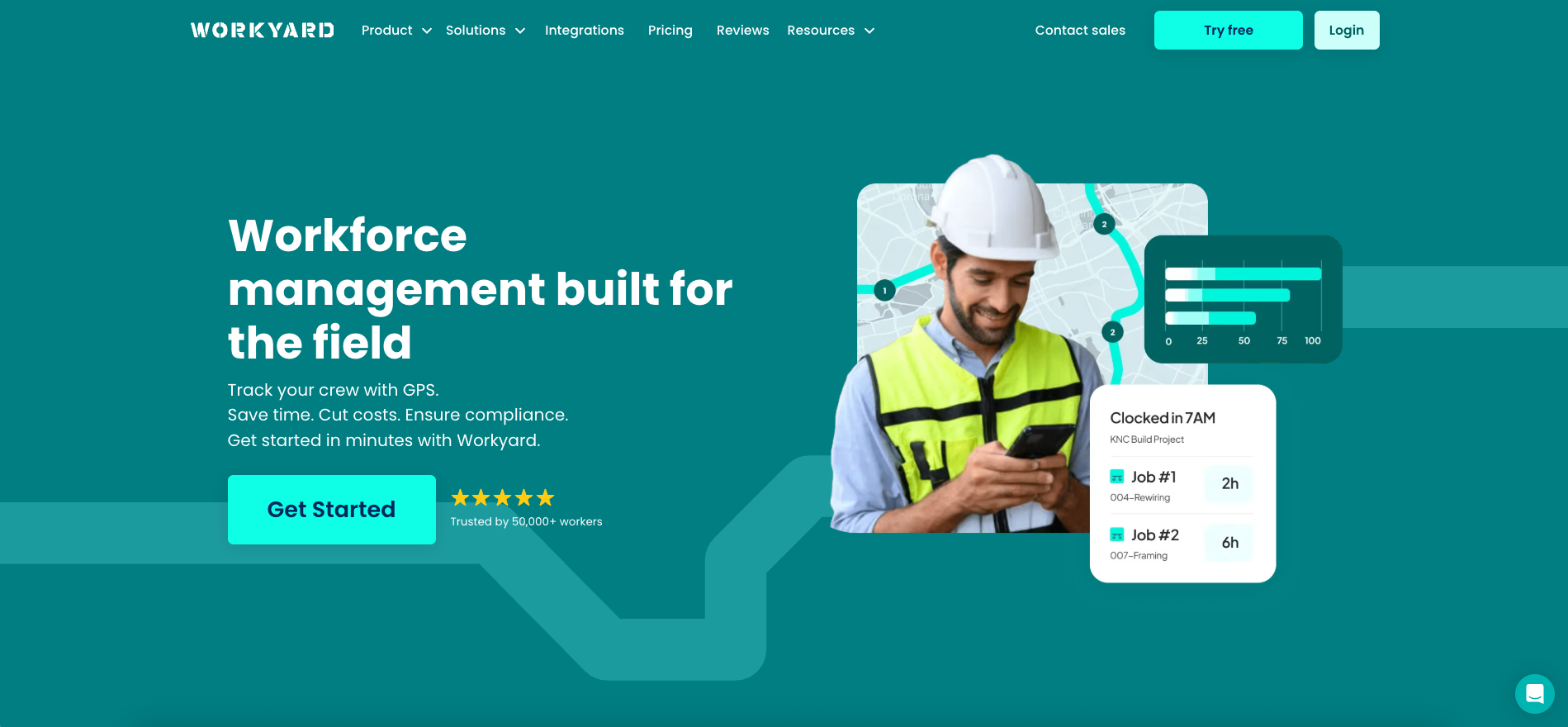
Workyard is a workforce management platform designed for construction and field service teams. It focuses on time tracking, scheduling, and labor cost visibility.
Key Features
- GPS-based time tracking and geofencing
- Mobile scheduling and job assignments
- Labor cost tracking by job and cost code
- Offline data capture with sync when reconnected
Limitations
- Primarily focused on labor—not equipment or fleet dispatch
- May require additional tools for full construction operations
3. HCSS Dispatcher
Best for: Heavy civil contractors replacing manual dispatch boards
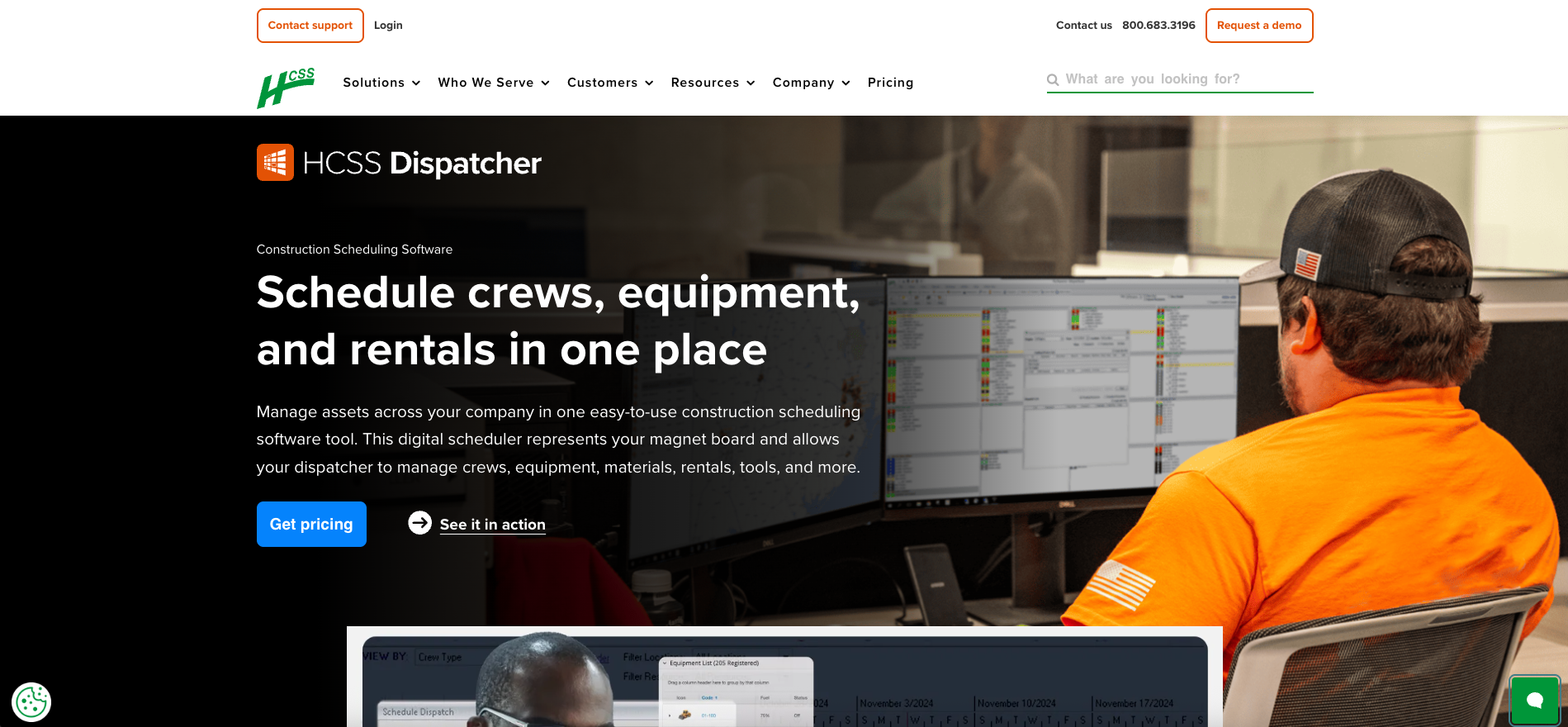
HCSS Dispatcher digitizes traditional whiteboard or magnet-based scheduling systems, making it easier to coordinate crews, equipment, and materials across projects.
Key Features
- Visual dispatch board for planning and scheduling
- Resource allocation across multiple jobsites
- Notifications to crews and field personnel
Limitations
- Still requires manual involvement, not telematics-driven
- More dispatch-focused than full operational platforms
4. FieldEdge
Best for: HVAC, plumbing, and electrical contractors
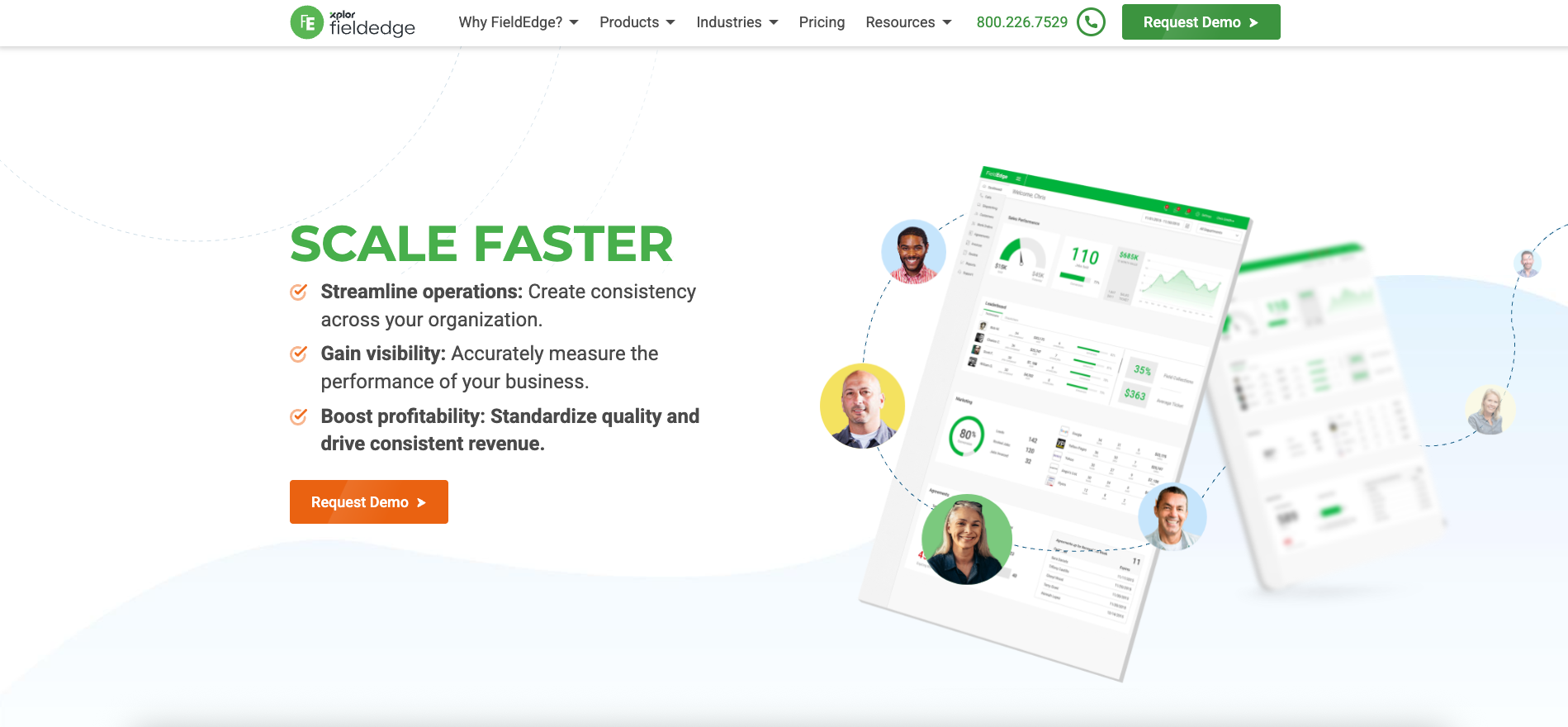
FieldEdge is a field service management platform designed for service-based contractors rather than heavy construction.
Key Features
- Technician scheduling and dispatching
- Customer history and service tracking
- Integration with accounting systems like QuickBooks
Limitations
- Service-focused, not built for equipment-heavy construction
- Limited asset tracking capabilities
5. Smart Service
Best for: Specialty trades using QuickBooks
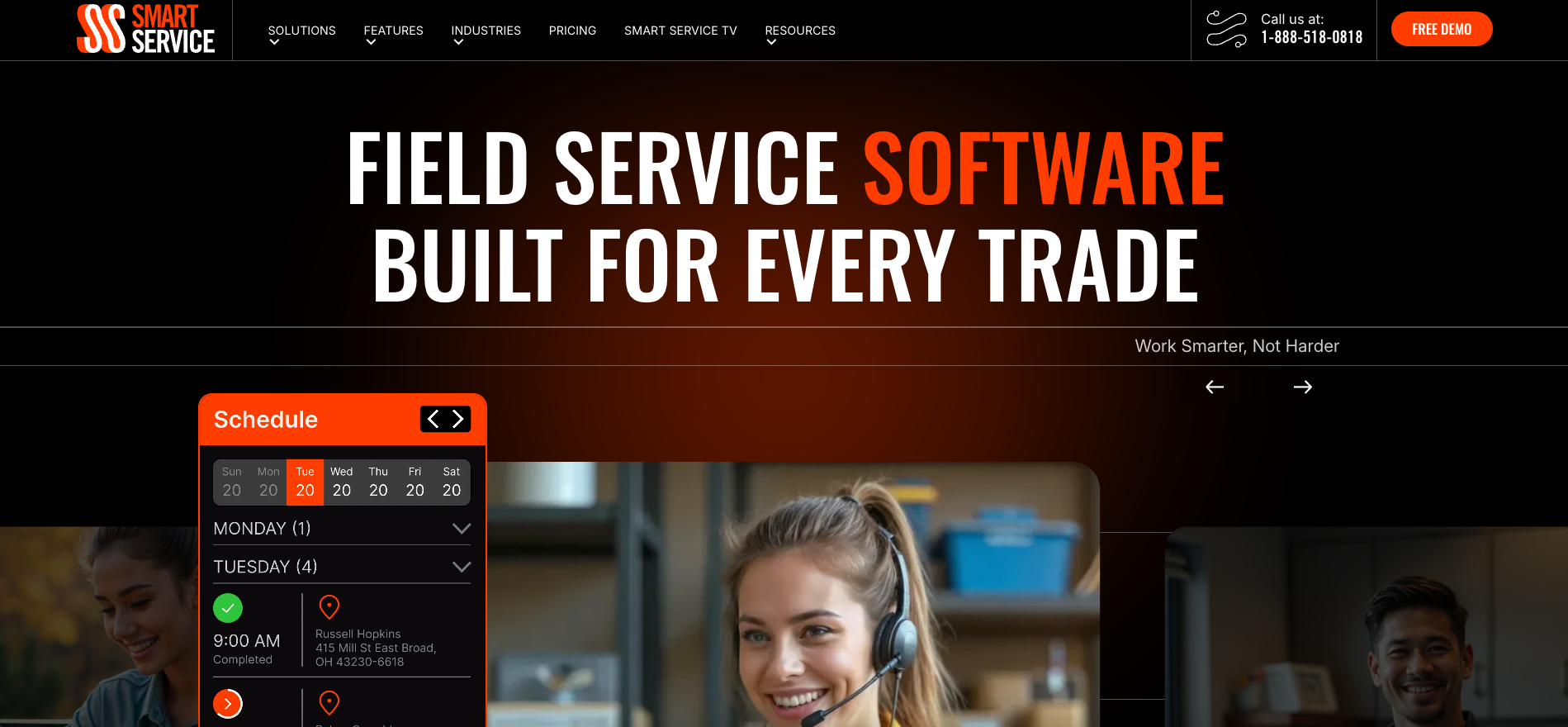
Smart Service provides dispatching and scheduling for field service businesses with strong QuickBooks integration.
Key Features
- Drag-and-drop scheduling
- Mobile app with offline functionality
- Integration with QuickBooks Desktop and Online
Limitations
- Best suited for service contractors
- Limited support for mixed asset or heavy equipment workflows
6. B2W Schedule
Best for: Heavy construction resource planning
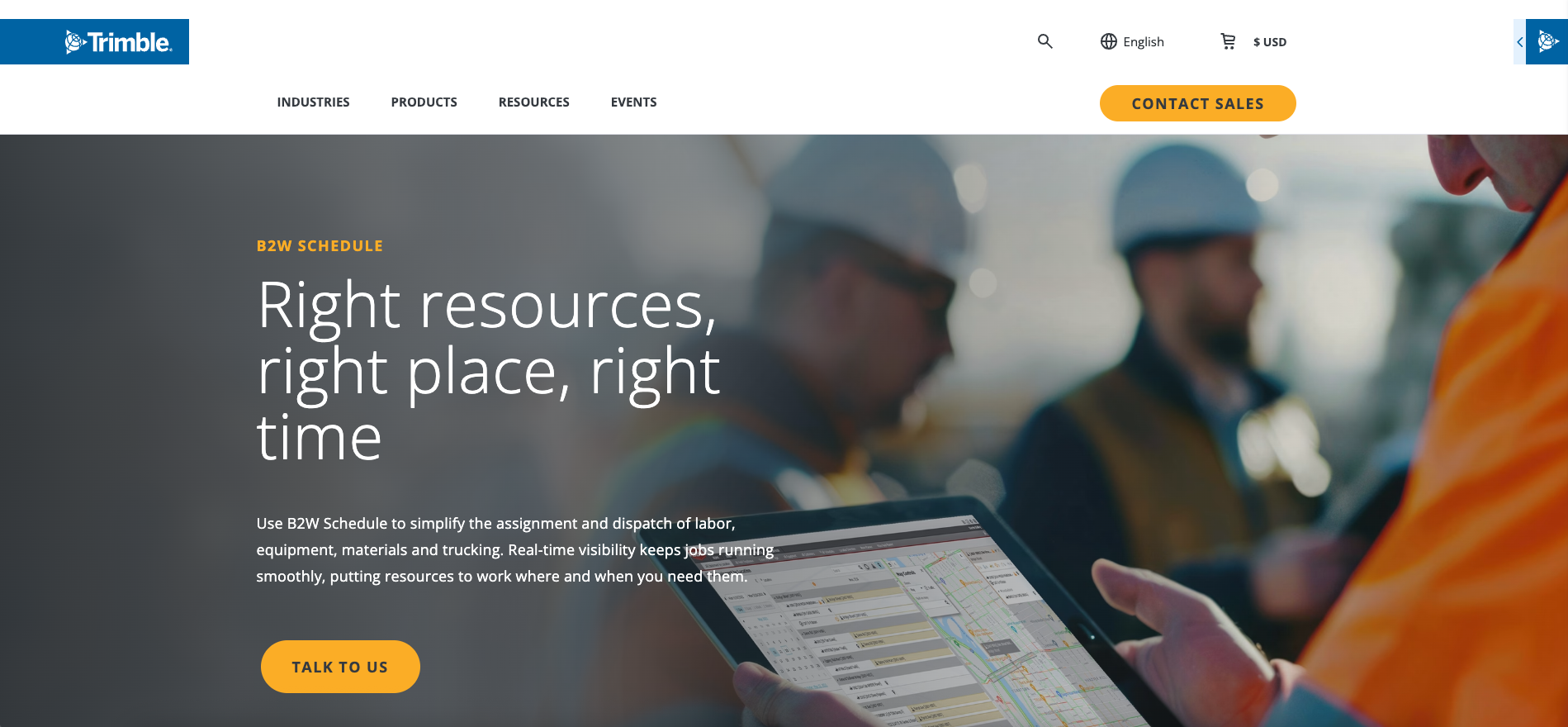
B2W Schedule is part of the B2W ONE Platform and is designed for planning and dispatching resources across heavy construction projects.
Key Features
- Scheduling for crews, equipment, and materials
- Integration with estimating and field tracking tools
- Mobile access via iOS and Android
Limitations
- Best suited for heavy civil construction
- Works best when used within the full B2W ecosystem
7. Motive
Best for: Fleet tracking and vehicle operations
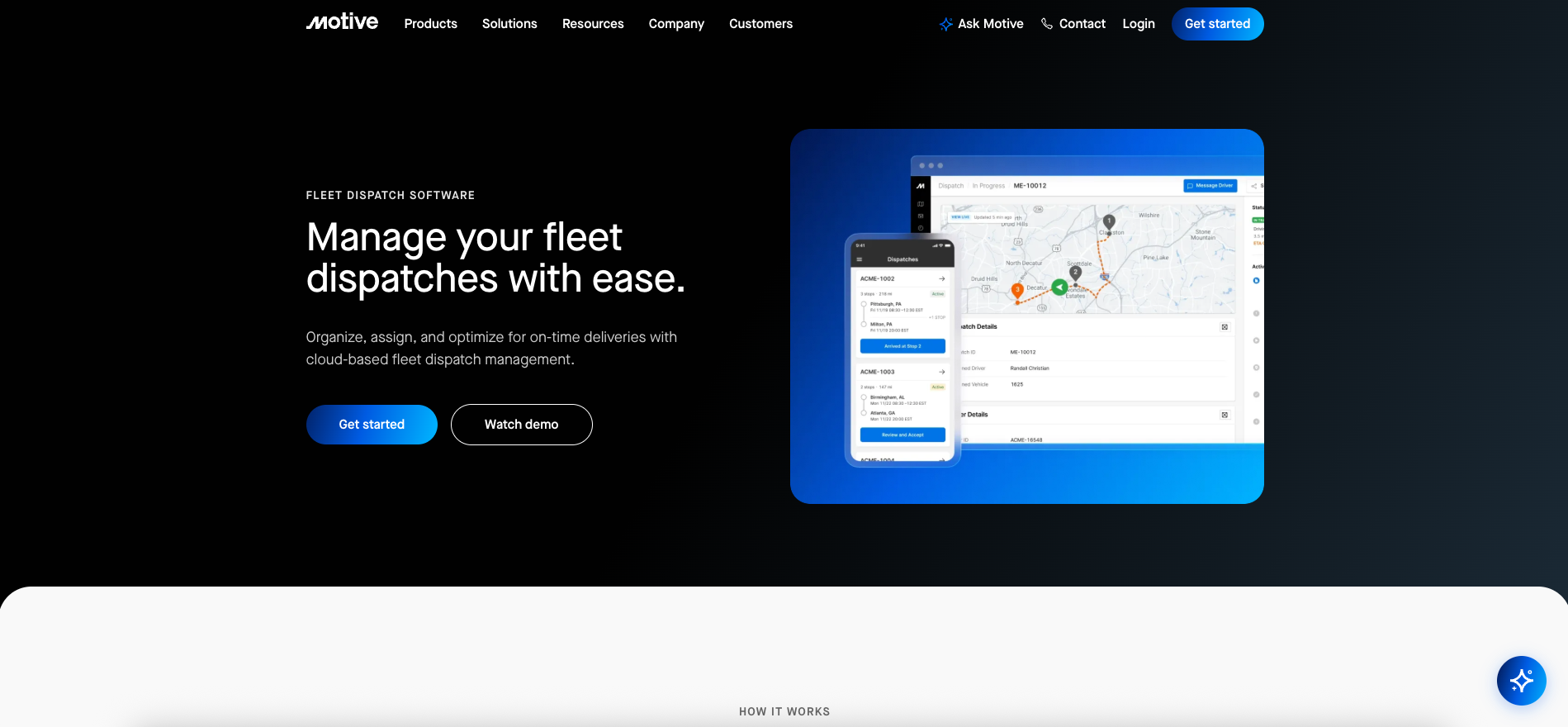
Motive provides GPS tracking, telematics, and AI-powered safety tools for fleet operations.
Key Features
- Real-time GPS tracking
- Driver safety monitoring and AI dash cams
- Vehicle and fleet performance insights
Limitations
- Primarily focused on vehicles, not full construction dispatch
- May require additional tools for labor and equipment coordination

8. Omnitracs
Best for: Transportation-heavy operations
Omnitracs is a transportation and logistics platform with dispatch, routing, and compliance tools.
Key Features
- Route planning and dispatch optimization
- GPS tracking and driver communication
- Compliance and reporting tools
Limitations
- Designed for transportation, not construction workflows
- Requires additional systems for construction operations
9. Jonas
Best for: Contractors seeking dispatch + accounting integration
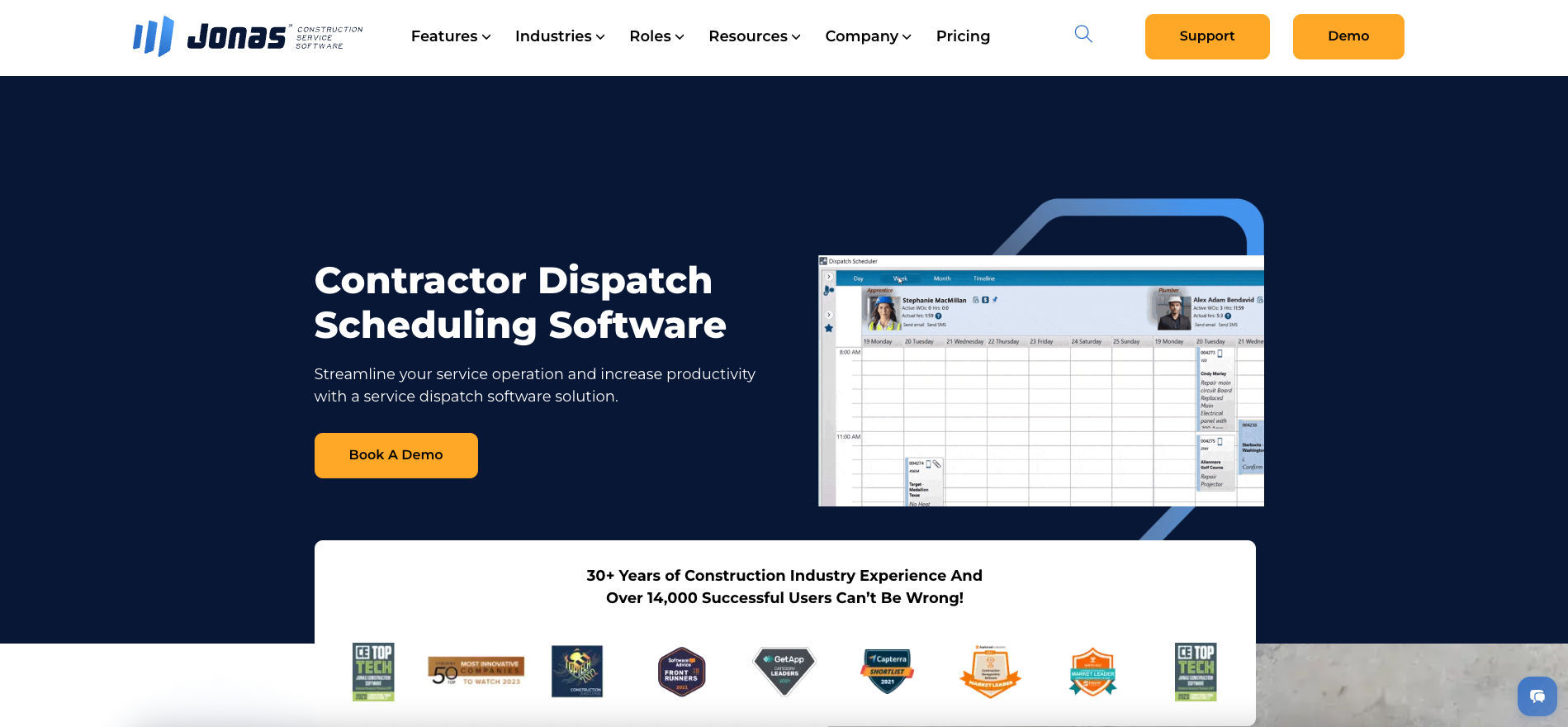
Jonas offers dispatch scheduling as part of a broader construction and service management platform.
Key Features
- Dispatch scheduling for technicians and resources
- Integration with accounting and billing workflows
- Mobile tools for field updates
Limitations
- Stronger fit for service contractors
- Less specialized for equipment-heavy operations