What Contractors are Really Struggling with in Equipment Fleet Management
Every CONEXPO/Con-Agg provides a snapshot of where the construction industry is heading. But more importantly, it reveals where contractors are still struggling.
During CONEXPO 2026, the Tenna team spoke with several hundreds of contractors across heavy civil, utilities, paving, mining, trucking, and specialty construction. Many came to the booth with questions about equipment tracking and maintenance. Others were looking for new ways to improve job costing, safety, and fleet operations.
Across those conversations, several consistent operational challenges emerged.
This post highlights the biggest equipment management problems contractors told us they’re trying to solve today.
Equipment Maintenance Is the #1 Operational Pain Point
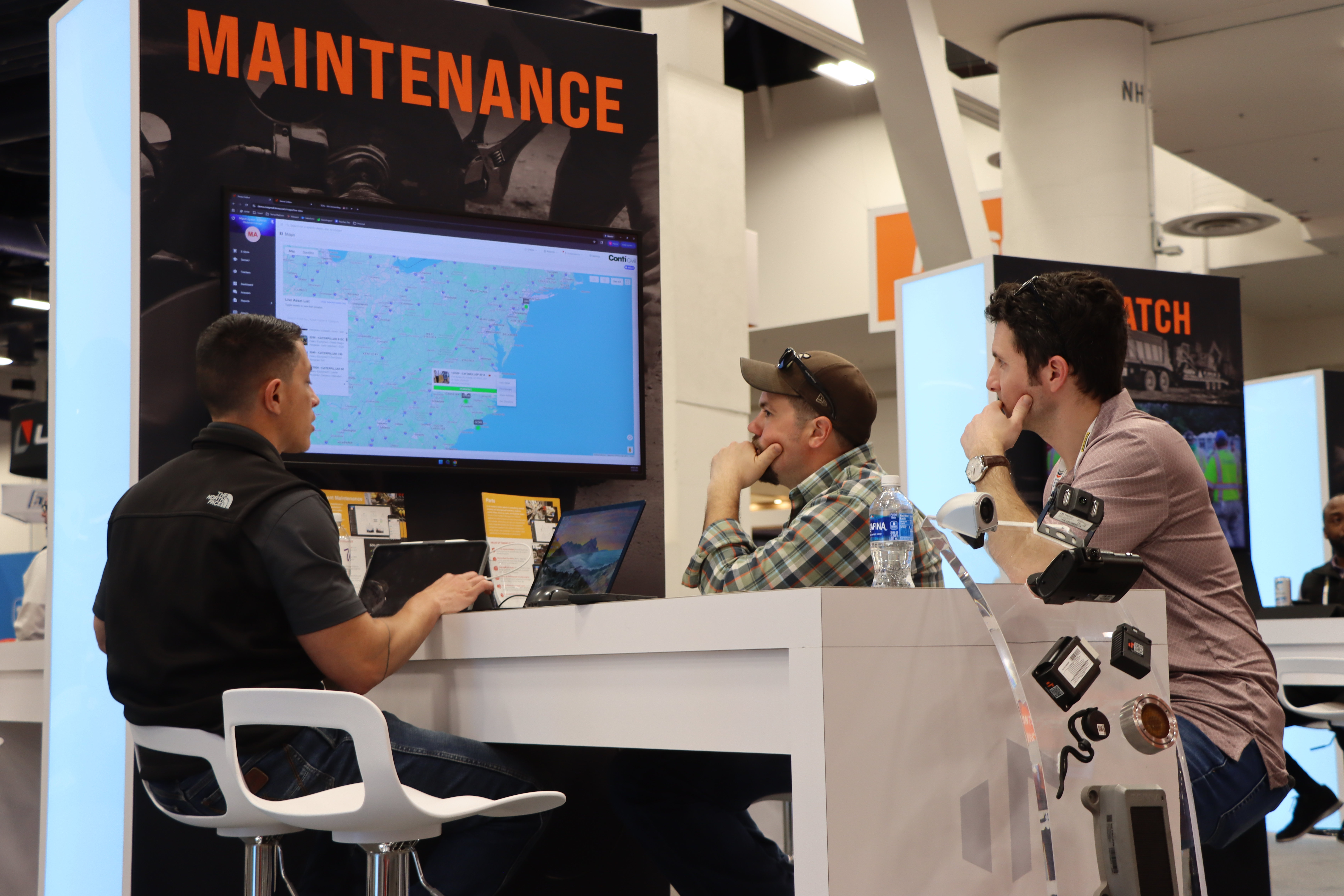
Maintenance challenges came up more than any other topic during CONEXPO.
Many contractors admitted they are still managing equipment maintenance using spreadsheets, paper logs, or disconnected systems. Even those using equipment maintenance software often struggle to keep up with preventive maintenance schedules or accurately track repair history.
Some of the most common maintenance issues contractors not yet using Tenna mentioned to our staff included:
- Missed preventive maintenance intervals
- Reactive maintenance instead of proactive planning
- Limited visibility into total repair costs
- Difficulty tracking parts and warranties
- Lack of centralized service history by asset
- Managing mobile mechanics and service requests
In many cases, contractors told us they simply don’t have a clear view of what work has been done to a machine, how much it costs, or when it needs service next.
As fleets grow larger and more complex, these gaps can quickly lead to increased downtime and rising repair costs.
“We’re not behind on any of our maintenance on our vehicles or our inspections.”
– Mark Marcelli, Logistics Manager, Royal Electric
Contractors Are Managing Too Many Systems
Another theme that came up repeatedly was technology fragmentation.
Many contractors are currently running multiple systems to manage different parts of their operations. For example:
- Fleet telematics for on-road vehicles
- OEM telematics platforms for heavy equipment
- Separate maintenance management software
- Spreadsheets for inspections or asset tracking
- ERP systems for accounting and job costing
In practice, this often means teams are jumping between platforms to get the information they need.
Several contractors described the challenge simply: they want one platform that brings everything together.
The desire to consolidate systems — and reduce subscription sprawl — is driving many contractors to reevaluate their current technology stack.

Mixed Construction Fleets Create Visibility Challenges
Construction fleets are rarely uniform. Most contractors operate a mix of:
- Heavy equipment
- On-road trucks
- Trailers
- Attachments
- Small tools and support assets
Many companies rely on OEM telematics for their larger machines, but those platforms do not provide a complete picture of the entire fleet.
Contractors frequently mentioned the difficulty of tracking assets that fall outside OEM systems — particularly attachments, trailers, and smaller equipment.
Lost attachments, misplaced tools, and underutilized equipment were common frustrations. Contractors are increasingly looking for ways to bring visibility across their entire fleet, regardless of manufacturer.
Construction Dispatch and Resource Management are Still Largely Manual
Another operational challenge that surfaced frequently was how contractors plan and allocate equipment across jobsites.
Many companies still manage dispatching and resource allocation using whiteboards, spreadsheets, phone calls, or text messages. While these methods may work for smaller fleets, they become increasingly difficult to manage as operations scale.
Contractors described challenges such as:
- Limited visibility into where equipment is currently located
- Difficulty coordinating equipment movement between jobsites
- Inefficient scheduling and dispatching processes
- Underutilized assets due to lack of planning visibility
- Time lost tracking down equipment availability
Several contractors also mentioned that dispatch decisions often rely heavily on tribal knowledge rather than centralized data which is a risk as key personnel serving these roles for years in construction organizations begin to retire.
As fleets grow and project schedules become more complex, contractors are looking for ways to better coordinate equipment, crews, and jobsites. Improved resource planning and dispatch visibility are becoming key operational priorities.
Equipment Cost Visibility is a Growing Priority
Several conversations focused on the financial side of equipment management.
Contractors are under increasing pressure to understand how equipment costs impact project profitability. Many want better visibility into:
- Equipment usage by jobsite
- Cost allocation to projects
- Internal equipment billing
- Rental equipment cost recovery
For contractors performing municipal, government or other T&M work, the ability to accurately document equipment costs can also be essential for compliance and reporting.
As a result, equipment cost tracking and job cost integration are becoming more important considerations when evaluating equipment management technology.
Safety and Cameras are a Priority
Safety technology also generated significant interest during CONEXPO.
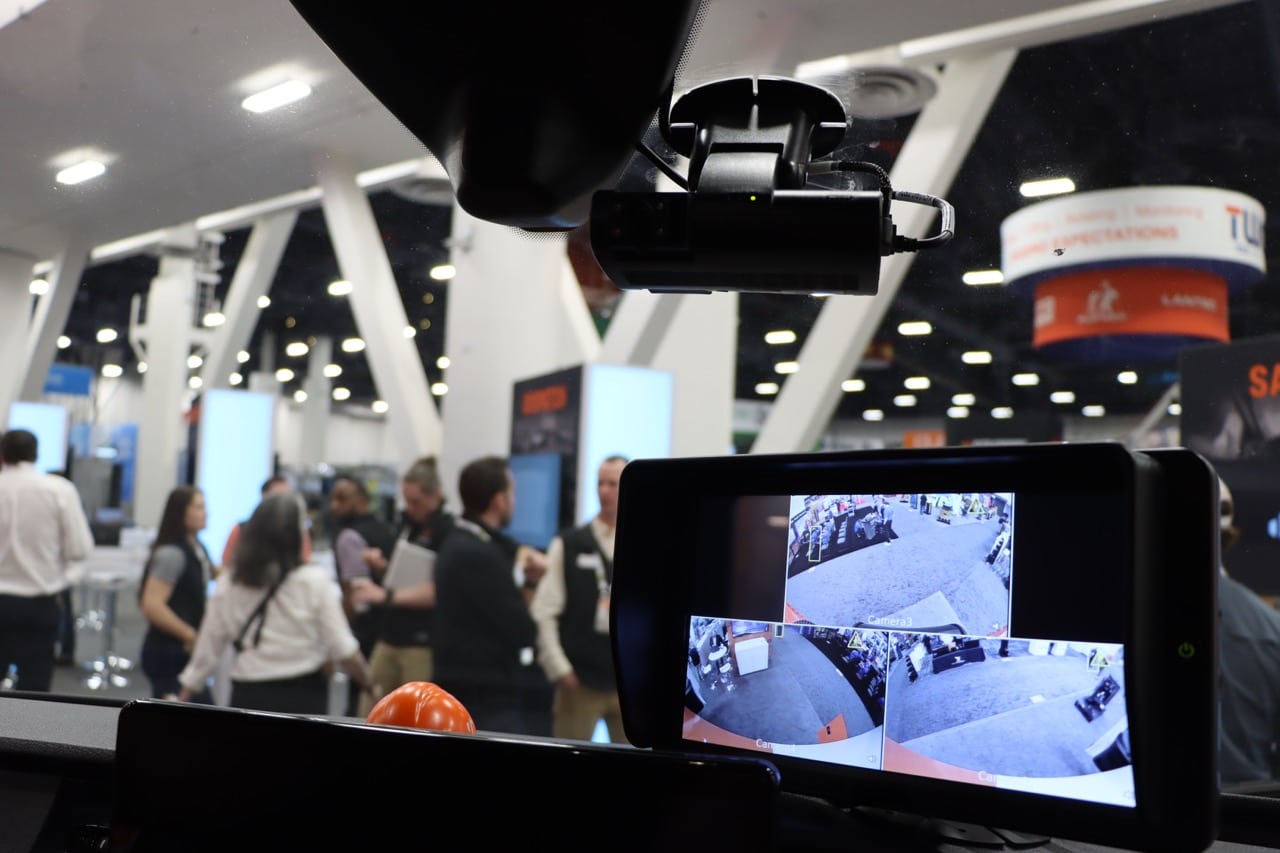
Many contractors asked about cameras for both heavy equipment and on-road fleets, often driven by insurance requirements or liability concerns. Tremendous positive feedback was shared in response to Tenna’s in-booth heavy equipment AI camera installation.
Contractors mentioned several common motivations:
- Reducing accident risk
- Improving operator and driver safety
- Addressing insurance pressures
- Increasing visibility into jobsite activity
Integration Matters More Than Ever
Contractors also emphasized the importance of integrating equipment data with the rest of their core business systems.
ERP platforms such as Vista, Spectrum, Sage, and QuickBooks came up frequently in conversations. Contractors want their centralized equipment data — such as utilization, maintenance costs, and inspections — to flow directly into their financial systems.
Similarly, many contractors rely on OEM telematics systems and want those data sources consolidated into a single platform for better visibility.
As construction companies continue digitizing their operations, integration has become a critical factor in technology decisions.
Many Contractors Are Still Early in Their Technology Journey
One surprising takeaway from the CONEXPO 2026 was how many contractors still rely on manual processes.
Several companies described still managing maintenance with paper logs, whiteboards, or spreadsheets. Others had no telematics system in place at all.
For these contractors, the goal is simply to start building visibility and standardizing processes across their fleet.
As equipment fleets grow larger and more distributed, the need for digital tools becomes increasingly clear.
Looking Ahead
The conversations at CONEXPO reinforced a clear trend across the construction industry: contractors are looking for better ways to manage equipment operations at scale.
Maintenance management, fleet visibility, dispatch coordination, safety technology, and financial transparency are all becoming essential components of modern equipment management.
While every contractor’s technology journey looks different, the direction is clear: greater visibility, better data, and more integrated operations.
For many construction businesses, the biggest challenge isn’t simply adopting new technology. It’s replacing a fragmented collection of tools with a solution that works together seamlessly.
That’s where a unified platform becomes critical.
Instead of stitching together telematics providers, maintenance tools, spreadsheets, and disconnected integrations, more contractors are moving toward a single system designed specifically for construction equipment operations.
Tenna was built to solve these challenges.
From equipment tracking and mixed fleet visibility to maintenance management, resource planning, safety cameras, inspections, and equipment cost tracking, Tenna brings these capabilities together in one platform built specifically for contractors.
Rather than acting as a hub of integrations between multiple vendors, Tenna provides a single, reliable platform and partner for managing equipment and fleet operations.
This unified approach gives contractors clearer visibility, better data accuracy, and simpler operations across their entire fleet.
See How Tenna Can Help
If any of these challenges sound familiar — whether it’s maintenance management, fleet visibility, dispatch coordination, safety technology, or equipment cost tracking — rest assured you’re not alone.
Contractors across the industry are facing the same operational hurdles. The good news is that these problems are solvable with the right technology in place, and hundreds of contractors are solving these challenges today with Tenna.
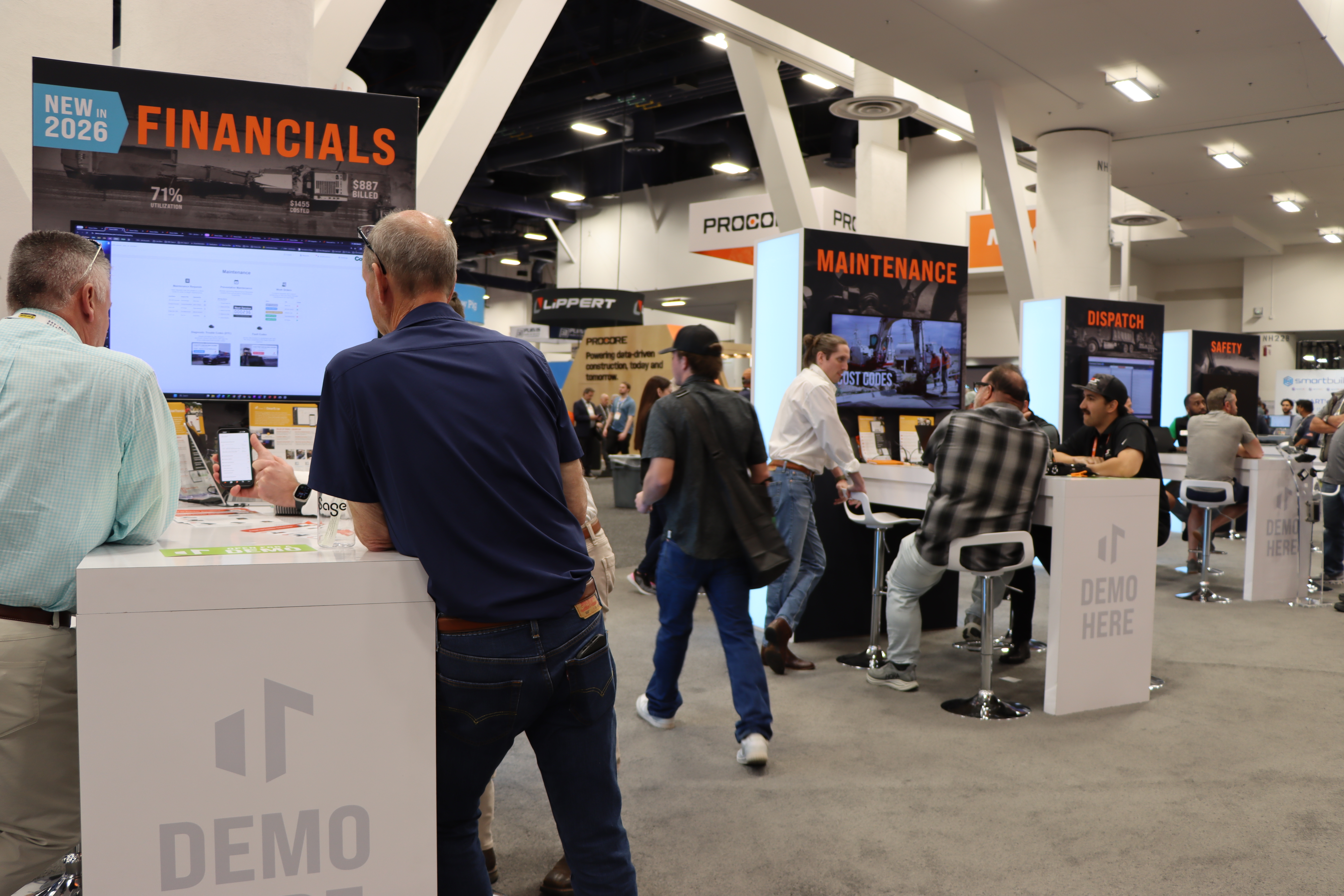
Schedule a demo with Tenna to see how a single equipment management platform can help you:
- Track your entire fleet in one place
- Digitize maintenance workflows
- Improve dispatch and resource planning
- Increase safety visibility with cameras and inspections
- Connect equipment data to job cost and financial systems