
AI dash cams reduce accidents in construction areas by combining real-time driver monitoring, 360-degree hazard detection, and in-cab alerts that help operators avoid incidents before they happen.
Construction risk doesn’t stop when a vehicle leaves the road, so unlike general fleet solutions, construction AI camera systems must account for blind spots, proximity hazards, and constantly changing jobsite conditions
So, how can AI dash cams reduce accidents in construction areas in real-world jobsite conditions? The answer lies in distinct—but complementary—applications:
- Fleet dash cams that improve driver behavior on roads and between jobsites
- Heavy equipment camera systems that prevent collisions and worker incidents on-site
- Paired telematics trackers that serve as additional machine performance detection data points (as well as safeguards for theft)
The combination of these technologies, as part of a larger equipment management platform, create a comprehensive safety system that addresses the full spectrum of construction risk. Read on to learn how.
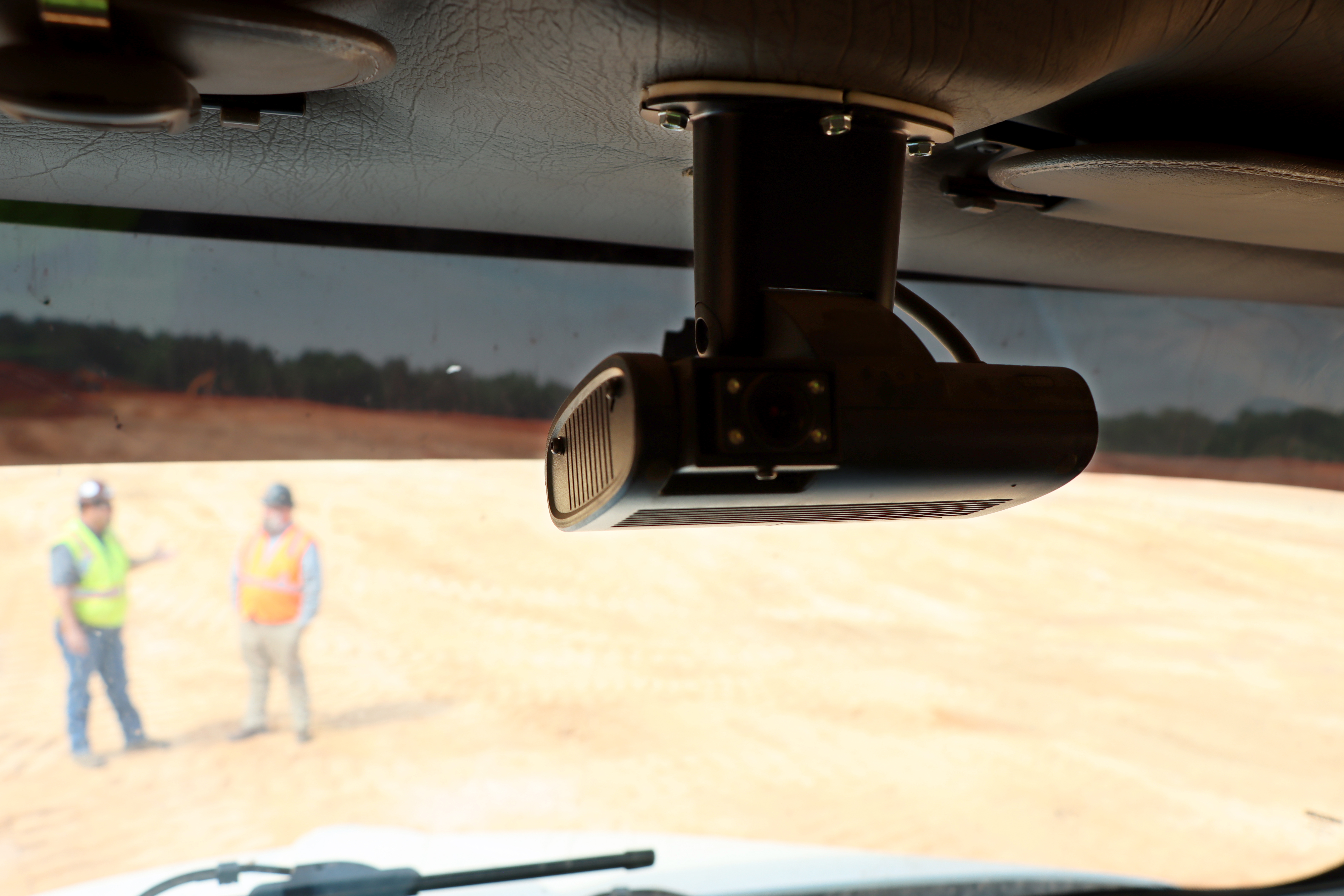
How Do Dash Cameras Keep Construction Areas Safe?
AI dash cams reduce construction site accidents through both behavioral correction and environmental awareness. Specifically, they:
- Deliver real-time alerts to stop unsafe actions immediately
- Detect fatigue and distraction
- Provide 360-degree visibility to eliminate blind spots around equipment
- Identify workers, vehicles, and hazards near machinery
- Enable data-driven coaching to improve long-term safety
The key difference in construction is this: Accident prevention isn’t just about driving—it’s about visibility and awareness around heavy equipment.
What Are AI Dash Cams and How Do They Work?
AI dash cams use computer vision to analyze video telematics in real time, detecting risks and triggering alerts. A normal camera records what happened. An AI camera is built to help prevent what is about to happen.
In construction, they typically fall into two categories:
1. Fleet AI Dash Cams (On-Road Safety)
Used in trucks and vehicles, these systems:
- Monitor driver behavior (e.g., distraction, fatigue, speeding)
- Provide real-time coaching alerts
- Capture footage for incident review
These are critical for:
- Traveling between jobsites or other work locations
- Highway and urban driving
- Reducing vehicle-related incidents
2. Heavy Equipment AI Camera Systems (Jobsite Safety)
These systems are purpose-built for construction equipment like excavators, loaders, and cranes. Unlike standard dash cams, they:
- Provide 360-degree visibility around machinery
- Detect workers and hazards in blind spots
- Deliver real-time in-cab alerts to operators
Key AI Features That Prevent Construction Site Accidents
Real-Time Alerts
AI systems provide immediate warnings when unsafe conditions are detected.
- ⚠️ Driver distracted? Alert triggered.
- ⚠️ Worker enters a blind spot? Operator notified.
- ⚠️ Equipment too close to hazard? Warning issued.
Effective systems are designed to avoid alert fatigue by delivering relevant, high-confidence warnings—ensuring operators take alerts seriously when they matter most. Construction accidents often happen in seconds—real-time alerts turn near misses into preventable events.
Fatigue and Distraction Detection
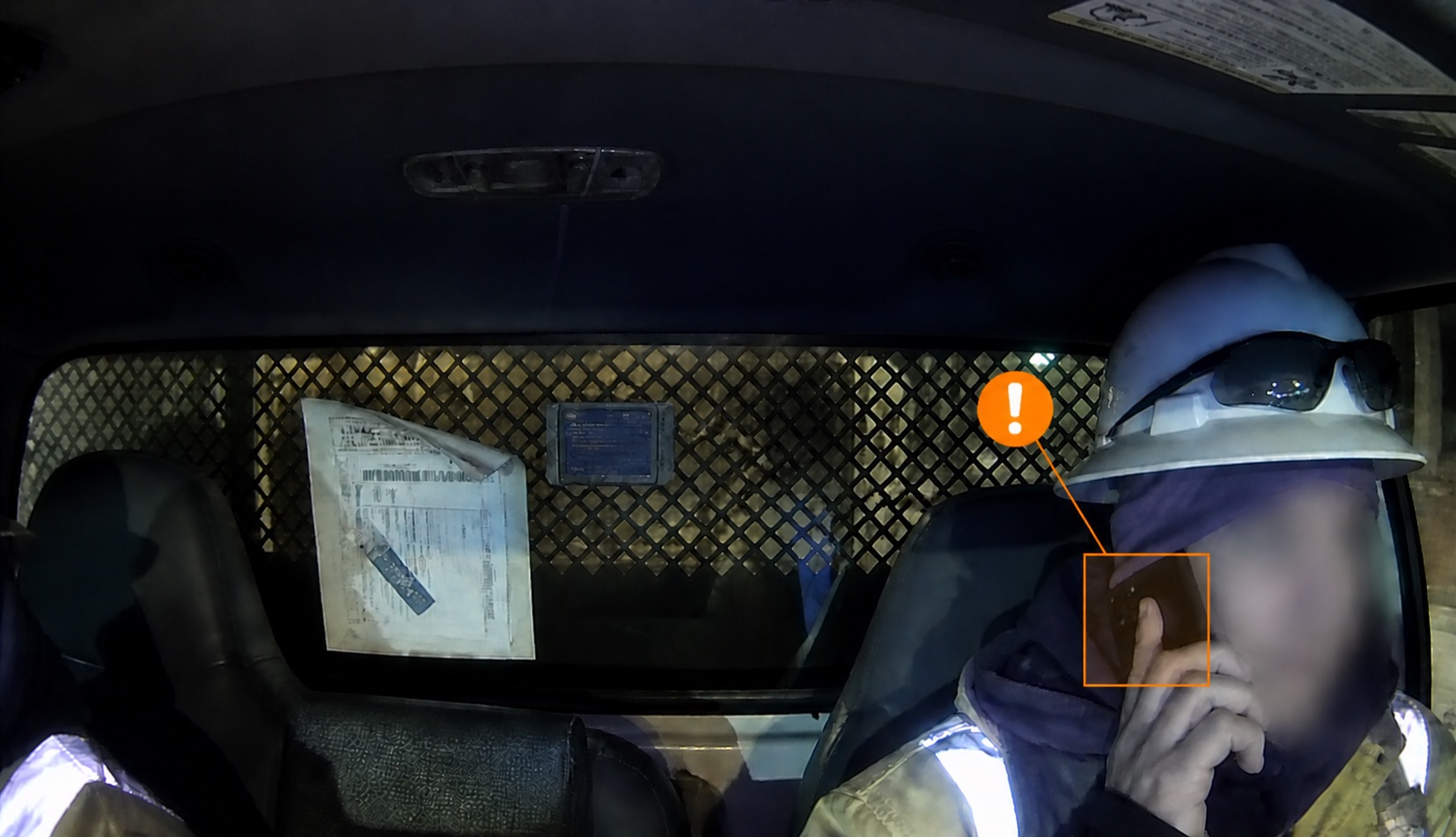
Fleet dash cams identify driving distractions, such as:
- Phone use
- Eyes off the road
- Signs of drowsiness
- Smoking
- And more
Fleet dash cams reduce accidents by addressing these distractions before they cause incidents.
360° Hazard Detection
This is where construction safety truly changes.
Heavy equipment camera systems:
- ✅ Eliminate blind spots
- ✅ Detect workers, vehicles, and obstacles
- ✅ Provide full situational awareness
Tenna’s system uses AI-powered 360-degree detection with in-cab alerts, helping operators respond instantly to changing jobsite conditions.
This is critical because:
- 75% of struck-by fatalities involve heavy equipment
- Most incidents occur due to limited visibility and proximity risks
Integrated Video + Telematics Data
The value of AI dash cams isn’t just footage—it’s context. Understanding equipment condition, inspection history, and operator behavior alongside video is what turns potential incidents into actionable insights. But AI dash cams don’t operate in isolation—they integrate with fleet and equipment data.
With systems like Tenna:
- ✅ Video is paired with vehicle and machine data (CAN bus)
- ✅ Managers can analyze operator behavior alongside equipment performance and utilization
- ✅ Safety insights become more actionable
This unified view helps contractors monitor both drivers and operators across a mixed fleet.
Behavior Tracking and Coaching
AI systems also track trends over time, enabling connected safety tools, such as:
This is where long-term accident reduction happens—not just prevention in the moment.
How AI Dash Cams Protect Heavy Equipment Operators
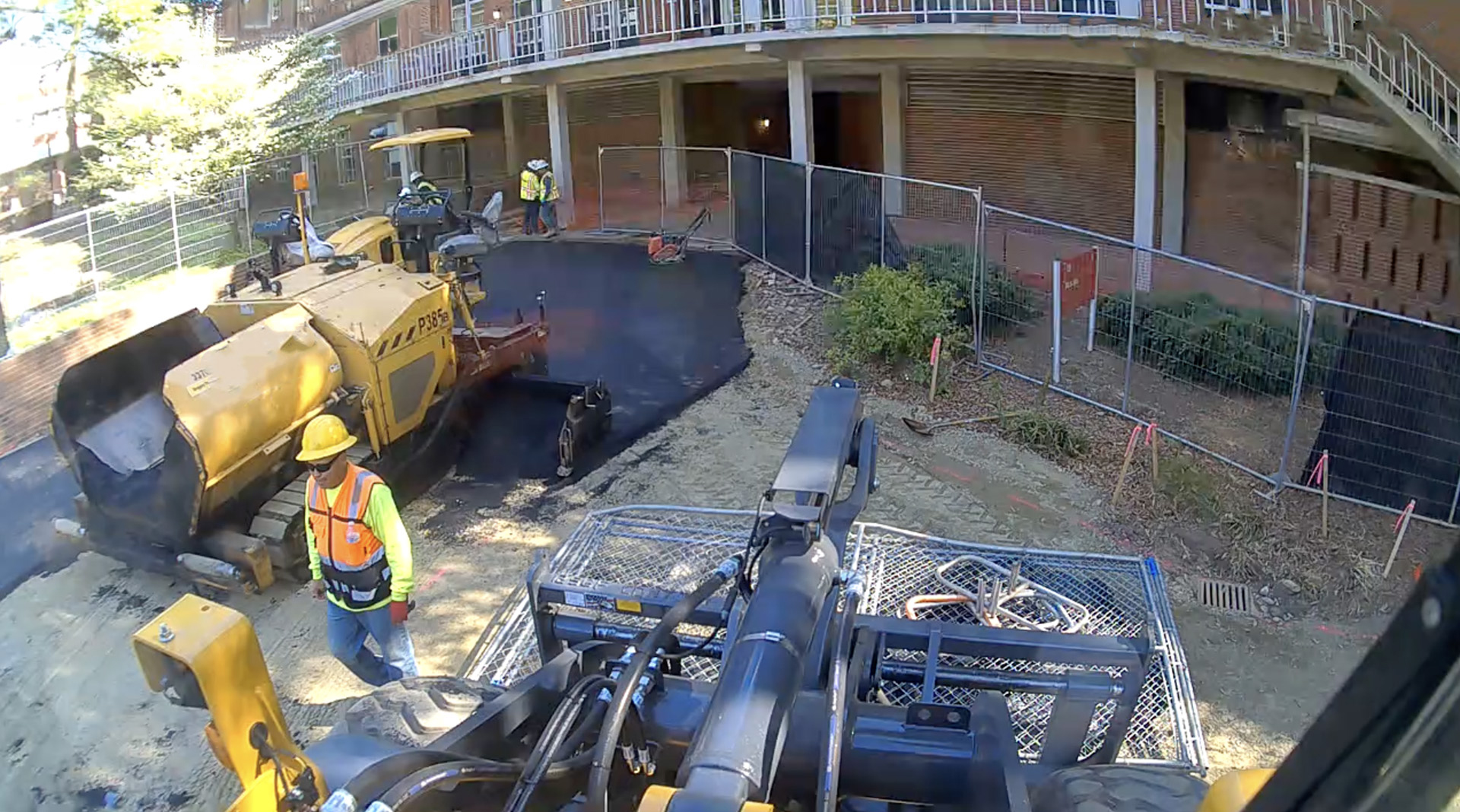
Heavy equipment introduces risks that fleet dash cams alone cannot solve. Operators deal with limited lines of sight, tight work zones, and constant movement (or movement around them). Heavy equipment camera systems address these risks directly with:
- Multi-camera setups for full machine visibility
- Live streaming and monitoring for safety managers
- Real-time hazard detection inside the cab
Tenna’s heavy equipment camera system provides:
- ✅ A 360-degree view around machinery
- ✅ Integration with equipment data systems
- ✅ AI alerts for nearby workers and hazards
This allows operators to avoid back-over incidents, maintain safe distances, and operate more confidently in congested areas.
Works Even in Low-Connectivity Jobsite Environments
Construction doesn’t always happen in areas with reliable connectivity. AI dash cams continue detecting hazards and alerting operators in real time—even when offline. Video is recorded locally and uploaded once connectivity is restored.
Reducing Liability and OSHA Recordable Incidents
Motor vehicle and equipment-related incidents can be OSHA recordable if they result in injury and are work-related. AI dash cams help reduce these incidents by preventing events from happening with real-time alerts, hazard detection, and improved visibility. But they can also help by improving documentation of incidents that do happen with video evidence that provides clear incident context, helps validate claims and reduce disputes, and supports compliance and reporting.
For contractors, this means:
- ✅ Lower incident rates
- ✅ Stronger safety documentation
- ✅ Reduced legal exposure

Insurance Benefits of AI Dash Cam Technology
Insurance providers increasingly view AI dash cams as a proactive risk mitigation tool. Benefits include:
- Lower premiums from reduced incidents
- Faster claims resolution with video evidence
- Improved underwriting profiles
Tenna’s data shows a 36% reduction in claims and a 29% reduction in collisions with dash cam-supported safety programs. For construction companies, this directly impacts the total cost of risk.
How to Measure ROI from AI Dash Cam Systems
Reducing accidents is one of the most immediate benefits of AI dash cams—but it’s only part of the return on investment. For construction companies, the true ROI comes from how these systems impact safety, operations, and financial performance across the entire fleet.
Contractors should evaluate ROI beyond incident reduction, including:
- Claims defended with video evidence: Access to clear, time-stamped footage helps validate events, reduce disputes, and protect against fraudulent or exaggerated claims.
- Downtime avoided: Preventing collisions and equipment-related incidents keeps machines operational and projects on schedule.
- Equipment damage reduced: Real-time alerts and improved visibility help minimize costly repairs caused by preventable contact or misuse.
- Training effectiveness improved: Video-based coaching allows managers to address specific behaviors with operators and drivers, leading to faster and more measurable safety improvements.
- Insurance positioning strengthened: Demonstrating a proactive safety program with AI video telematics can improve underwriting profiles and support more favorable insurance conversations.
- Compliance and inspection performance: When integrated with fleet management systems, AI dash cams provide visibility into whether inspections are completed, issues are addressed, and safety protocols are followed.
Ultimately, AI dash cams should not be evaluated as a standalone expense, but as part of a connected safety and operations strategy. When video, telematics, maintenance, and coaching tools work together, contractors gain a clearer picture of risk—and more control over how to reduce it.
Get Started with Tenna’s Construction AI Dash Cams
Construction safety requires more than a single tool. It requires a connected system.
Tenna provides:
- ✅ AI dash cams for fleet vehicles
- ✅ 360-degree AI camera systems for heavy equipment
- ✅ Integrated video + telematics platform, tied to maintenance, dispatch and more
This unified approach gives contractors:
- Full visibility across their operations
- Real-time safety insights
- A proactive way to reduce risk