Every major industry event offers a glimpse into how construction companies are evolving their operations. At this year’s CONEXPO, the Tenna team spoke with hundreds of contractors about the challenges they face managing equipment, on-road fleets, tools and field operations.
From small contractors managing a few dozen machines to organizations with thousands of assets, the conversations revealed several consistent themes.
Read on to learn about seven construction fleet management trends shaping how contractors are approaching technology today in order of frequency mentioned to our team at the show.

1. Equipment Maintenance is a Strategic Priority
Maintenance management was one of the most common topics contractors brought up.
Contractors realize that reactive maintenance and manual tracking methods simply don’t scale as fleets grow larger. Contractors we spoke to frequently mentioned challenges such as missed preventive maintenance, difficulty tracking service history, and limited visibility into repair costs.
As a result, more organizations are looking to standardize maintenance workflows and gain better insight into the health of their fleet.
2. Contractors Want to Consolidate Multiple Systems
Another recurring theme at the show was system consolidation.
Many contractors currently use several different platforms to manage their operations spectrum, including telematics providers, OEM data portals, maintenance tools, field management apps, camera systems, and accounting programs. This fragmented environment makes it difficult and time consuming to get a complete view of fleet operations and performance.
Contractors increasingly want a single system that can bring together tracking, maintenance, inspections, safety, compliance, operational data, and financial insights.
Reducing system complexity and improving visibility is driving many technology decisions.
3. Mixed Construction Fleets Require Better Visibility
Construction fleets rarely consist of a single equipment brand or asset type. Contractors operate a mix of heavy equipment, trucks, trailers, attachments, and smaller support assets. While OEM telematics provide valuable information for certain machines, they leave gaps when it comes to tracking the entire fleet.
Contractors expressed strong interest in solutions that allow them to see all of their assets in one place, regardless of manufacturer or asset class.
4. Equipment Data Is Becoming More Important for Job Costing
As margins tighten and running profitable jobs continues to be a complex challenge, contractors are paying closer attention to how equipment impacts their project costs.
Several conversations focused on equipment utilization, cost allocation, and billing equipment usage to specific jobsites. Contractors want better visibility into how equipment contributes to project performance on multiple levels.
Improving equipment cost transparency can help contractors make better decisions about utilization, maintenance, and fleet investments.
5. Construction Safety Technology Is Gaining Momentum
No surprise here — safety continues to be a top priority across the construction industry. Many contractors expressed interest in dash cameras and other technologies that can help improve visibility around equipment and vehicles and reduce accident risk.
Insurance pressure and increasing liability concerns are also driving this construction fleet management trend.
In many cases, safety technologies serve as a starting point for broader fleet management initiatives among more “greenfield” construction businesses just starting their digitization journeys. (More on that below.)
6. Integration With Business Systems Is Essential
Similar to the ability to integrate OEM telematics data into a central platform becoming a key requirement, as touched on earlier, contractors are increasingly focused on how equipment management systems connect with the rest of their technology stack.
Use of the major ERP platforms such as Vista, Spectrum, and Sage frequently came up in conversations. Contractors want equipment data to flow directly into accounting and job cost systems, eliminating manual entry and improving financial accuracy while saving precious time for personnel.
7. Many Contractors Are Still Digitizing Core Processes
Despite the rapid growth of construction technology, many contractors are still early in their digital transformation journey.
Several contractors described still managing equipment maintenance and inspections using spreadsheets, whiteboards, or paper logs. Others had no centralized tracking system in place yet. For these contractors, the first step is simply gaining visibility into their fleet and establishing consistent processes.
As technology adoption continues to accelerate across the industry, these foundational tools will play a critical role in improving operational efficiency.
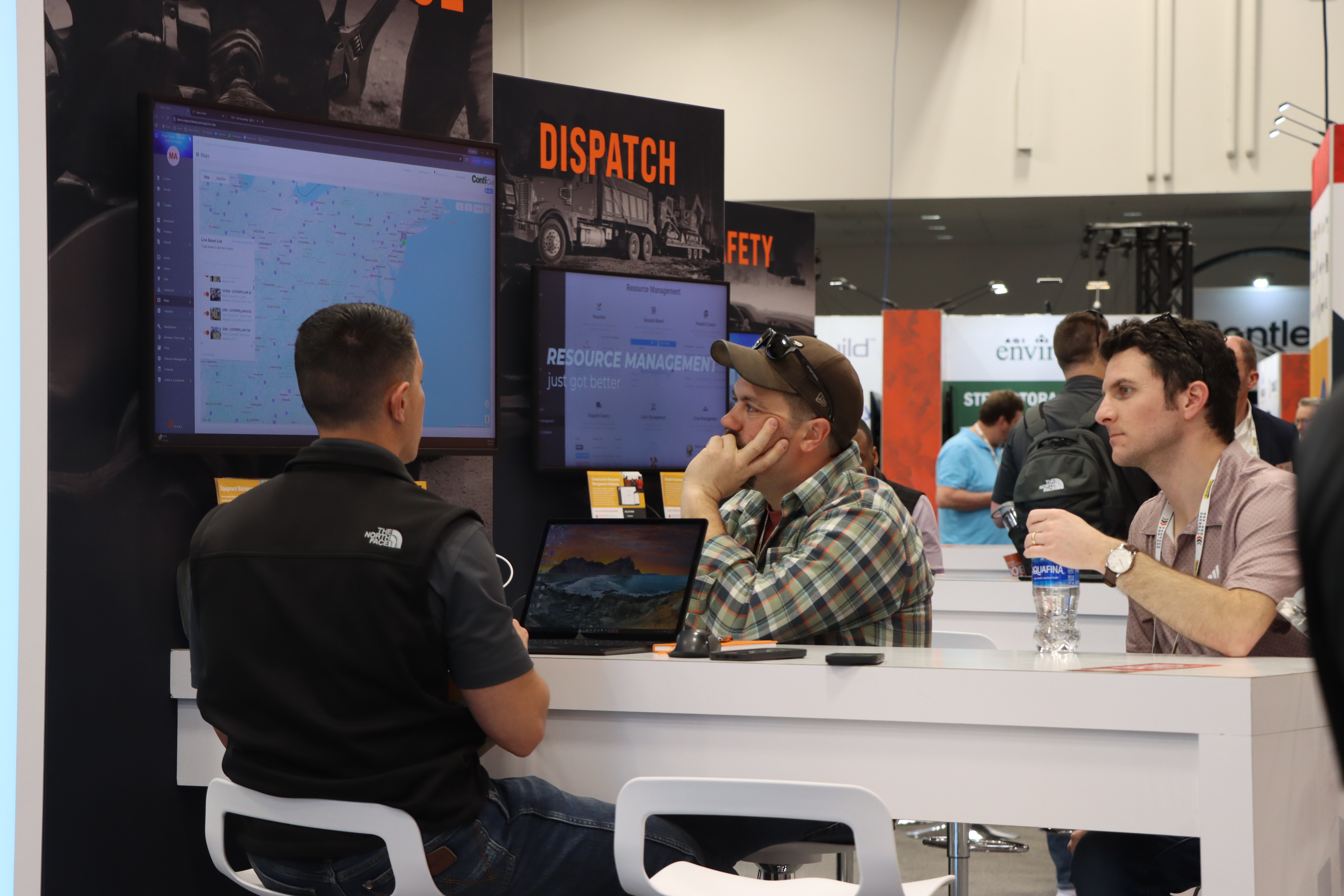
What These Construction Fleet Management Trends Mean for the Industry
The conversations at CONEXPO highlight a clear shift in how contractors think about equipment management. Equipment is no longer viewed simply as a collection of machines. It is increasingly seen as a critical data source for operational performance.
Contractors are looking for better ways to connect equipment data with maintenance, safety, utilization, and financial systems. As a result, equipment management platforms like Tenna that operate as a central hub for fleet operations are essential for meeting the demands of the market.
For contractors navigating these changes, the goal is simple: better visibility, better decisions, and more efficient operations across the entire fleet.